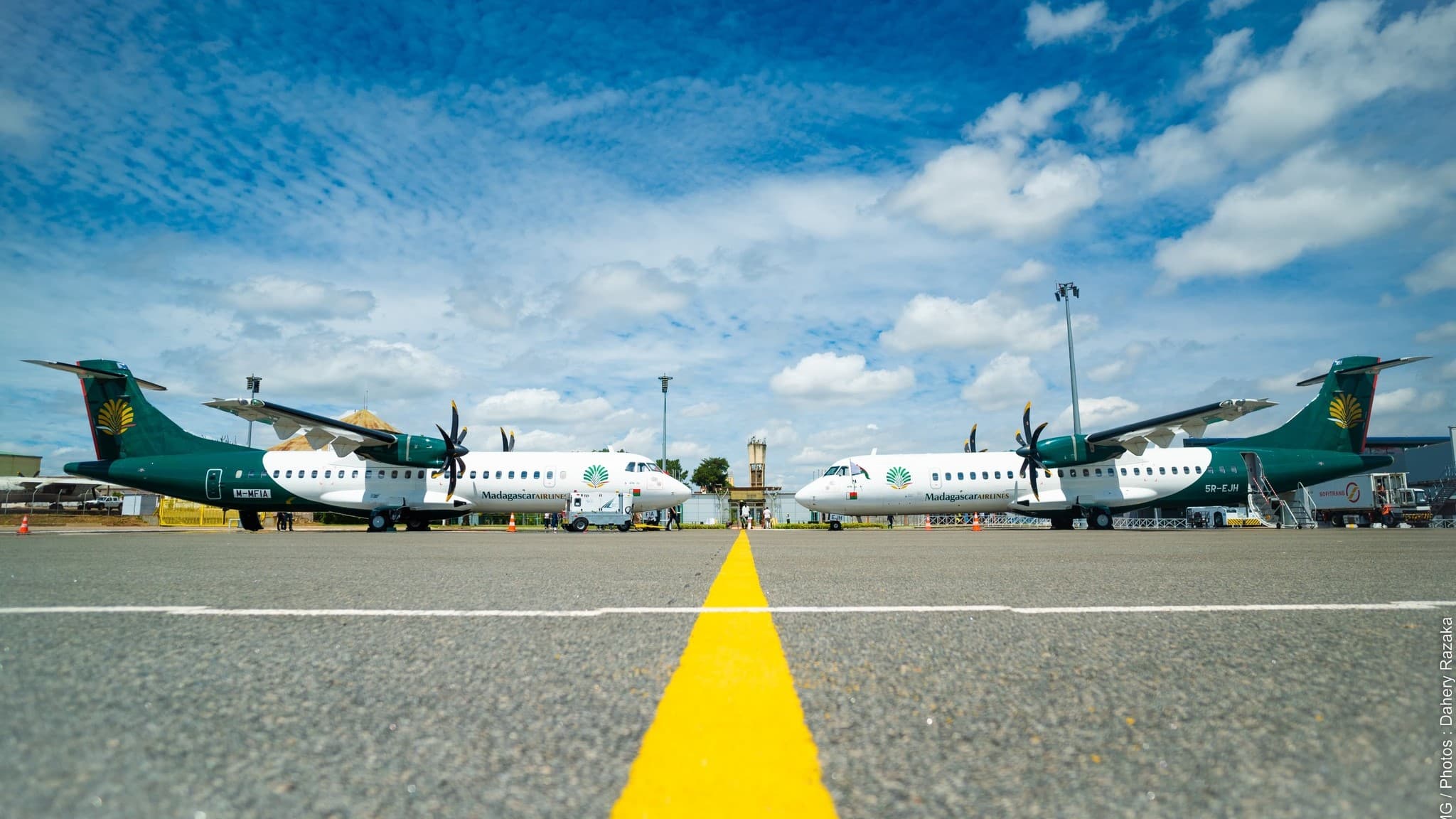
Madagascar Airlines has resumed flights between Madagascar and the Comoros, a route that had been suspended since 2022 due to the pandemic and political tensions. The new service, operated twice weekly on Thursdays and Sundays, connects Antananarivo to Moroni via Mahajanga, using an ATR 72-500. This move is seen as a diplomatic gesture and a response to pent-up demand from passengers who previously had to transit through hubs like Addis Ababa or Nairobi, adding time and cost to their journeys.
The resumption is not just about convenience; it carries significant economic and social weight. For the Comorian authorities, the direct link facilitates trade, family visits, and academic exchanges between the two island nations. The private carrier Royal Air is also launching a complementary route between Moroni and Mahajanga, further boosting connectivity. This regional focus is a strategic step for Madagascar Airlines, which was established in 2021 to replace the defunct Air Madagascar.
Beyond the region, the airline is setting its sights on long-haul destinations. Management has confirmed plans to reopen a direct route between Mahajanga and Marseille, targeting the large Malagasy and Comorian diaspora in southern France. Additionally, a return to Guangzhou (Canton), China, is under study as part of a broader network expansion. However, these ambitions hinge on the availability of long-haul aircraft. Madagascar Airlines does not own wide-body jets and has historically relied on wet-leased aircraft, such as a Boeing 787-8 from Ethiopian Airlines and an Airbus A330-200 from Air Belgium, to serve European routes.
The success of the Comoros relaunch will serve as a litmus test for the airline's operational readiness and market appeal. If it proves viable, it could pave the way for the Marseille and Guangzhou services, subject to regulatory approvals and fleet capacity. For aviation students, this case illustrates the complexities of airline network planning, the role of wet leasing in emerging markets, and the interplay between political relations and air connectivity.