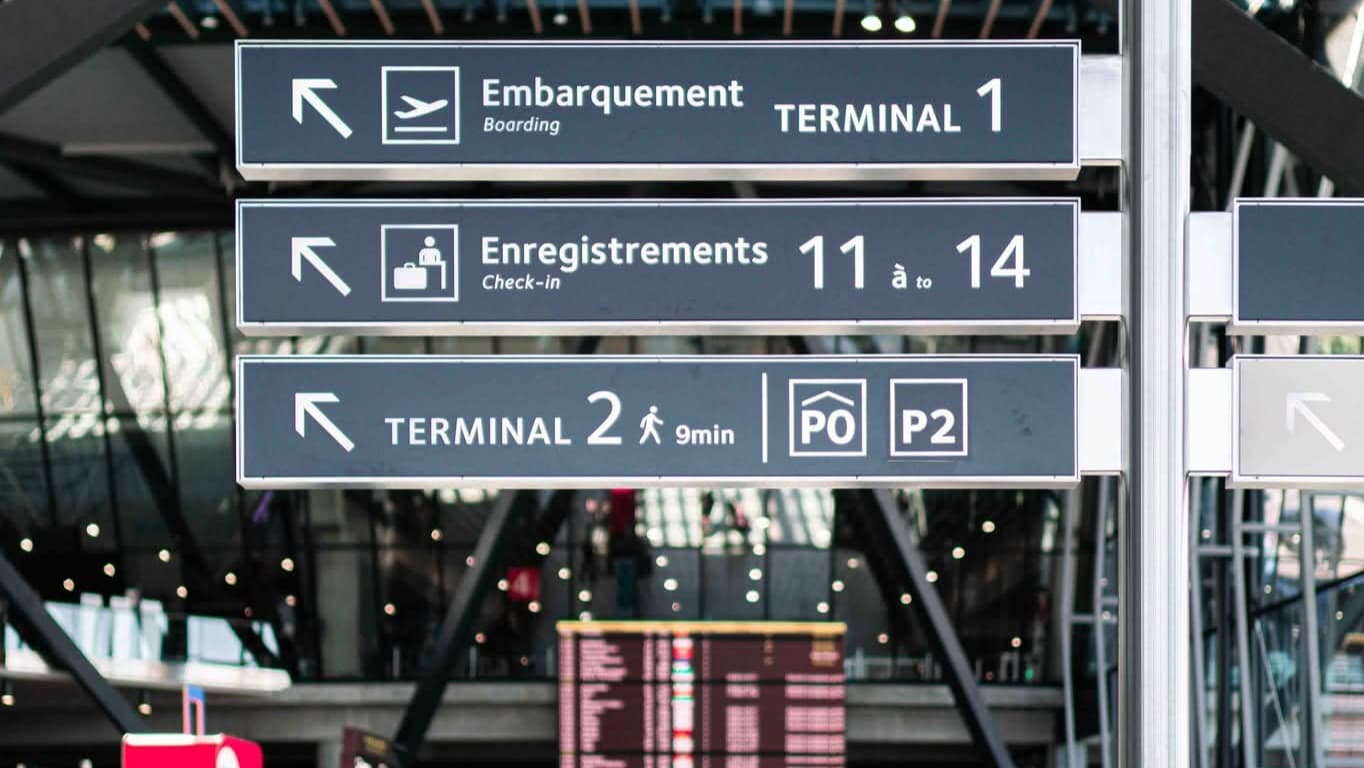
Lyon-Saint Exupéry Airport has unveiled an ambitious summer 2026 programme, featuring 140 direct destinations and seven new routes. Among the most notable additions is Addis Ababa, operated by Ethiopian Airlines three times weekly on an Airbus A350-900, with a stop in Geneva. This long-haul connection marks a significant step in Lyon's connectivity to Africa, a market often underserved by French regional airports. Other new destinations include Izmir and Catania (Transavia), Mykonos, Tivat, Alghero, and Keflavik, catering to both leisure and business travellers.
For ATPL and ATC students, this expansion offers a real-world case study in network planning and seasonal capacity management. The mix of short-haul leisure routes (Mykonos, Catania) and long-haul strategic links (Addis Ababa) demonstrates how airlines and airports balance demand with operational constraints. Understanding such dynamics is crucial for future pilots and controllers who will manage diverse traffic flows, from high-frequency summer charters to intercontinental connections requiring precise slot coordination.
Beyond route growth, Lyon Aéroport is investing heavily in passenger experience. The ZenLine service allows travellers to reserve a security checkpoint slot at Terminal 1, from 7 days to 4 hours before departure. This digital tool aims to reduce wait times and smooth peak-hour congestion—a challenge familiar to ATC professionals managing airport capacity. Additionally, the airport is transforming its terminals into leisure spaces with a digital gallery, a climbing wall, and a gourmet pop-up, reflecting VINCI Airports' strategy of making airports destinations in themselves.
The environmental angle is also noteworthy: Lyon-Saint Exupéry achieved net-zero emissions one year ahead of its 2026 target, reinforcing the industry's push toward sustainability. For ATPL students, this highlights the growing importance of environmental reporting and fuel-efficient operations, while ATC trainees can observe how green initiatives influence airport infrastructure and traffic management.
In summary, Lyon's summer 2026 plan is more than a route announcement—it is a blueprint for modern regional airport management. Pilots and controllers who understand these operational, commercial, and environmental layers will be better equipped to navigate the evolving aviation landscape.