**Lufthansa's Fleet Modernization: A Boost for Aviation Training**
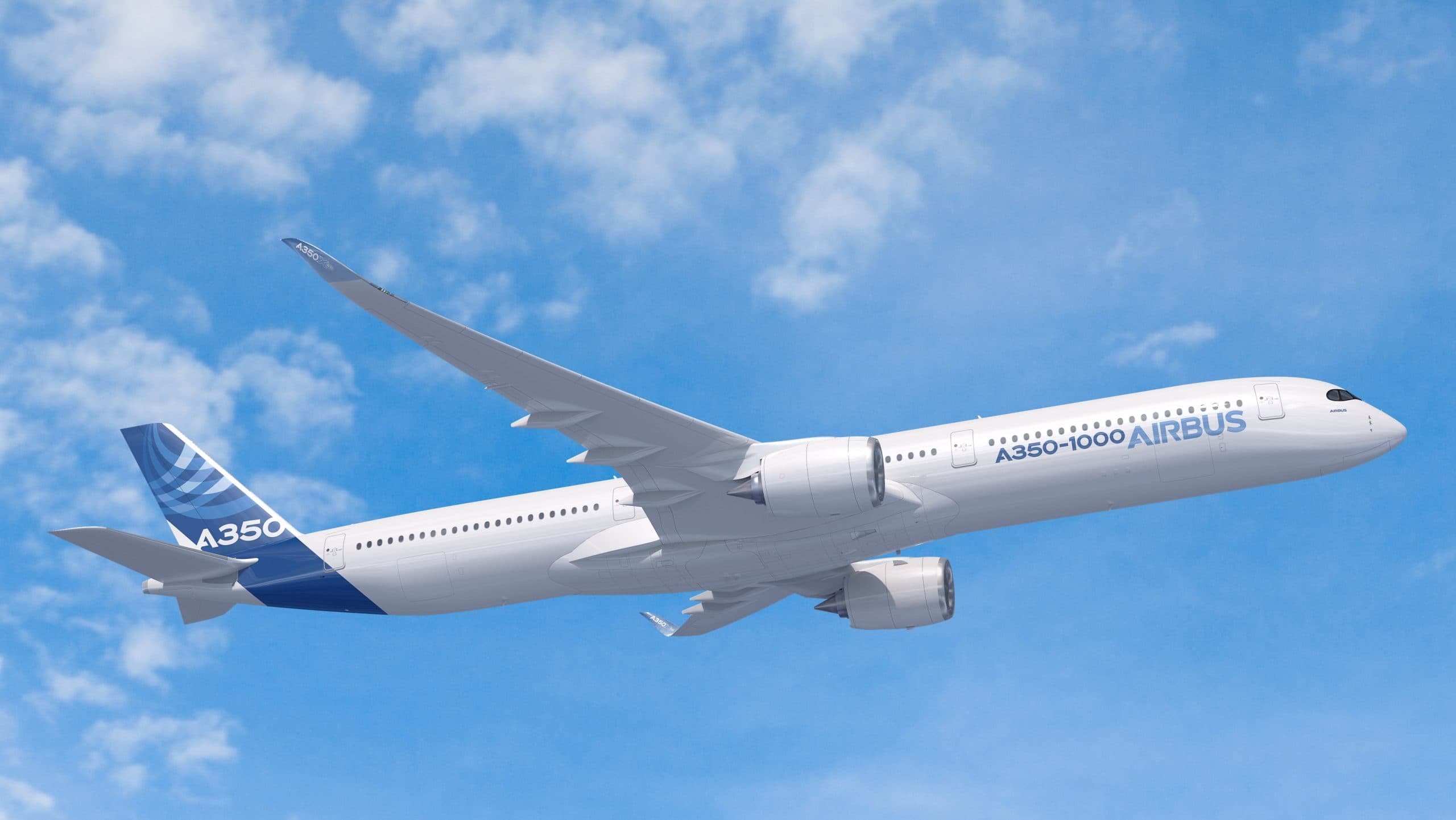
On May 11, the supervisory board of Deutsche Lufthansa AG approved the acquisition of 20 new-generation long-haul aircraft: ten Airbus A350-900 and ten Boeing 787-9 Dreamliners, valued at $7.7 billion at list price. Deliveries are scheduled between 2032 and 2034 as part of the German airline group's extensive fleet modernization program. CEO Carsten Spohr emphasized that this investment underscores a commitment to a modern fleet, premium quality, and reduced CO2 emissions, noting that the latest technology aircraft are the most powerful tool for more climate-friendly aviation.
**Why This Matters for ATPL and ATC Students**
For aspiring airline transport pilots and air traffic controllers, this order signals long-term industry trends. The A350-900 and 787-9 represent the pinnacle of current long-haul efficiency, with composite structures (50% of airframe weight) and advanced engines that cut fuel burn by 20-25% compared to older models like the Boeing 767 or four-engine jets. The A350-900, powered by Rolls-Royce Trent XWB engines, offers a range of up to 15,000 km (over 18 hours of flight), while the 787-9 reaches 14,140 km with GE or Rolls-Royce powerplants. Noise footprints are reduced by 40% (A350) and 60% (787) versus predecessors.
**Operational and Training Implications**
The group's strategy of fleet standardization—across Lufthansa, Swiss, Austrian Airlines, Brussels Airlines, and Discover Airlines—will reduce operational complexity, lower maintenance costs, and create synergies in crew training (cockpit and cabin) and spare parts management. For ATPL students, this means that type ratings for the A350 and 787 will remain in high demand for years to come, as Lufthansa's total order book now stands at 232 next-generation aircraft, including 107 long-haul units. ATC trainees should note that these aircraft's advanced avionics and performance characteristics (e.g., steep approach capabilities, reduced noise profiles) may influence airport procedures and airspace management.
**A Historic Order Book**
This latest order adds to previous commitments: 40 long-haul aircraft in 2019 ($12 billion), 10 additional units in 2021, and 22 next-gen jets in 2023 ($7.5 billion). The group's fleet renewal is the largest in its history, ensuring that future pilots and controllers will work with state-of-the-art equipment well into the 2030s.