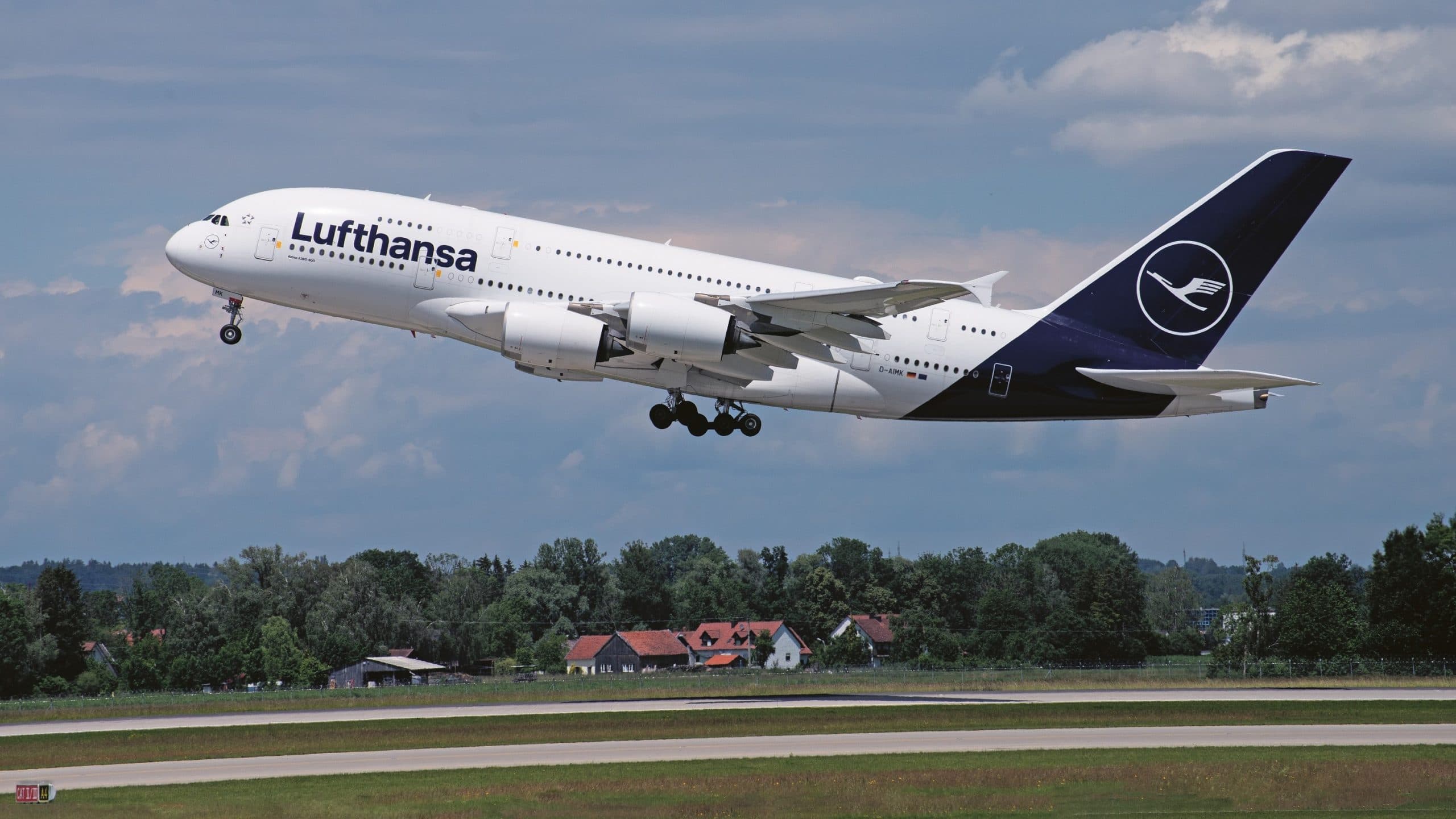
Lufthansa Group has reported a narrower operating loss for the first quarter of 2026, despite significant headwinds from the ongoing Middle East crisis and a sharp rise in kerosene prices. The European aviation giant posted an adjusted EBIT loss of €612 million for the January-to-March period, a 15% improvement compared to the €722 million loss recorded in the same quarter of 2025. Revenue rose 8% to €8.75 billion, driven by strong demand on Asian and African routes. The net loss also improved, coming in at €665 million versus €885 million a year earlier.
However, the group's CEO Carsten Spohr struck a cautious tone, warning that the geopolitical turmoil in the Middle East, combined with soaring fuel costs and operational constraints, represents a "tremendous challenge" for the entire aviation industry. Lufthansa now expects an additional fuel cost of €1.7 billion for the full year 2026, pushing its total kerosene bill to nearly €8.9 billion. While the company's hedging strategy provides some short-term protection, management cautioned that reduced fuel availability later in the year could pose a further risk.
Interestingly, the crisis is also reshaping traffic flows. Lufthansa noted that travelers are increasingly avoiding Gulf region airports in favor of its own hubs in Frankfurt, Munich, Zurich, Vienna, and Brussels. This shift is benefiting the group's long-haul networks on Europe-Asia and Europe-Africa routes, partially offsetting the negative impact of higher fuel costs. The group carried 25.1 million passengers in Q1, up from 23.8 million a year earlier, with all subsidiaries including Swiss, Austrian Airlines, Eurowings, and ITA Airways contributing.
Performance varied widely across the group's airlines. Swiss was the only carrier to post a positive adjusted EBIT of €39 million, while Lufthansa's core brand recorded a loss of €443 million. ITA Airways, now 41% owned by Lufthansa, saw its adjusted EBIT swing to a loss of €112.2 million, largely due to negative currency effects on lease liabilities. In contrast, Lufthansa Cargo and Lufthansa Technik remained profitable, with adjusted EBIT of €83 million and €196 million respectively, providing a stable earnings buffer.
To cope with the cost pressures, Lufthansa has announced a series of capacity cuts and organizational changes. The group is closing its regional subsidiary Lufthansa CityLine, removing 27 aircraft from service, and reducing short- and medium-haul flights by approximately 20,000. These measures are part of a broader cost discipline program aimed at absorbing the fuel cost shock while continuing fleet renewal investments to improve fuel efficiency and reduce emissions.