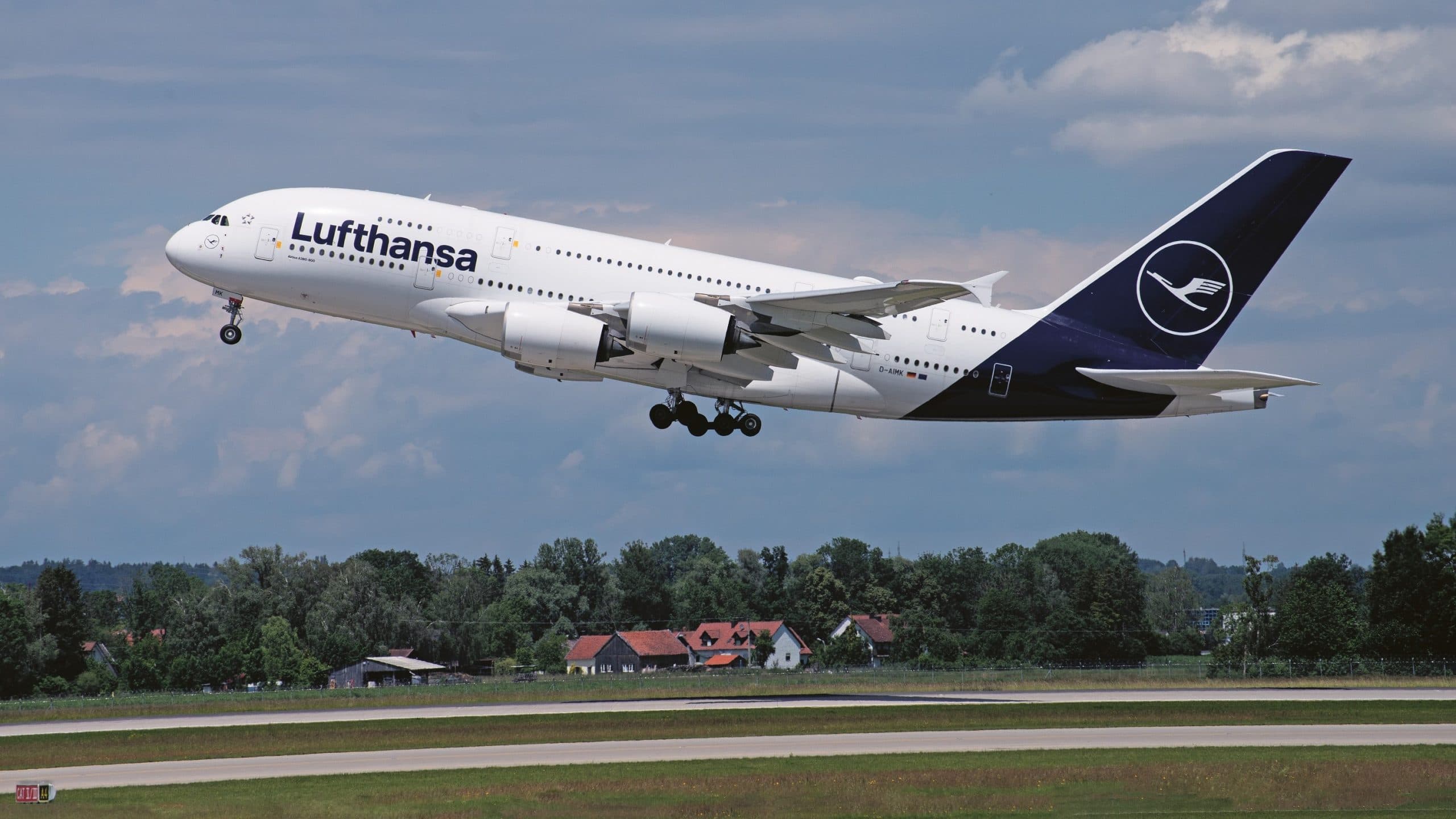
Lufthansa has introduced a new stopover program at its Munich hub, enabling passengers from Singapore and several US cities to transform a simple layover into a city break lasting from 24 hours to seven days. The option is integrated directly into the online booking process, allowing travelers to add a stopover at Munich on eligible routes, either outbound or inbound, with a duration of their choice. This initiative is part of Lufthansa's strategy to enhance the appeal of Munich as its second intercontinental hub, competing with other European carriers that already offer similar stopover products.
The stopover can be added during the initial booking on lufthansa.com, where a dedicated button appears for eligible itineraries. Passengers can specify the number of nights and whether the stopover is on the outbound or return leg. In some cases, the option can also be added later through customer service when reissuing a ticket. While the flight segment is the core, Lufthansa partners with local providers to offer hotels, car rentals, and activities 24 hours after booking, though these are not included in the airfare and are charged separately by third parties.
Munich was chosen as the launch hub due to its strategic importance in Lufthansa's long-haul network, particularly for routes to Asia and North America. Heiko Reitz, Hub Manager Munich, stated that the program turns a layover into added value for customers, allowing them to experience one of Europe's most attractive cities. Initially, the stopover is available on flights from Singapore and multiple US airports, targeting both leisure and business travelers in economy and premium classes.
Lufthansa plans to expand the stopover program to other regions and hubs, including Frankfurt and possibly SWISS and Brussels Airlines platforms, over the coming year. This move aligns with a broader industry trend where stopovers are used as a differentiation tool to enhance customer experience and drive hub traffic.
For ATPL and ATC students, this development illustrates how airlines design products to optimize hub utilization and revenue. Understanding stopover programs is relevant for flight planning, as they affect passenger itineraries, aircraft turnaround times, and airport resource allocation. It also highlights the competitive dynamics in the European long-haul market, where hubs like Munich compete with Frankfurt, Paris, and London for connecting traffic.