**Lufthansa Group's 'Matrix Next Level': A Major European Network Overhaul and Its Impact on Aviation Training**
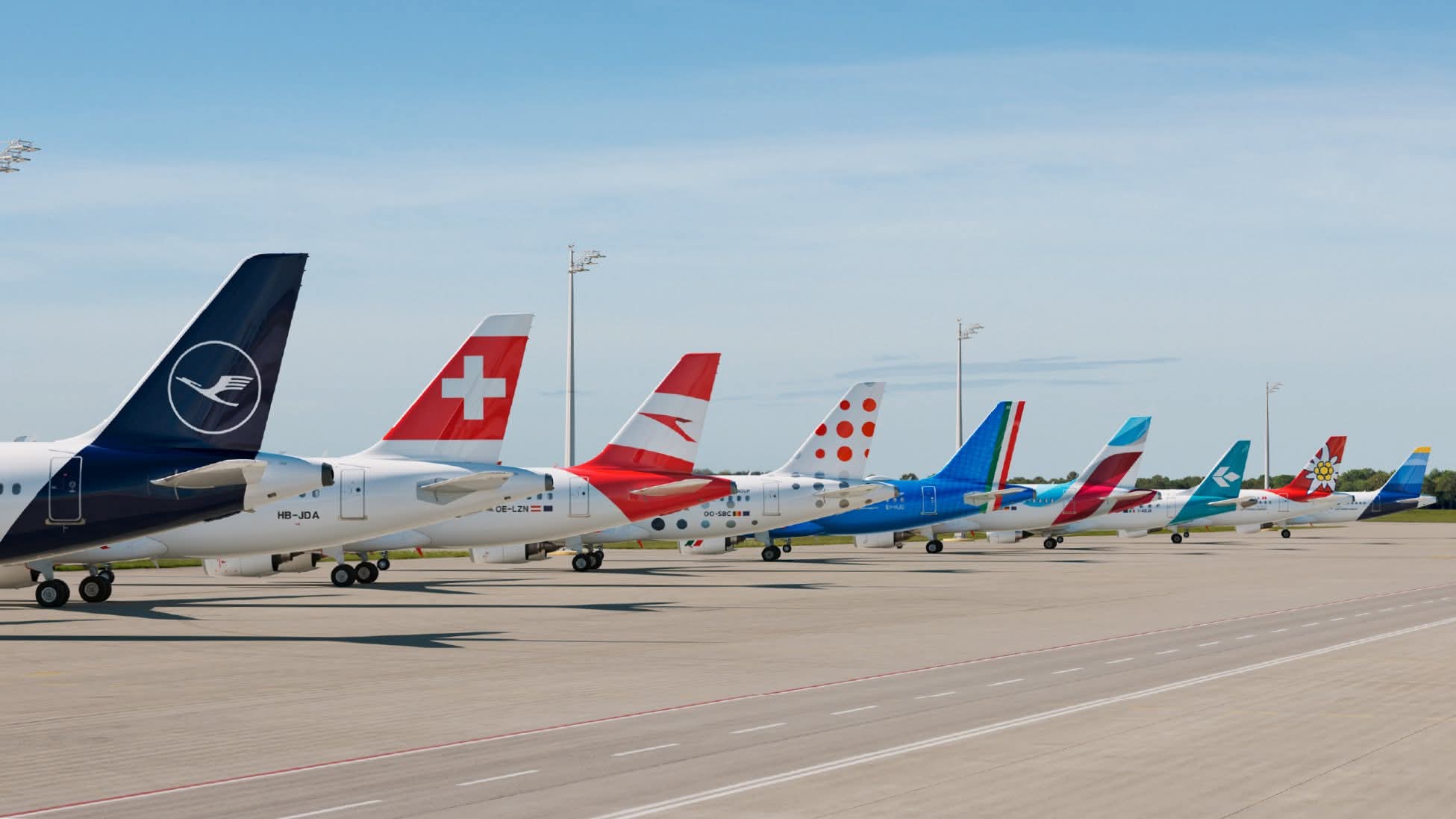
Lufthansa Group has initiated a profound restructuring of its European network, marking the end of its regional subsidiary Lufthansa CityLine and the cancellation of approximately 20,000 short-haul flights from its summer 2026 schedule. This move, driven by soaring fuel prices and a need for greater efficiency, is part of the internal project 'Matrix Next Level,' linked to the broader 'Target Operating Model 2026' (TOM26). The group is shifting from a decentralized 'Group of Airlines' model to an integrated 'Airline Group,' centralizing strategic decisions on network planning, sales, and loyalty programs at its Frankfurt headquarters. This includes the creation of a 'Hub Steering Board' coordinating the six major hubs: Frankfurt, Munich, Zurich, Vienna, Brussels, and Rome.
**Why This Matters for ATPL and ATC Students**
For aspiring pilots and air traffic controllers, this restructuring is a real-world case study in airline economics and network management. Understanding why Lufthansa is cutting unprofitable routes—and how it reallocates capacity to profitable long-haul services—is directly relevant to ATPL syllabus topics like airline management, route planning, and fuel efficiency. ATC students will see how hub consolidation affects traffic flows, slot coordination, and airspace demand, particularly at major European hubs. The elimination of 20,000 flights also highlights the volatility of short-haul operations, a key consideration for career planning in regional aviation.
**Operational and Training Implications**
The closure of Lufthansa CityLine, a major regional operator, reduces opportunities for new pilots to gain experience on short-haul routes, potentially shifting training pathways toward direct entry into mainline carriers or low-cost operators. The centralization of network planning means that future pilots and controllers must be adaptable to rapidly changing route structures and hub operations. Additionally, the group's focus on fuel savings—over 40,000 tonnes estimated—underscores the growing importance of fuel management in ATPL training, including performance calculations and cost-index flying.
**Broader Industry Context**
This restructuring is not isolated; it reflects a wider trend in European aviation toward consolidation and hub concentration. For students, it illustrates the tension between operational efficiency and maintaining regional connectivity, a topic often debated in aviation policy modules. The involvement of McKinsey & Co. in designing 'Matrix Next Level' also highlights the role of management consulting in airline strategy, a potential career path for those interested in aviation business.
**Conclusion**
Lufthansa Group's 'Matrix Next Level' is a landmark event that ATPL and ATC students should study closely. It demonstrates how airlines adapt to economic pressures, the strategic importance of hubs, and the evolving job market for aviation professionals. By understanding these dynamics, students can better prepare for a career in an industry that is constantly reshaping its network and operations.