**Industry Context: Why Flexibility Matters Now More Than Ever**
Lufthansa Group’s decision to roll back its stricter refund policies on long-haul flights is a significant move in the current aviation landscape. The group, which includes carriers like Lufthansa, SWISS, Austrian Airlines, Brussels Airlines, ITA Airways, Discover Airlines, and Air Dolomiti, had tightened conditions in early April, only to reverse course less than two months later. This shift reflects a broader industry trend: airlines are prioritizing flexibility to counteract the dampening effect of geopolitical tensions—particularly the Middle East conflict—on long-haul travel demand. For ATPL and ATC students, understanding such commercial strategies is crucial, as they directly impact flight planning, load factors, and operational decisions.
**What Changed and Why**
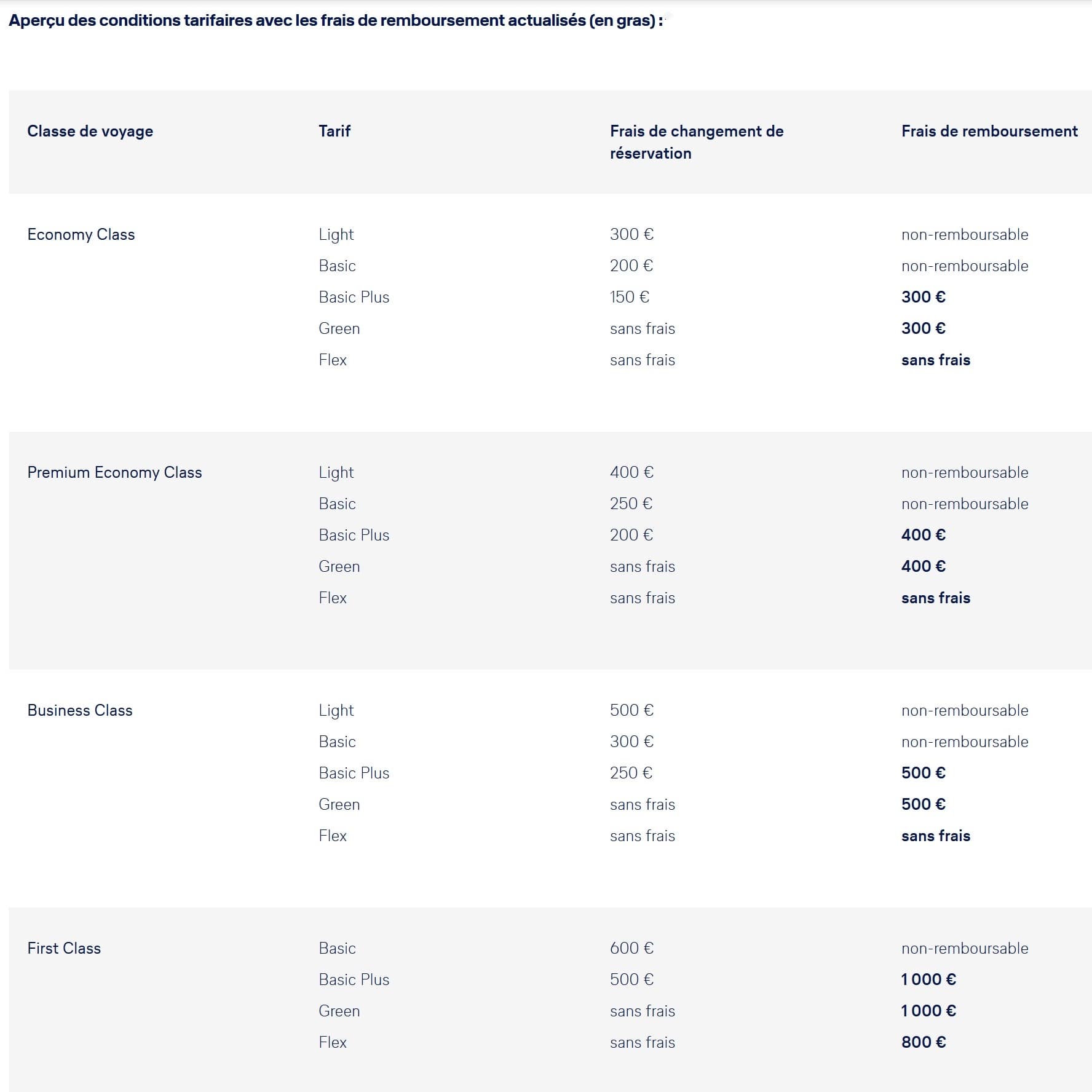
Effective from early June, Flex tickets in Economy, Premium Economy, and Business class on many intercontinental routes are once again fully refundable without fees. First Class retains some refund charges, but these have been significantly reduced compared to the spring schedule. Additionally, cancellation fees on Basic Plus and Green fares have been lowered on key routes linking Europe to Asia-Pacific, southern Africa, and the Indian Ocean. Notably, routes to China, Japan, Singapore, Malaysia, and Australia are excluded from these adjustments. Lufthansa Group stated it listened to customer and travel agency feedback, aiming to restore trust and support demand amid an uncertain geopolitical climate.
**MyATPS Angle: What This Means for ATPL and ATC Students**
For future pilots and air traffic controllers, this news underscores how external factors—like geopolitical events—can rapidly alter airline commercial policies, affecting everything from route profitability to crew scheduling. ATPL students should note that flexible fare structures influence passenger behavior, which in turn impacts load factors and revenue management—key topics in airline economics modules. ATC trainees, meanwhile, may see shifts in traffic patterns as airlines adjust frequencies or destinations based on demand. Understanding these dynamics helps aviation professionals anticipate operational changes and adapt to a volatile industry.
**Broader Industry Trends**
Lufthansa Group is not alone in this approach. Air France-KLM and its low-cost subsidiary Transavia recently introduced flexible modification and refund policies for tickets purchased between June 3 and 17, 2026, across all fare classes. Similarly, Air Caraïbes and French bee have implemented comparable measures on leisure routes to the Caribbean, Indian Ocean, and the Americas. This collective push for flexibility echoes post-COVID recovery strategies, where airlines used lenient policies to encourage bookings. The current geopolitical uncertainty has revived this tactic, raising questions about whether these policies will persist once stability returns.
**Conclusion**
Lufthansa Group’s policy reversal is a case study in how airlines balance customer needs with economic realities. For aviation students, it highlights the importance of flexibility—not just in fares, but in thinking about how external shocks shape the industry. As future professionals, staying informed about such commercial decisions will be key to navigating a career in aviation.