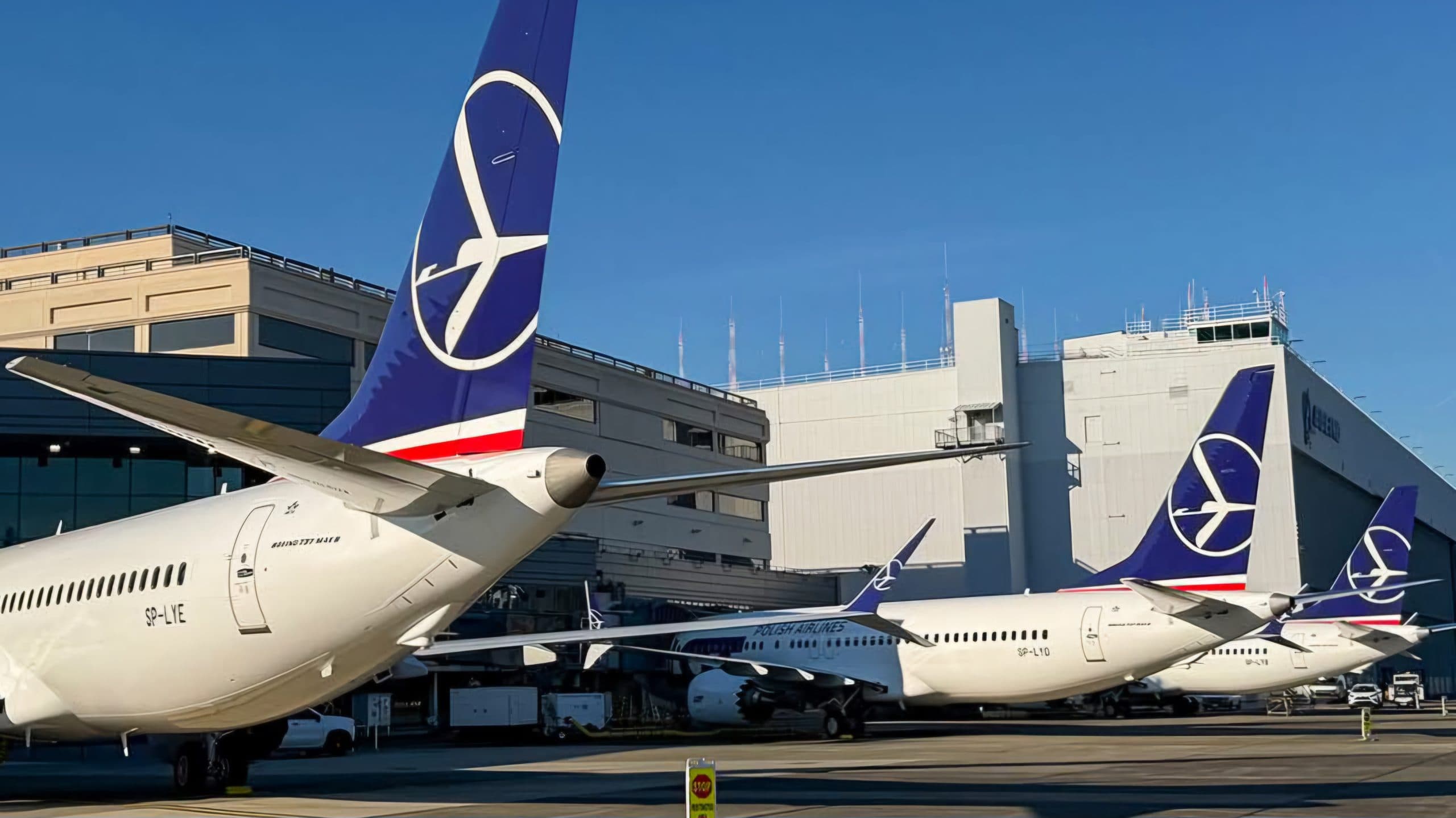
**A Historic Court Battle**
LOT Polish Airlines has opened a landmark civil trial against Boeing in a Seattle federal court, seeking at least $250 million in damages related to the global grounding of the 737 MAX-8 following two fatal crashes in 2018 and 2019. This is the first time an airline has taken Boeing to a jury trial over the MAX grounding, as most other carriers have settled out of court. The trial, which began this week, is expected to run through the end of May unless a last-minute settlement is reached.
**The Core Allegations: Deception and Training Shortcuts**
LOT alleges that Boeing concealed critical safety flaws in the 737 MAX-8, particularly regarding the Maneuvering Characteristics Augmentation System (MCAS), which was implicated in both crashes. The Polish carrier claims Boeing provided incomplete or misleading information about the flight control system when LOT was planning its fleet renewal. A key point of contention is pilot training: Boeing promised that transitioning to the 737 MAX would require only a short computer-based course, avoiding the costly full-flight simulator training needed for a switch to the Airbus A320. LOT argues this promise was central to its decision to lease 15 MAX aircraft, and that Boeing's lack of transparency left the airline exposed when the fleet was grounded.
**Financial Fallout and Industry Implications**
LOT details significant financial losses from cancelled flights, passenger refunds, aircraft storage costs, network reorganisation, and the expense of leasing replacement aircraft. The $250 million claim could set a precedent for other airlines still nursing losses from the grounding. Boeing, which has already paid billions to crash victims' families and settled with many airlines, contests the fraud allegations, pointing out that LOT continues to operate 25 MAX aircraft today. The outcome of this trial will be closely watched by the aviation industry, as it may reshape how airlines negotiate guarantees and training requirements for new aircraft programs.
**What This Means for ATPL and ATC Students**
This case underscores the critical importance of understanding aircraft systems deeply, especially automation and flight control laws. For ATPL students, it highlights how certification shortcuts and inadequate training can have catastrophic consequences. ATC students should note how fleet groundings disrupt airspace planning and airline schedules. The trial also reinforces the need for rigorous regulatory oversight and transparent communication between manufacturers, airlines, and training organisations.