**A New Bridge Across the Caribbean**
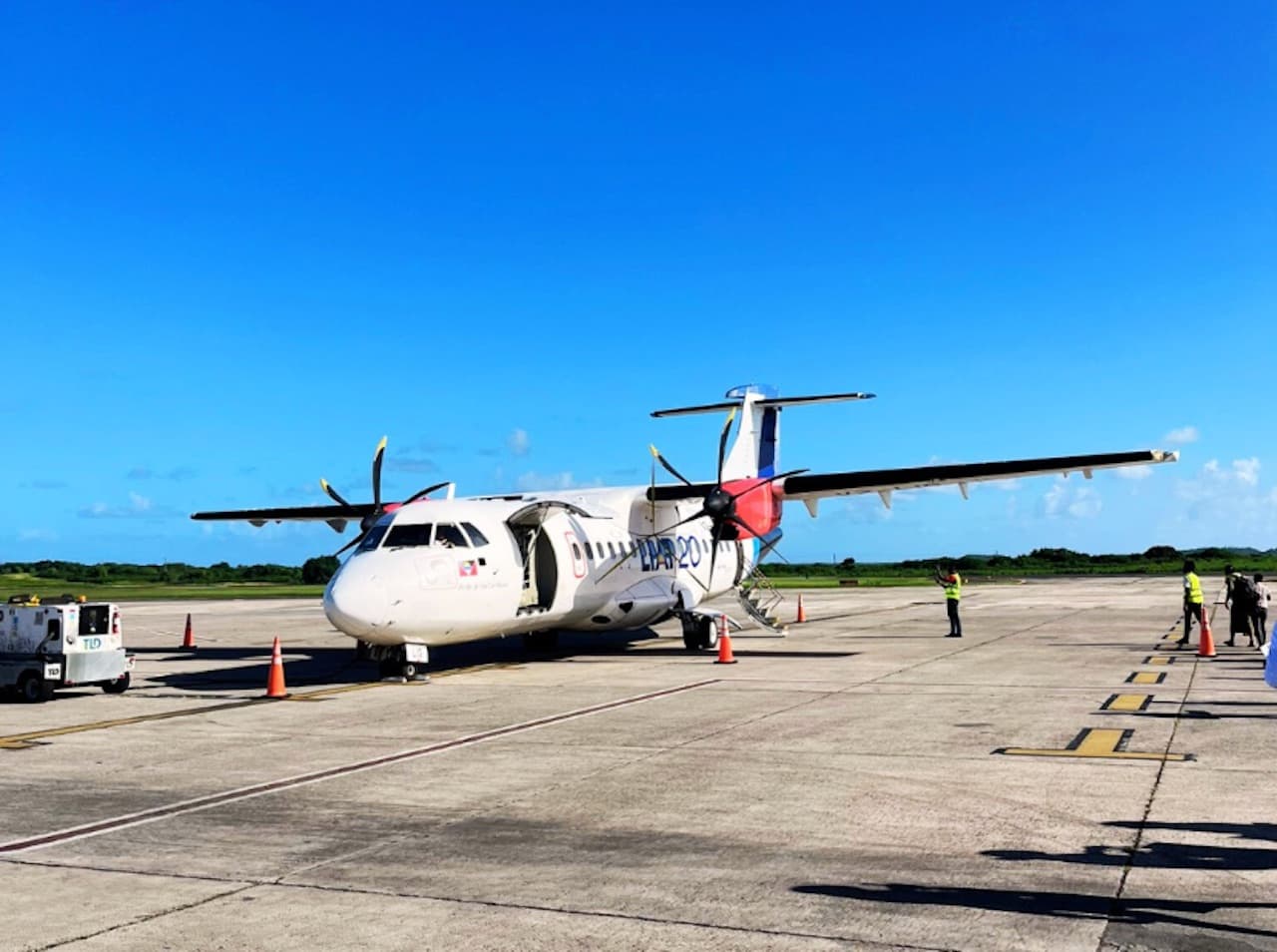
LIAT (2020) Limited, the Antigua-based carrier, and Air Caraïbes have signed an interline agreement that will allow passengers to combine regional Caribbean flights with transatlantic services to Paris-Orly on a single ticket. Starting June 1, 2026, travelers will be able to book itineraries that seamlessly connect LIAT's intra-Caribbean network with Air Caraïbes' long-haul flights, with baggage checked through to the final destination. This partnership is a strategic move to enhance connectivity across the linguistically diverse Caribbean, linking English, French, and Dutch-speaking territories to European markets.
**Operational Details and Benefits**
From an operational standpoint, the interline agreement offers several key advantages. Passengers will enjoy a single point of purchase, through travel agencies or global distribution systems (GDS), eliminating the need to manage separate bookings. Baggage will be tagged to the final destination, reducing the hassle of reclaiming and rechecking luggage during connections. The main connection points are Air Caraïbes' hubs at Pointe-à-Pitre (Guadeloupe) and Fort-de-France (Martinique), which serve as gateways to Paris-Orly. For ATPL and ATC students, this arrangement illustrates the importance of interline baggage handling procedures, hub coordination, and the role of GDS in modern airline operations.
**Strategic Context and Regional Impact**
LIAT 2020 is rebuilding its network after the collapse of the original LIAT (1974) Ltd. Supported by the government of Antigua and Barbuda, the airline resumed commercial operations in summer 2024 with a fleet of ATR and Embraer ERJ aircraft, serving destinations like Barbados, Saint Lucia, and Jamaica. This interline agreement provides a direct link to the European outbound market, which is crucial for Caribbean tourism. Air Caraïbes, meanwhile, has been expanding its partnerships, including a codeshare with Caribbean Airlines, to strengthen its regional network. For students, this case study demonstrates how smaller carriers use interline and codeshare agreements to extend their reach without adding aircraft or routes.
**What This Means for ATPL and ATC Students**
This agreement is a practical example of interline operations, a topic covered in ATPL syllabus under airline management and operational procedures. ATC students can analyze the coordination required between different airspaces and airports to ensure smooth connections. Understanding such partnerships is essential for future pilots and controllers who will work in an increasingly interconnected aviation ecosystem.