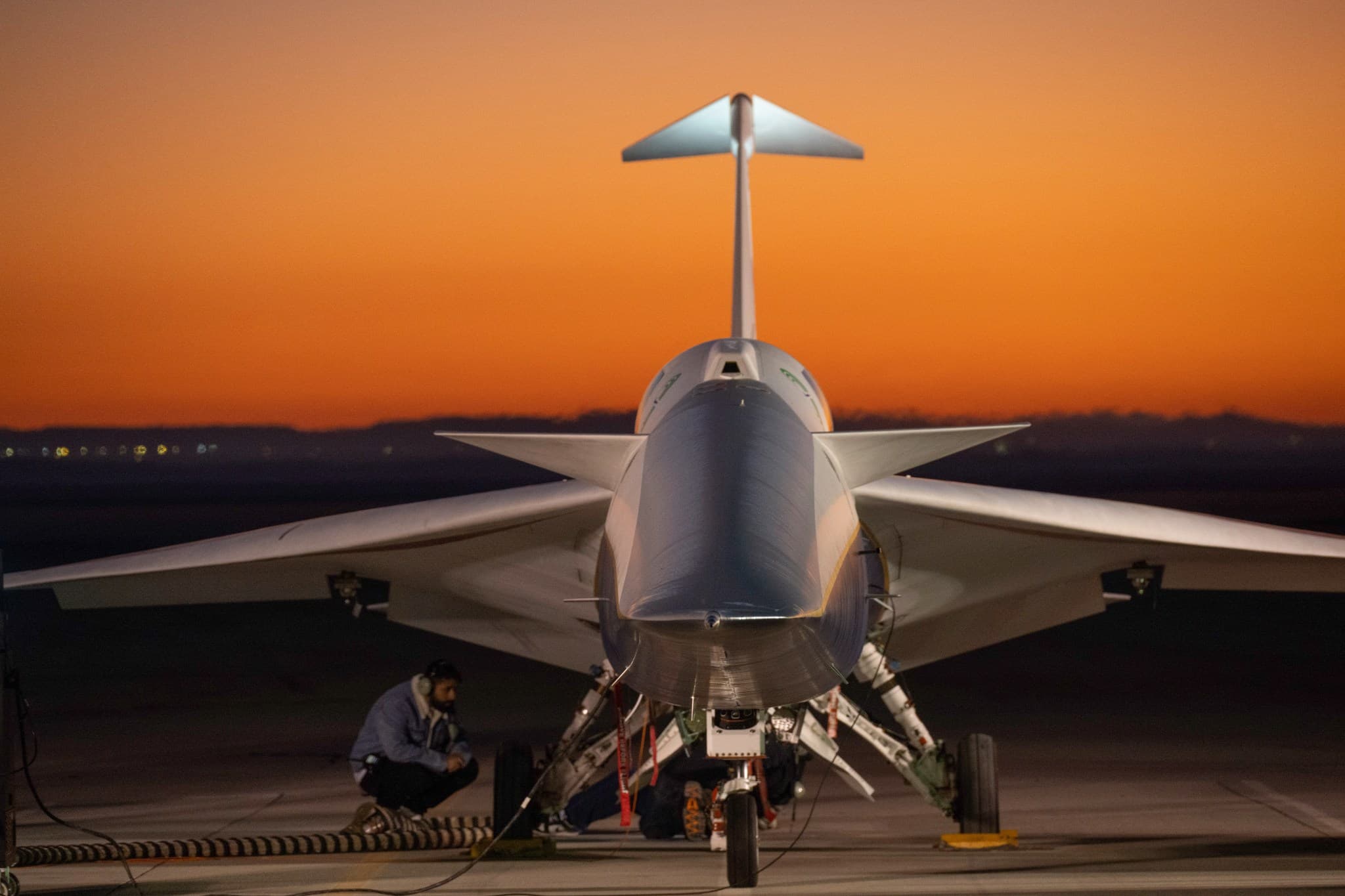
The X-59, NASA's experimental supersonic aircraft, is preparing for its second flight, an important step in validating its safety and performance. The NASA team conducted engine operation tests on March 12 at the Armstrong Flight Research Center in California. NASA test pilot Jim 'Clue' Less will be at the controls of the X-59 for this second flight.
The X-59 is designed to fly faster than the speed of sound while reducing the noise of the sonic boom. The primary objective of this second flight is to validate the aircraft's performance and safety, as well as begin expanding its flight envelope. The NASA team will conduct tests to evaluate the aircraft's performance at increasing speeds and altitudes.
The X-59 is the flagship of NASA's Quesst mission, which aims to introduce a new era of commercial supersonic flight over land. The aircraft is designed to fly at speeds above Mach 1.4, or approximately 925 mph, while reducing the sonic boom to a mere 'thud'.
The coming months will be crucial for the X-59 program, as the NASA team plans to take the aircraft to increasingly higher speeds and altitudes. The results of these tests will be essential in validating the aircraft's performance and safety, as well as demonstrating its ability to fly quietly.
The X-59 is a unique experimental aircraft that could revolutionize the aviation industry. Its innovative design and cutting-edge technologies could pave the way for new types of supersonic aircraft that are quieter and more efficient. Aviation students can closely follow the X-59's progress and learn valuable lessons about the design and development of innovative aircraft.
Finally, the X-59 is a concrete example of the importance of research and development in the aviation industry. Aviation students can draw valuable lessons from this project, particularly regarding the design, testing, and validation of an experimental aircraft's performance.