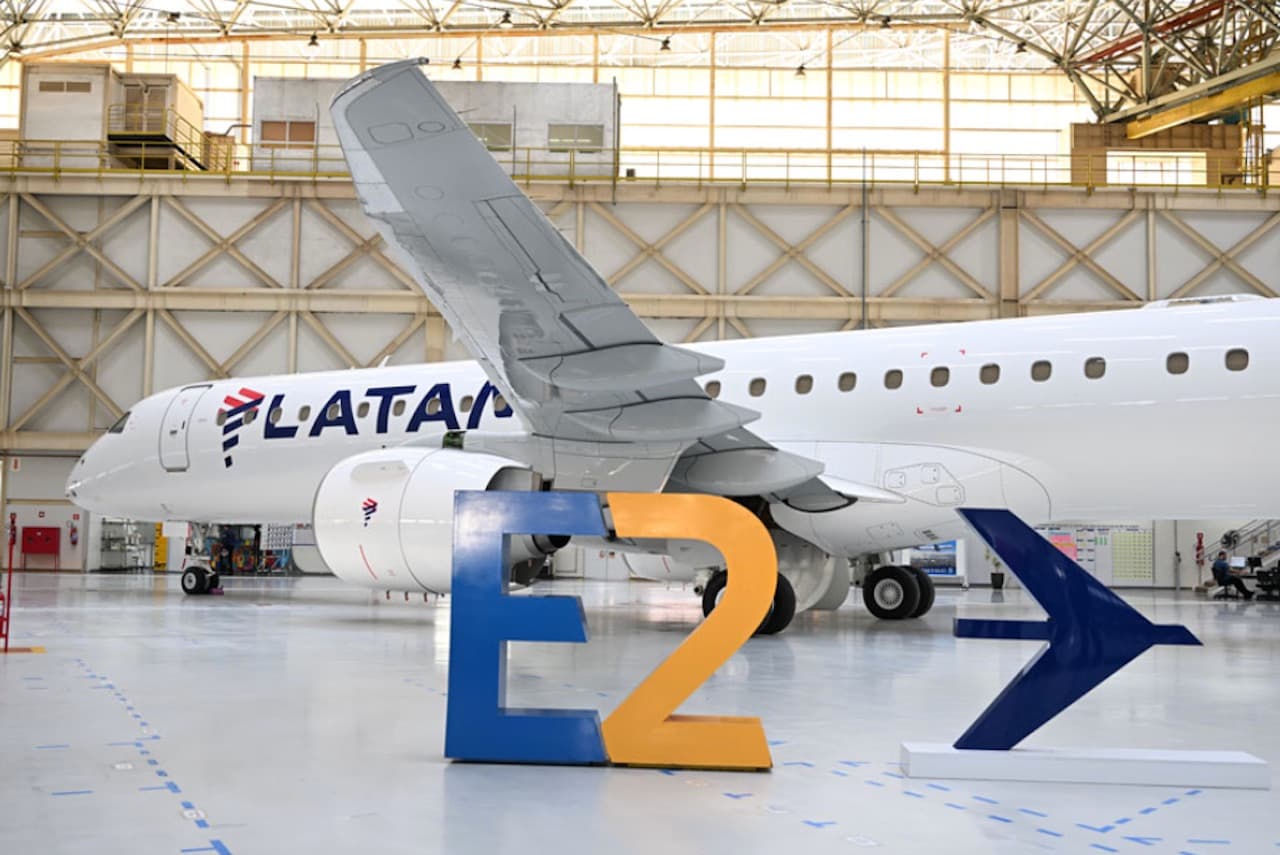
LATAM Airlines Brasil has officially unveiled its first Embraer E195-E2 at São José dos Campos, marking a significant milestone in the carrier's domestic expansion strategy. The aircraft is part of a firm order for 24 E195-E2s, with options for an additional 50, representing a total potential value of approximately $2.1 billion at list prices. This move underscores LATAM's commitment to optimizing its fleet for medium-density routes across Brazil, a key market for the airline.
For ATPL and ATC students, this development offers a real-world case study in fleet planning and network optimization. The E195-E2, seating 130-140 passengers, fills a crucial gap between smaller regional turboprops and larger narrowbodies like the A320neo. By deploying this aircraft on routes where demand is moderate but growing, LATAM can increase frequencies and open new markets without overcapacity. This is a classic example of right-sizing capacity to match demand, a concept central to airline management modules in ATPL training.
LATAM has already begun recruiting over 50 captains and first officers specifically for the E195-E2 program, with type rating training underway at Embraer and LATAM's own facilities. This highlights the importance of specialized training for new aircraft types, a topic directly relevant to ATPL students who will eventually undergo type rating courses. The airline has also established a dedicated pool of first officers to support fleet expansion, demonstrating the strategic link between aircraft acquisition and human resources planning.
From an ATC perspective, the introduction of a new aircraft type with modern avionics and quieter engines may require updates to handling procedures, especially at LATAM's hubs in São Paulo, Rio de Janeiro, and Brasília. The E195-E2's enhanced performance characteristics, including improved fuel efficiency and reduced noise footprint, could influence approach and departure patterns, a consideration for ATC trainees studying airport operations and environmental impact.
This order also reinforces Embraer's position in its home market, providing a competitive alternative to Airbus and Boeing on regional routes. For aviation students, this case illustrates how manufacturer-customer partnerships shape fleet composition and network strategy, offering practical insights into the business of aviation beyond the cockpit.