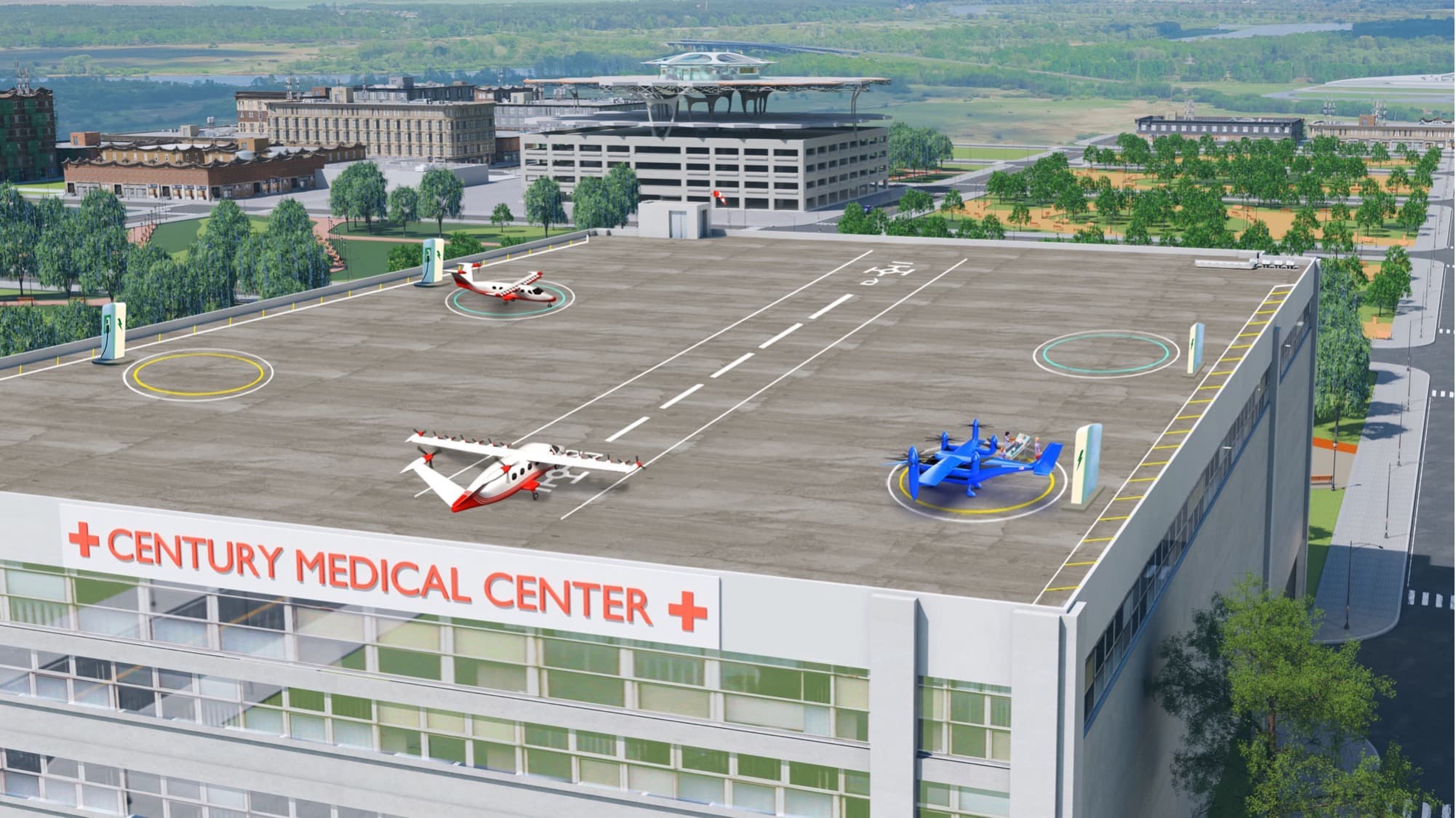
The NASA has conducted a study to understand how people react to the noise of air taxis, a new type of aircraft that could soon be taking to our skies. The results of this study could have an impact on the design and operation of these vehicles. Air taxis, also known as urban air transport, are designed to transport people over short distances, whether for personal travel or medical interventions. NASA has been working for years to enable the emergence of these new modes of air transport and to find ways to integrate them safely and efficiently into American communities.
The study, called Varied Advanced Air Mobility Noise and Geographic Area Response Difference (VANGARD), was conducted with 359 participants in the Los Angeles, New York, and Dallas-Fort Worth areas. Participants listened to 67 different sounds simulating aircraft noise, including NASA designs, and evaluated their level of disturbance.
Preliminary results show that residents living in noisy areas are more bothered by air taxi noise than those living in quieter areas. Researchers believe that people living in noisy environments may be more sensitive to additional noise.
This study is important for aviation students, as it highlights the importance of considering human factors in aircraft design and operation. The results of this study could help designers and regulators determine how and where these aircraft can fly and minimize negative impacts on communities.
NASA continues to work on aeronautical research to improve the safety and efficiency of air transport. The results of this study will contribute to research on advanced air mobility and help shape the future of air transport.
Aviation students should be interested in this study, as it shows the importance of considering human factors in aircraft design and operation. The results of this study could have an impact on how aircraft are designed and operated in the future, and students should be aware of these developments to be better prepared for their careers in the aviation industry.