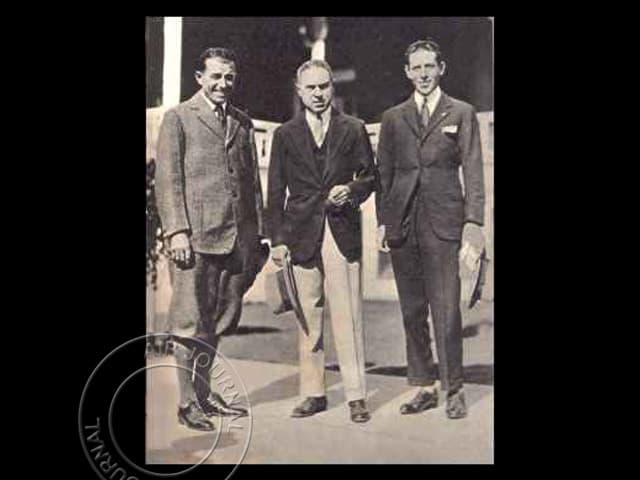
On April 8, 1927, the investigation into the abrupt interruption of Italian aviator De Pinedo's transatlantic flight concluded. This ambitious journey, which began in February 1927, aimed to circumnavigate the Atlantic Ocean. The crew, comprising De Pinedo, Marshal Innocenti, Captain Delprete, and mechanic Zacchetti, had already covered a significant distance when they made a stop at Roosevelt Dam in Arizona for maintenance and refueling. However, their adventure came to a dramatic end when their seaplane, the 'Santa Maria', exploded and caught fire, reducing the aircraft to ashes. Initially, a criminal act was suspected, particularly by anti-fascist activists, but the investigation's findings revealed that the act was unintentional. A 17-year-old mechanic student eventually came forward, confessing to having discarded his cigarette butt into a puddle of water where fuel had mixed, causing the fire that destroyed the seaplane. This story underscores the importance of safety and caution in aviation operations, even the most mundane ones. For aviation students, this story serves as a reminder of the need to strictly follow safety protocols and consider all factors that could potentially endanger a flight. The aviation industry has since taken measures to improve safety, but accidents like this remain a poignant reminder of the importance of vigilance and proper training. In the context of ATPL and ATC training, understanding the underlying causes of accidents and the measures to prevent them is essential for ensuring the safety of passengers and crew. De Pinedo's story and that of his crew is also a testament to the determination and passion of aviation pioneers, who paved the way for the modern aviation industry. The challenges they faced and the lessons they learned are still relevant today, and their story continues to inspire future generations of aviators and air traffic controllers. In conclusion, the story of De Pinedo's transatlantic flight is an important reminder of the importance of safety, caution, and determination in the aviation sector. For aviation students, it is essential to learn from this story and understand the underlying causes of accidents to become competent and vigilant professionals. ATPL and ATC training emphasize understanding the human and technical factors that contribute to aviation safety. Students learn to identify potential risks and take measures to mitigate them, which is essential for preventing accidents like the one that occurred to De Pinedo. In summary, De Pinedo's story is a poignant example of the importance of safety and caution in aviation operations, highlighting the need for aviation students to understand the underlying causes of accidents and take measures to prevent them.