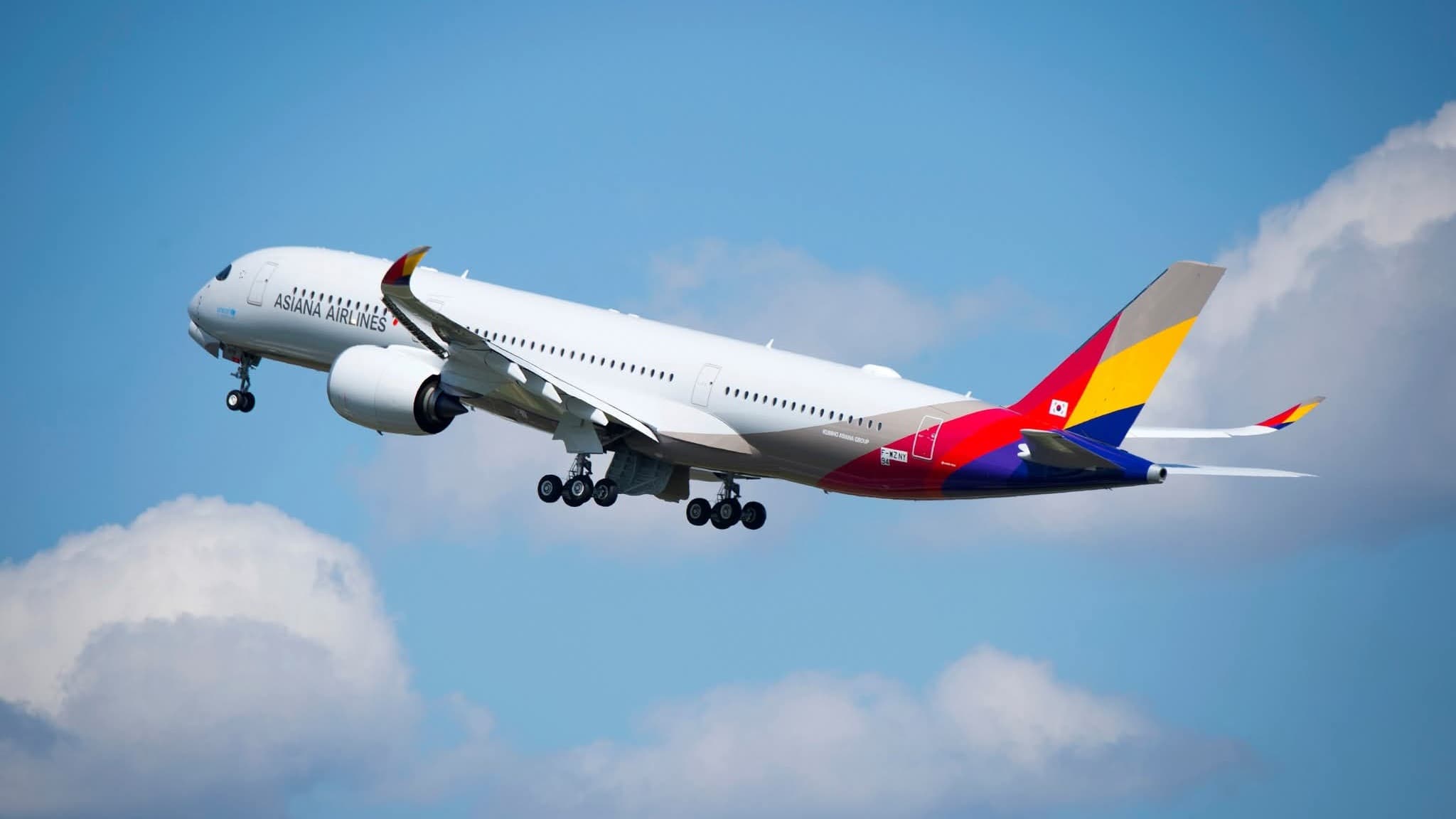
After more than six years of regulatory negotiations and financial restructuring, Korean Air has set December 17, 2026, as the operational launch date for its integrated airline, absorbing Asiana Airlines. This merger will create a global powerhouse with over 230 aircraft, a dominant position at Seoul-Incheon, and an enhanced long-haul network spanning Europe, North America, and Asia.
**Why This Matters for Aviation Training**
For ATPL and ATC students, this merger is a significant development. The new mega-carrier will require a large influx of pilots and air traffic controllers trained to operate within a unified operational framework. Korean Air has already begun harmonizing training standards for flight crews from both airlines, focusing on safety, security, and in-flight service. This means that future graduates may find increased recruitment opportunities, especially as the airline expands its fleet and network.
**Fleet Renewal and Training Implications**
Korean Air has confirmed a massive fleet renewal plan involving 103 Boeing aircraft deliveries between 2026 and 2039. This modernisation will require pilots to be type-rated on new aircraft, creating demand for simulator training and recurrent checks. ATC students should note that Incheon International Airport is set to become a dominant global hub, with optimised connectivity and increased traffic. This will likely lead to more complex airspace management and higher demand for skilled controllers.
**Infrastructure and Training Facilities**
The airline is investing heavily in infrastructure, including a new maintenance hangar at Incheon (176 billion won) and Asia's largest engine maintenance centre on Yeongjong Island (578 billion won). A dedicated R&D centre for urban air mobility and aviation safety is also planned in Bucheon. These facilities will offer training and employment opportunities for maintenance engineers and safety specialists. Additionally, Korean Air has upgraded its crew training centres to harmonise procedures and manage the increased training volume post-merger.
**Operational Integration and SMS**
The integration period until December 2026 will focus on merging Safety Management Systems (SMS), IT infrastructure, and accounting practices. For ATC students, understanding how a mega-carrier integrates its SMS with air traffic control protocols is crucial. The harmonisation of regulatory approaches across different countries will also be a key learning point for those studying international aviation law and operations.
**Conclusion**
The Korean Air-Asiana merger is not just a corporate event; it is a transformative moment for Asian aviation. For ATPL and ATC students, it represents a real-world case study in airline consolidation, fleet planning, and hub development. Staying informed about such developments will give students a competitive edge in their careers.