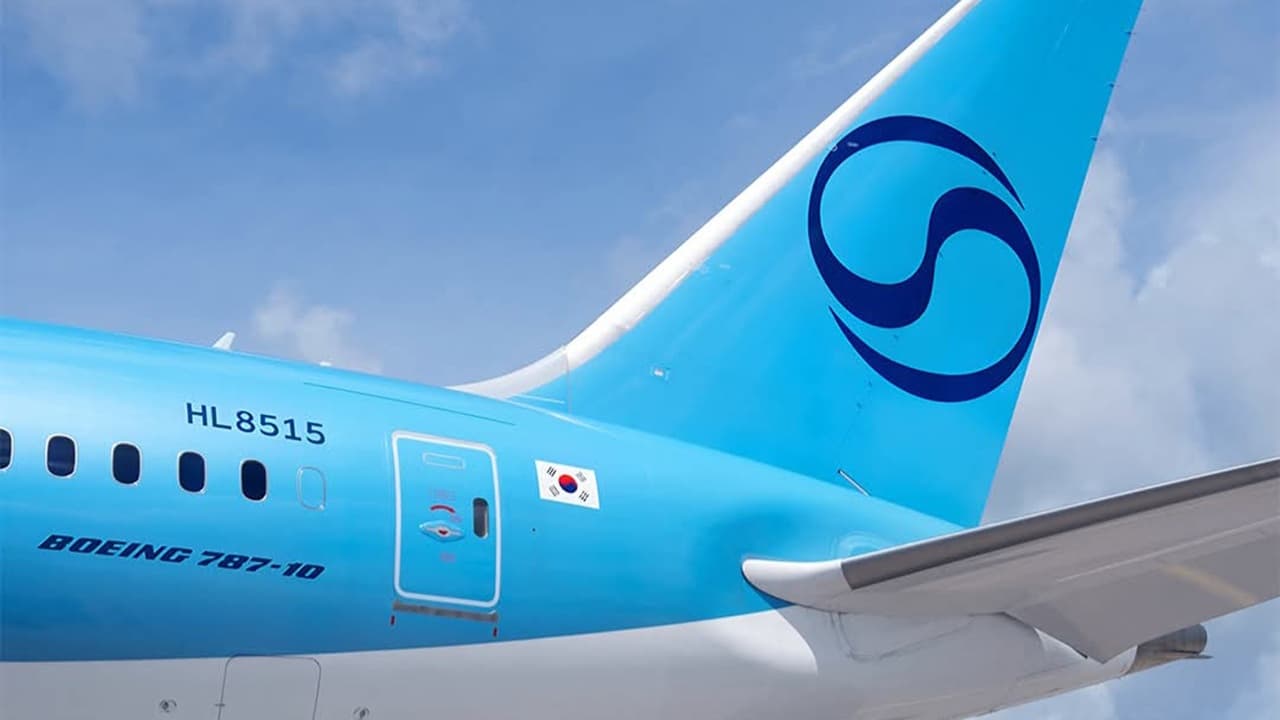
**A landmark consolidation in Asian aviation**
The absorption of Asiana Airlines by Korean Air marks one of the most significant airline mergers in recent history. Approved after a multi-year regulatory process spanning the European Union, the United States, and other jurisdictions, the deal will create a single mega-carrier in South Korea. Asiana will officially exit Star Alliance on December 16, 2026, ending a 23-year membership that began in 2003. Korean Air, a founding member of SkyTeam, will absorb all of Asiana's operations, including its low-cost subsidiaries Air Seoul and Air Busan, which will merge into Jin Air.
**What this means for passengers and loyalty programs**
Passengers can continue earning miles on Asiana flights until October 15, 2026. Status benefits and mileage redemption remain valid until the final day of Asiana-branded operations on December 16. After that, all loyalty programs will transition to Korean Air's SKYPASS system. For frequent flyers and aviation professionals, this is a textbook case of how mergers affect customer benefits and alliance dynamics.
**Regulatory conditions and route implications**
To secure approval, Korean Air agreed to divest slots and routes on key international corridors, notably Europe–South Korea. The European Commission demanded remedies to prevent a quasi-monopoly on routes like Seoul–Paris and Seoul–Frankfurt, where Air France-KLM and Lufthansa operate. Asiana's cargo business was also sold off, a strategic move in the post-pandemic air freight boom. These conditions are a goldmine for ATPL students studying competition law and route planning.
**Impact on Star Alliance and the Asian landscape**
Star Alliance loses one of its oldest Asian members, but retains 25 carriers including ANA and Air China. The merger strengthens Korean Air's position as one of Asia's largest airline groups, better equipped to compete with low-cost carriers and other full-service giants. For ATC trainees, understanding how such consolidations reshape traffic flows and slot allocation is essential.
**Why this matters for ATPL and ATC students**
This merger is a real-world example of airline alliances, regulatory hurdles, and post-merger integration. ATPL candidates should note how loyalty program transitions work and how competition authorities shape route networks. ATC students can analyze how slot divestitures affect airport capacity and scheduling. It's a case study that will likely appear in exams on airline economics and aviation law.