**A Milestone in Asian-European Connectivity**
Korean Air recently celebrated the 50th anniversary of its Seoul–Zurich route, first launched on July 14, 1976. This was the first direct air link between South Korea and Switzerland, and over five decades it has become a strategic pillar in the carrier's European network, fostering economic, tourism, and cultural exchanges. For ATPL and ATC students, this anniversary underscores the enduring importance of long-haul routes in global aviation—a core topic in network planning and airline management modules.
**Zurich as a Strategic European Gateway**
Zurich remains one of Korean Air's key European access points, and the airline is reinforcing its presence amid the recovery of long-haul traffic between Europe and Asia. A notable recent development is the partnership with Swiss Federal Railways (SBB/CFF) to launch a "Rail & Fly" offer, enabling seamless connections between Zurich Airport and major Swiss cities. This intermodal approach is increasingly common in Europe, allowing airlines to expand their reach without adding short-haul flights, aligning with environmental goals. For ATC students, this integration of air and rail highlights the growing complexity of multimodal transport management, a topic relevant to airport operations and airspace coordination.
**Modernization with the Boeing 787-10 Dreamliner**
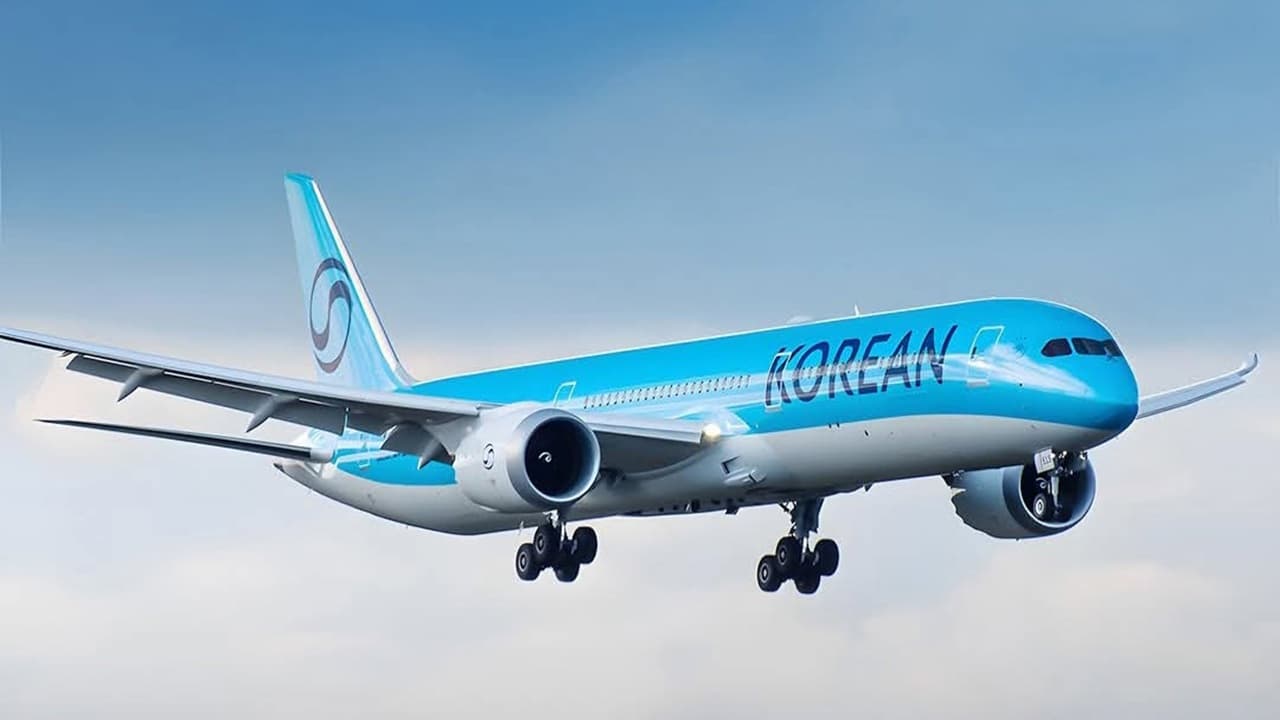
Starting June 2, 2026, Korean Air will deploy the Boeing 787-10 Dreamliner on the Seoul–Zurich route, replacing older aircraft. The 787-10 features "Prestige Suites 2.0" in business class, emphasizing privacy and traditional Korean design, while economy class offers 32-inch seat pitch and 120-degree recline for improved long-haul comfort. The aircraft's fuel efficiency is part of Korean Air's fleet modernization strategy, responding to environmental pressures. For ATPL students, the 787-10 represents a key study in modern aircraft systems, fuel management, and cabin configuration—directly relevant to type rating and performance courses.
**A Route Poised for Continued Relevance**
Korean Air's executive vice president, Jungho Choi, stated that the Zurich route "illustrates our long-standing commitment to connecting Korea to the heart of Europe." The airline plans to maintain and develop this service as part of its European network, which also includes Paris, London, Frankfurt, and Rome. Zurich, though a smaller market, plays a key role in premium traffic and connections to central Europe. Additionally, Korean Air is integrating Asiana Airlines, a major strategic shift that will reshape its network and fleet. For ATC students, understanding route network dynamics and airline alliances is crucial for traffic flow management and capacity planning.
**Implications for Aviation Training**
This anniversary is more than a celebration—it is a real-world example of how airlines balance tradition, innovation, and sustainability. ATPL students can analyze the operational decisions behind fleet upgrades and route retention, while ATC students can explore the intermodal partnerships that influence airport demand and airspace usage. The Seoul–Zurich route's 50-year history offers a rich case study in long-haul aviation strategy.