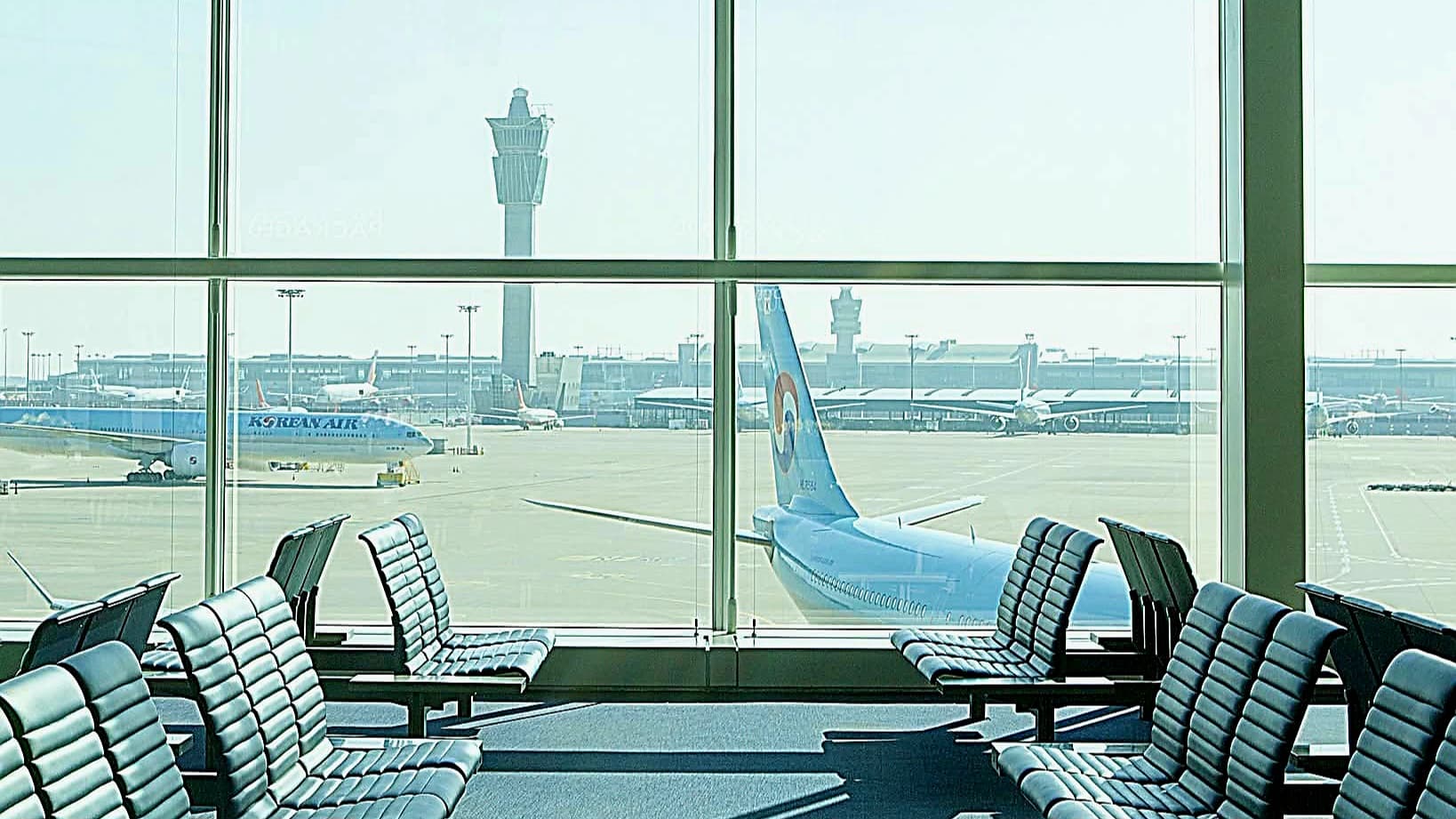
Korean Air has announced it will no longer transport fighting cocks on its flights between the United States and the Philippines, bowing to sustained pressure from animal welfare organizations. The decision marks a significant shift for the South Korean carrier, which had been criticized for years by groups such as Animal Wellness Action for allegedly being the world's largest airline involved in the illegal transport of fighting birds. The airline stated that it has "suspended the transport of cocks of any age on routes between the United States and the Philippines," citing its commitment to "ensuring the legal and safe transport of live animals in accordance with applicable laws and regulations."
This development is not just a win for animal rights advocates; it also carries important lessons for ATPL and ATC students. First, it highlights how regulatory compliance and ethical considerations increasingly influence airline operations. While the transport of live animals is governed by IATA's Live Animals Regulations (LAR), the case underscores that airlines must also navigate national laws and public opinion. For future pilots and controllers, understanding that operational decisions can be shaped by external pressures—from NGOs to social media—is crucial. The controversy also touches on cargo handling procedures: transporting live animals requires specific training, documentation, and facilities, which are part of the syllabus for airline operations modules.
From an ATC perspective, the decision has limited direct impact on air traffic management, but it does illustrate how cargo types can affect flight planning and ground handling. The Philippines, where cockfighting is legal and deeply rooted in culture, sees an estimated "tens of millions of dollars" generated weekly from the industry, much of it linked to organized crime. The rise of online betting, or "e-sabong," during the COVID-19 pandemic further fueled demand. This context reminds aviation students that the cargo they carry—whether legal or not—can have broader societal and security implications. For instance, illegal or controversial cargo may attract customs scrutiny, affect route profitability, or even expose airlines to legal risks.
Finally, the Korean Air case sets a precedent that could influence other carriers. PETA Philippines has called on other airlines to follow suit, and similar debates are ongoing in Mexico, where cockfighting remains legal in some states. For ATPL candidates studying air law and ethics, this is a real-world example of how airlines balance profitability, legality, and corporate social responsibility. It also reinforces the importance of staying updated on regulatory changes, as what is permissible today may become restricted tomorrow. As future aviation professionals, understanding these dynamics will help you make informed decisions in your careers.