**A Landmark Merger in South Korean Aviation**
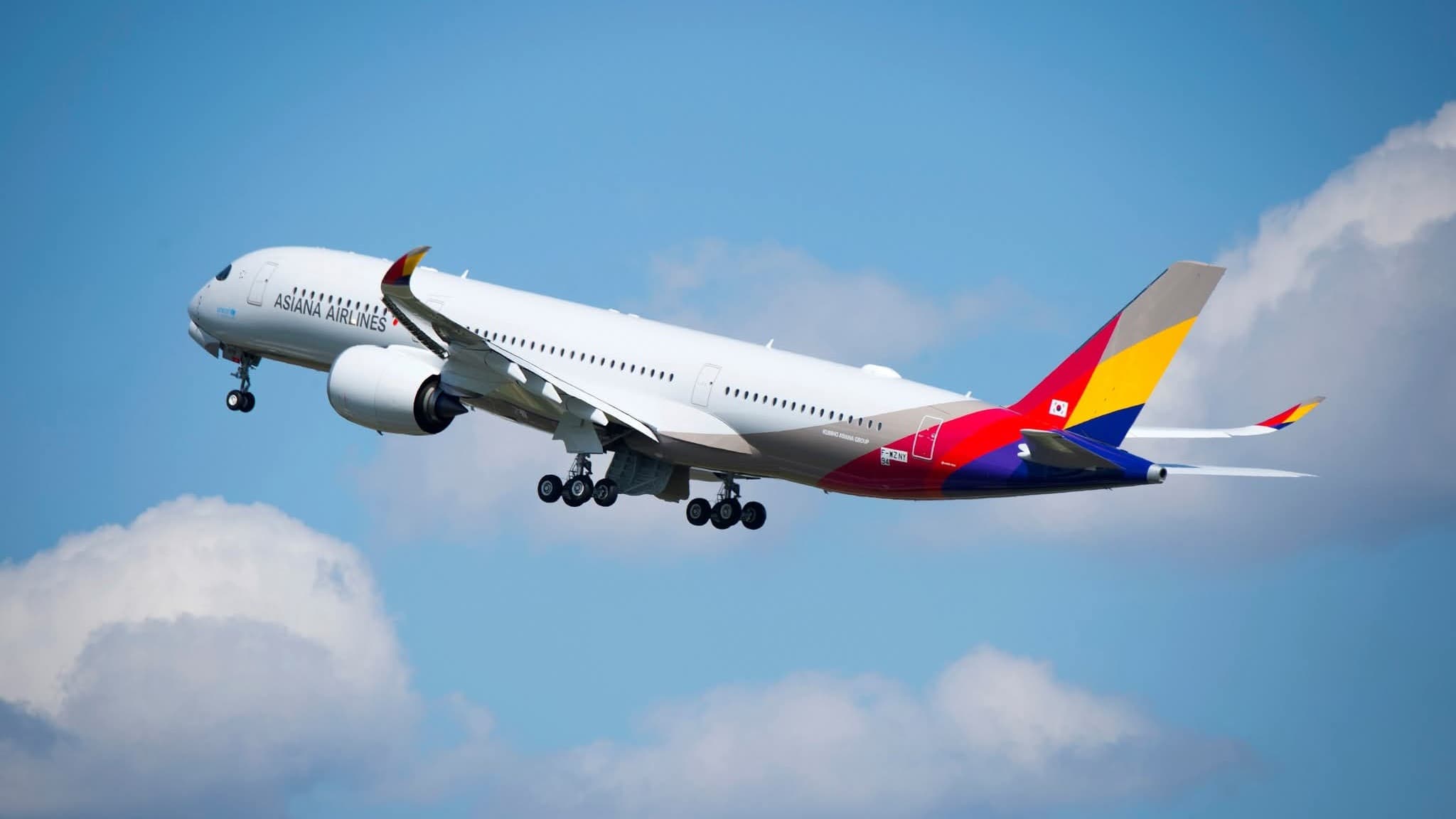
Korean Air and Asiana Airlines have taken a decisive step toward their long-awaited union. On August 12, Korean Air's board ratified the merger agreement, and Asiana's shareholders overwhelmingly approved it in an extraordinary general meeting. With 99.3% of votes in favor, representing over 167 million shares, the path is clear for Asiana to cease existing as a separate entity and brand by December 17, 2026. This marks the culmination of nearly six years of negotiations, beginning in November 2020 when Korean Air announced its intent to acquire the pandemic-stricken carrier.
**Operational Integration: More Than a Brand Change**
The merger is not merely a corporate exercise; it involves profound operational integration. Korean Air will absorb Asiana's assets, liabilities, and employees, and will adapt its Air Operator Certificate (AOC) to incorporate Asiana's fleet, crews, safety procedures, and risk management systems. This phase is critical: harmonizing operational manuals, crew training, maintenance systems, and international authorizations is a complex task that must be completed without compromising safety or operational continuity. For aviation professionals, this highlights the importance of standardized procedures and the challenges of merging diverse operational cultures.
**Regulatory and Competitive Hurdles**
The merger has faced significant regulatory scrutiny, particularly from the European Union, which required remedies to address competition concerns. Korean Air had to divest Asiana's cargo business and allow T'way Air to operate on four overlapping European routes. These concessions were essential to secure approval. The South Korean MOLIT granted conditional approval in June, and the registration was validated in July. As the December deadline approaches, the focus shifts to demonstrating successful integration while maintaining high safety standards.
**Implications for ATPL and ATC Students**
For students pursuing ATPL or ATC careers, this merger offers a real-world case study in operational integration. Understanding how airlines merge fleets, align training programs, and manage safety systems is crucial for future pilots and controllers. The transition of Asiana from Star Alliance to SkyTeam also illustrates how alliance memberships affect operational procedures and international cooperation. As the industry consolidates, professionals must be adaptable and knowledgeable about multi-carrier operations, making this an essential topic for aviation training.