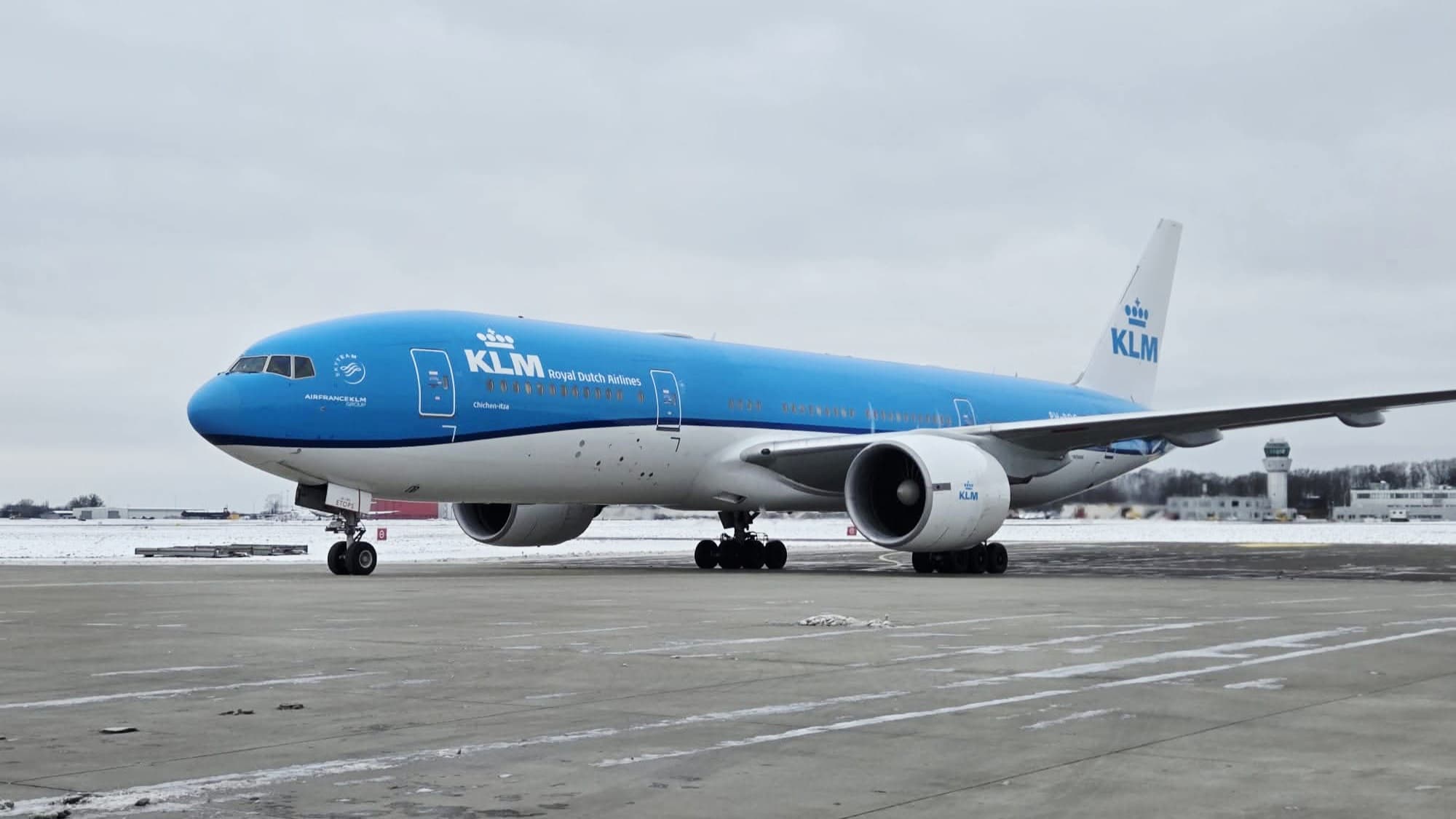
After months of difficult discussions, Dutch carrier KLM and its pilot unions have reached a tentative agreement on a new collective labor agreement. The deal provides a 4.75% salary increase over two years and expands discounted ticket benefits, against a backdrop of financial and operational pressures. This compromise ends a long period of social tension that saw the 3,600 pilots operating without an updated contract since March 2025.
The negotiations were particularly strained. Management initially refused any wage increase, citing lower profitability compared to Air France within the Air France-KLM group, rising costs at Amsterdam-Schiphol Airport, and higher fuel prices due to geopolitical tensions in the Middle East. The pilots, however, argued that ground staff had already received a 3.25% raise under a separate deal, creating a sense of inequity that fueled their demands.
The final agreement includes a 4.75% wage hike spread over two years and an extension of the preferential ticket purchase program. According to Ruud Stegers, president of the VNV pilots' union, this benefit will now be available up to four years after the mandatory retirement age of 58. "This is a balanced agreement given the company's situation," he told the Dutch financial daily Financieele Dagblad.
This deal comes at a critical time for KLM, which faces structural economic challenges within the Air France-KLM group. The Dutch airline's profitability lags behind its French counterpart due to capacity caps at Schiphol for environmental reasons, higher operating costs, and a long-haul network exposed to unstable geopolitical regions. Management is keen to contain expenses while avoiding a deterioration of the social climate, which is essential for operational continuity.
The agreement is not yet final. It must be submitted to a vote by members of representative organizations, including the powerful VNV union. The outcome of this consultation will determine when the new collective labor agreement takes effect. For ATPL and ATC students, this case illustrates how labor relations, cost pressures, and regulatory constraints interact to shape airline operations—a reality they will encounter in their future careers.