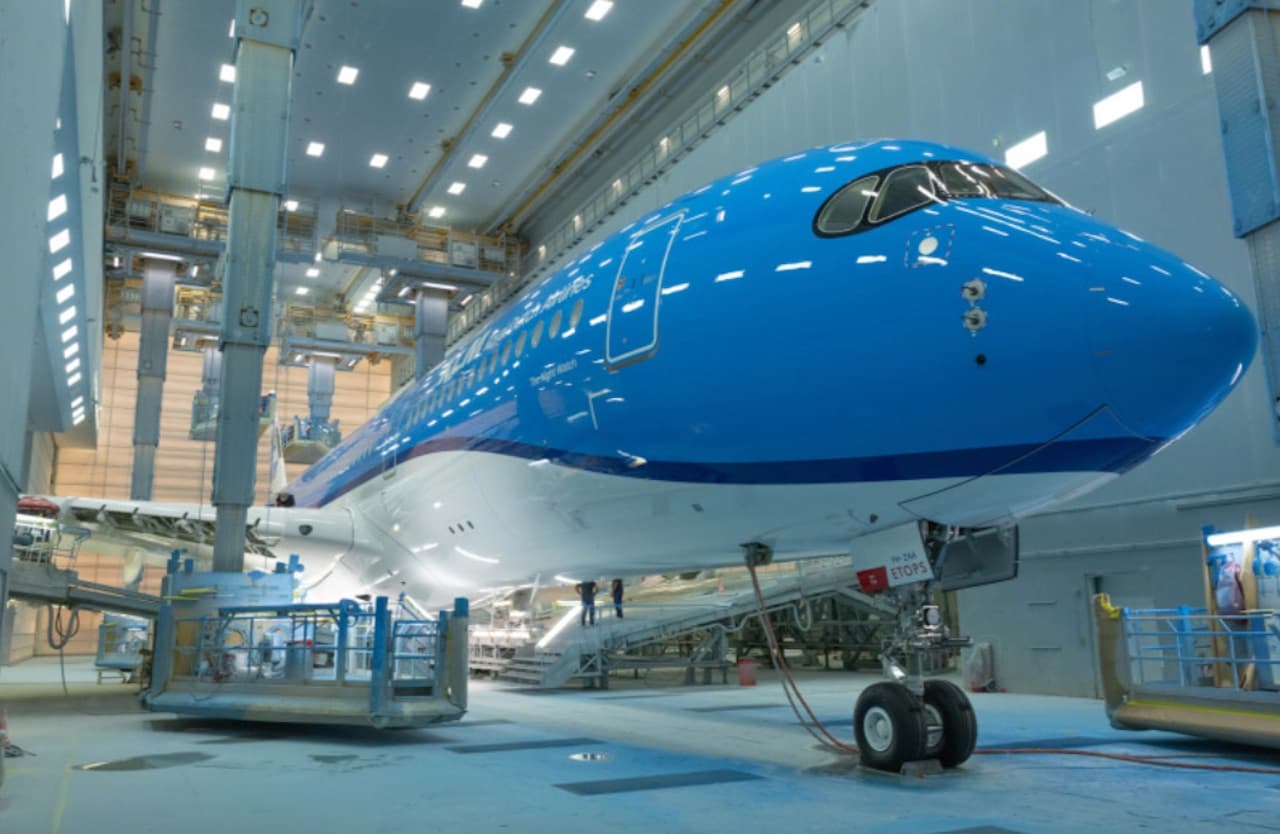
**A New Tradition Takes Flight**
KLM Royal Dutch Airlines has announced that its entire future fleet of Airbus A350s will bear names inspired by iconic Dutch artworks. The first aircraft, scheduled for delivery in August 2026, has been christened "The Night Watch" ("De Nachtwacht") after Rembrandt's 1642 masterpiece housed at the Rijksmuseum in Amsterdam. This marks a departure from KLM's previous naming conventions, which often honored cities, explorers, or cultural figures. The airline explicitly ties this choice to national heritage, stating that the painting is "immediately recognizable" to visitors worldwide. For aviation students, this illustrates how branding and cultural identity can influence fleet strategy — a factor that can affect route marketing, passenger perception, and even crew training materials.
**Fleet Modernization and Operational Impact**
The A350-900 is central to KLM's long-haul fleet renewal, replacing older Boeing 777s and complementing the 787s. With 331 seats (34 business, 26 premium economy, 271 economy), the aircraft promises 25% lower fuel burn and reduced noise compared to previous-generation jets. The first route will be Amsterdam–Toronto, a competitive North Atlantic sector where KLM faces Air Canada and SkyTeam partners. For ATPL students, this deployment is a textbook case of fleet planning: matching aircraft capacity and range to high-demand routes while managing environmental compliance. ATC trainees should note that the A350's quieter engines and lower emissions may influence noise abatement procedures and curfew regulations at airports like Amsterdam Schiphol.
**Certification Hurdle: A Real-World Lesson**
A significant operational snag has emerged: the new business class seats have not yet received certification due to a "reinterpretation of regulatory requirements" by aviation authorities. As a result, the first two A350s will enter service without their World Business Class cabins fully operational — an unusual situation for long-haul operations where premium cabins drive revenue. The premium economy cabin, however, will be available from day one. This episode is a stark reminder for ATPL and ATC students that certification processes are not always straightforward. Regulatory changes can delay entry into service, affect crew training schedules, and force airlines to adapt revenue management strategies. Understanding the interplay between aircraft certification, operational readiness, and commercial planning is essential for anyone pursuing a career in aviation management or operations.
**What This Means for Students**
For those studying for ATPL or ATC exams, this news underscores the importance of staying current with fleet developments and regulatory frameworks. KLM's naming strategy also offers a case study in how airlines use cultural branding to differentiate themselves — a topic that may appear in airline management or marketing modules. The certification delay specifically highlights the critical role of aviation authorities (like EASA or the Dutch CAA) in ensuring safety and compliance, and how their decisions can ripple through an airline's schedule and profitability.