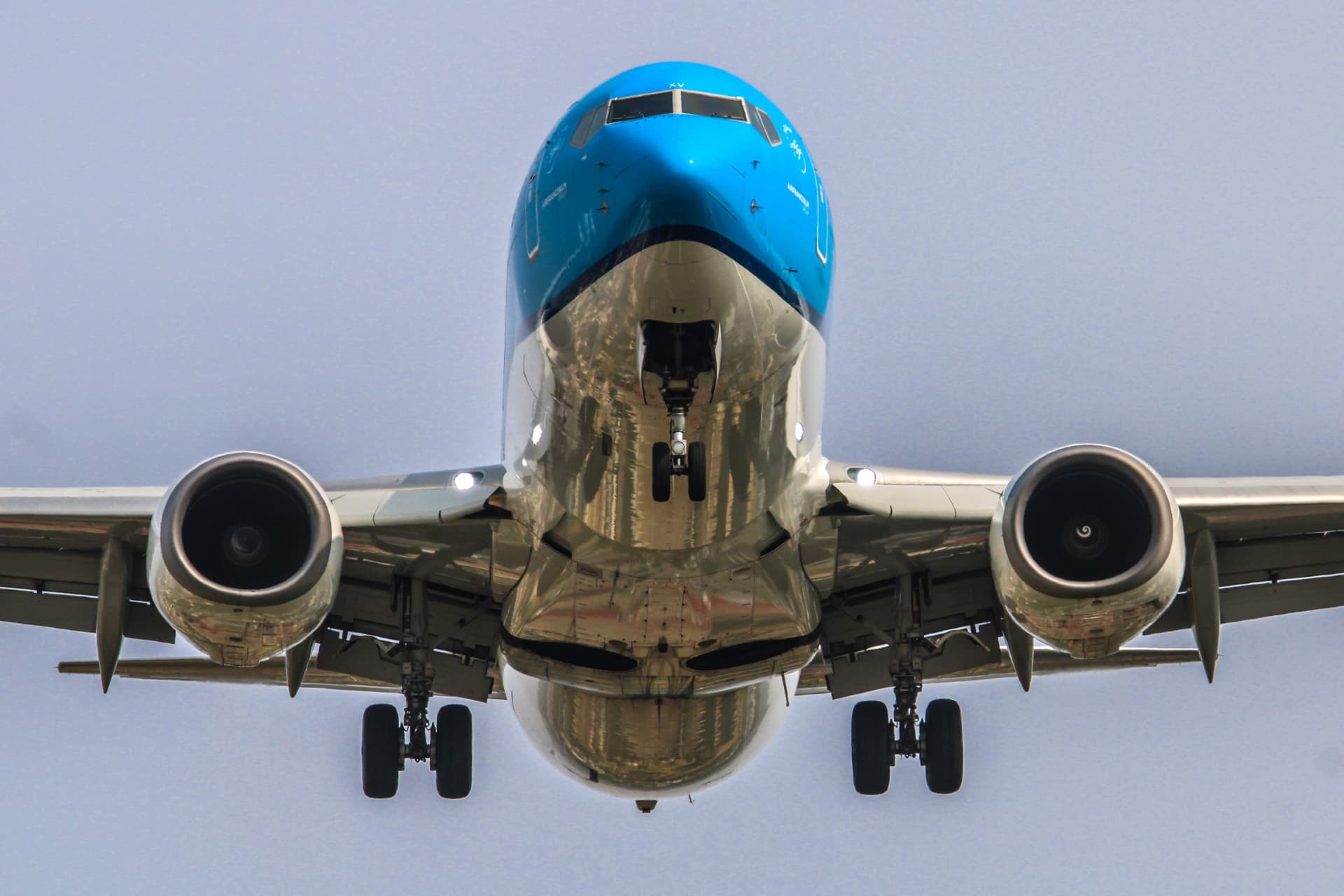
KLM is set to transform its European economy-class dining experience with the introduction of 'Grand Café KLM' this October. The Dutch carrier will maintain a reduced complimentary offering—hot or cold drinks and the iconic stroopwafel—while adding pre-orderable meals and a range of paid products available onboard. This move aligns KLM with a growing trend among legacy European airlines that are blending a basic included service with optional paid extras.
Passengers will have two main options: reserve a meal before departure or purchase snacks and beverages during the flight. The pre-order menu includes items like poke bowls and Caesar salads, while the onboard sales menu features wraps and fruit yogurts. Despite these additions, the free service remains intact: coffee, tea, water, orange juice, and stroopwafels will still be served at no extra cost. This represents a notable evolution from KLM's current European service, which typically includes a snack and a drink, with fresh sandwiches on longer routes.
Bas Gerressen, KLM's Executive Vice President of In-Flight Services, expressed enthusiasm about the new concept, stating that it marks a step forward in enhancing the travel experience in Europe. He emphasized that passengers will enjoy greater choice, flexibility, and an offering that better caters to diverse preferences and needs. Whether they choose to pre-order a meal or spontaneously select a snack onboard, travelers can tailor the service to their personal tastes.
The launch follows extensive testing phases. KLM had announced its intention to explore a new catering model for European economy class and conducted trials on various destinations, including flights to Lisbon, Porto, and Oslo in 2025. These tests refined both the product assortment and the operational processes for sales and delivery onboard. Earlier trials also tested meal pre-ordering on select routes, with menus priced at €12.50. However, KLM has not yet disclosed final pricing, detailed pre-order procedures, accepted payment methods, or potential variations based on flight duration or destination—details that will be crucial in assessing the service's practical impact.
For aviation training students, this development highlights the evolving nature of airline ancillary services and revenue management. Understanding how carriers like KLM balance complimentary offerings with paid options provides insight into current industry strategies, which is essential for future roles in airline management, cabin crew training, or operational planning. The shift also underscores the importance of adaptability in service design, a key consideration for those preparing for careers in aviation.