**A Historic Milestone in Transatlantic Aviation**
On May 21, 2026, KLM celebrated the 80th anniversary of its flagship route between Amsterdam Schiphol (AMS) and New York John F. Kennedy (JFK). This route holds a special place in aviation history: it was the first regular scheduled service between Europe and the United States after World War II, launched by KLM on May 21, 1946. The inaugural flight, operated by a Douglas C-54 Skymaster (the military version of the DC-4), carried 32 passengers and took over 25 hours, with technical stops at Prestwick in Scotland and Gander in Canada. Today, the same city pair is served by up to four daily flights using modern widebody aircraft, operated under a transatlantic joint venture with Delta Air Lines, Air France, and Virgin Atlantic. In 2025 alone, nearly 500,000 passengers and more than 17 million kilograms of cargo moved along this corridor.
**Why This Matters for ATPL and ATC Students**
For aspiring airline transport pilots and air traffic controllers, this anniversary is not just a nostalgic look back — it is a textbook example of how a single route can evolve in response to technology, regulation, and market demand. The progression from a multi-stop, 25-hour flight to a nonstop, high-frequency operation illustrates the impact of aircraft performance improvements (from the DC-4 to the Boeing 787 Dreamliner), the role of hub-and-spoke networks, and the importance of strategic alliances. ATC students can study how traffic management on the North Atlantic tracks has changed over eight decades, from procedural control to the current Performance-Based Navigation (PBN) environment. The route also highlights the growing significance of belly cargo in long-haul operations, a factor that influences flight planning, weight and balance, and turnaround times.
**Fleet Evolution and Environmental Considerations**
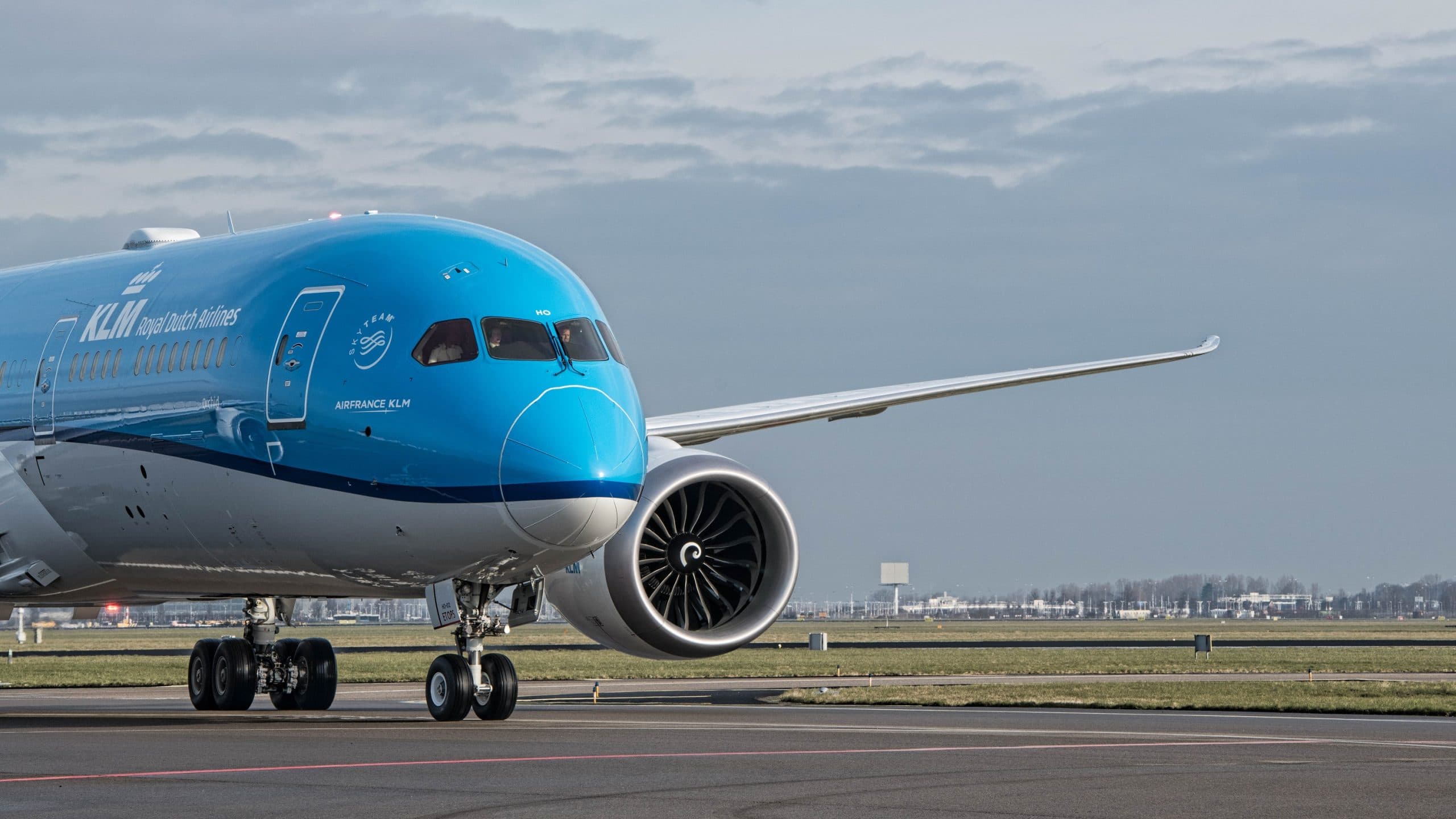
KLM has operated several iconic aircraft types on this route over the years, including the Boeing 747, which became synonymous with the airline's long-haul identity. Today, the Boeing 787 Dreamliner is the primary type, offering improved fuel efficiency and lower emissions. The airline continues to invest in fleet renewal to reduce its carbon footprint and noise impact — a critical topic for ATPL students who will be flying next-generation aircraft and for ATC professionals who must manage noise abatement procedures around major airports like Schiphol and JFK. The anniversary also serves as a reminder of the economic and logistical importance of transatlantic air links, which support high-value cargo such as pharmaceuticals, electronics, and luxury goods.
**Celebrations and Educational Value**
To mark the occasion, KLM organized events in New York, including an exhibition at the New York Historical Museum and the unveiling of a limited-edition Delft Blue miniature house. In the Netherlands, the Aviodrome museum opened a dedicated exhibition titled "The PH-TAR and the Journey to the New World," featuring a restored Douglas DC-4. For students, these exhibitions provide a tangible connection to the past and a reminder that today's routine operations are built on decades of innovation and determination.
**Conclusion**
The Amsterdam–New York route is more than a commercial success — it is a living case study in aviation evolution. For those training to become pilots or controllers, understanding how such a route has adapted over time offers valuable insights into the dynamics of network planning, fleet management, and operational resilience.