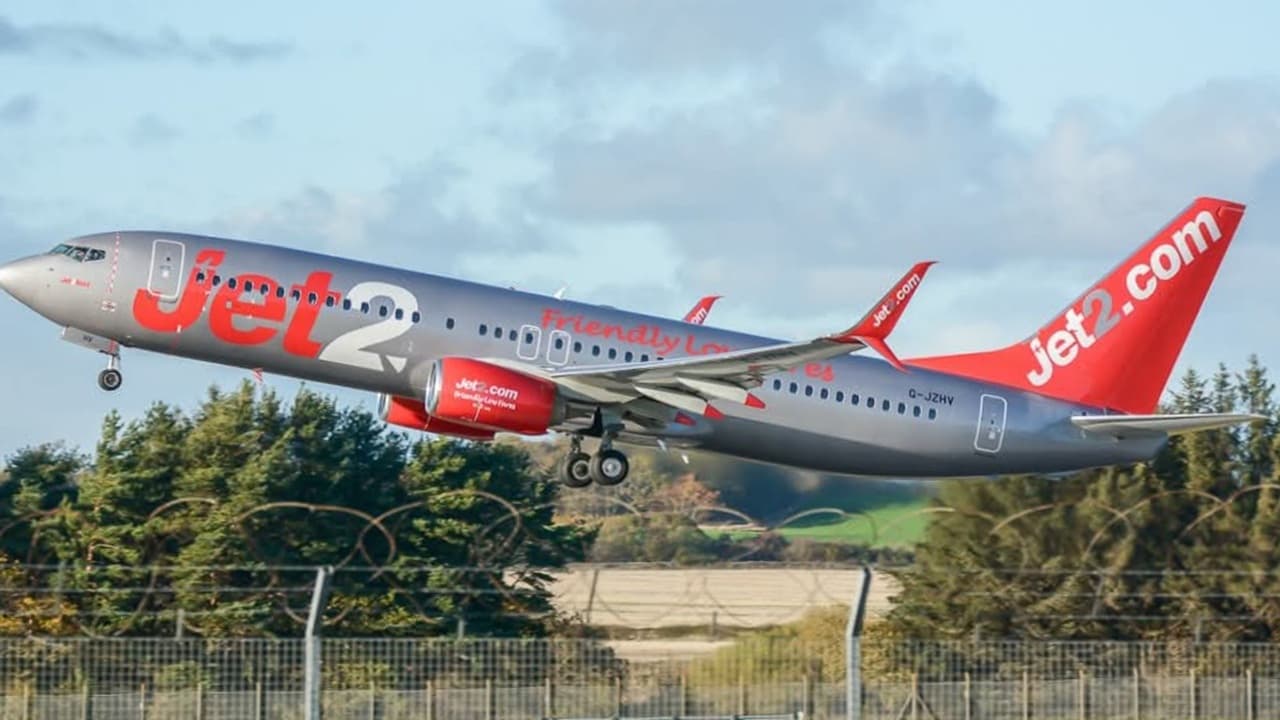
On June 21, 2026, Jet2 flight LS966 from Larnaca, Cyprus, to Manchester, UK, became the scene of a violent incident that ended with the death of a 35-year-old British passenger, Callum Kerr. According to Greater Manchester Police, Kerr displayed aggressive behavior during the flight, assaulting another passenger and a crew member, leading to a request for priority landing. Witnesses reported that he struck overhead lockers and the cockpit door, and threatened other travelers. A flight attendant reportedly called for help, asking if "big strong guys" could intervene.
Upon landing at Manchester, police boarded the aircraft and found Kerr being restrained at the rear by passengers and crew. Officers handcuffed him, found him unconscious, and began CPR before transferring him to hospital, where he died on June 23. His family described him as a devoted father of three young children and a sports enthusiast. The investigation is being conducted by Greater Manchester Police and the Independent Office for Police Conduct, which examines deaths following police contact.
For ATPL and ATC students, this incident underscores the critical importance of cabin safety procedures, particularly the management of disruptive passengers. In-flight violence, often fueled by alcohol, poses serious risks to crew and passengers. Understanding the protocols for restraining a violent individual—including when to request priority handling from ATC—is essential. ATC must be prepared to coordinate emergency landings, prioritize the flight, and alert ground services. This case also highlights the legal and ethical complexities of restraint, as crew actions can have fatal consequences. Students should study the balance between maintaining safety and avoiding excessive force, as well as the role of post-incident reporting and investigation.
The tragedy also reinforces the need for clear communication between cockpit, cabin crew, and ATC. In this scenario, the crew's decision to request priority landing likely saved lives by reducing the duration of the crisis. For ATC trainees, this is a textbook example of how to handle a "security-related" emergency, including the use of squawk codes, coordination with airport police, and managing other traffic. For pilots, it emphasizes the importance of crew resource management (CRM) and the "sterile cockpit" rule during critical phases. Ultimately, this event is a stark reminder that aviation safety extends beyond technical failures to human factors and crisis management.