The recent collapse of Spirit Airlines in the United States has sent shockwaves through the global aviation industry, particularly among low-cost carriers. Spirit's failure, the first major US airline bankruptcy in over 25 years, was triggered by soaring jet fuel costs linked to the Middle East conflict. This event serves as a stark warning for European low-cost airlines, many of which are now teetering on the edge of financial ruin.
According to reports from *Corriere della Sera*, thirteen European airlines could face liquidity shortages between July and August if fuel prices remain elevated. These carriers are primarily small to medium-sized operators or long-haul low-cost airlines already struggling with debt and thin margins. Key indicators of vulnerability include liquidity levels, debt structure (especially aircraft lease costs), and fuel hedging coverage. While many European airlines had hedged 70-80% of their fuel needs for the year, the extreme price surge has still forced them to raise fares, impose surcharges, and cut capacity.
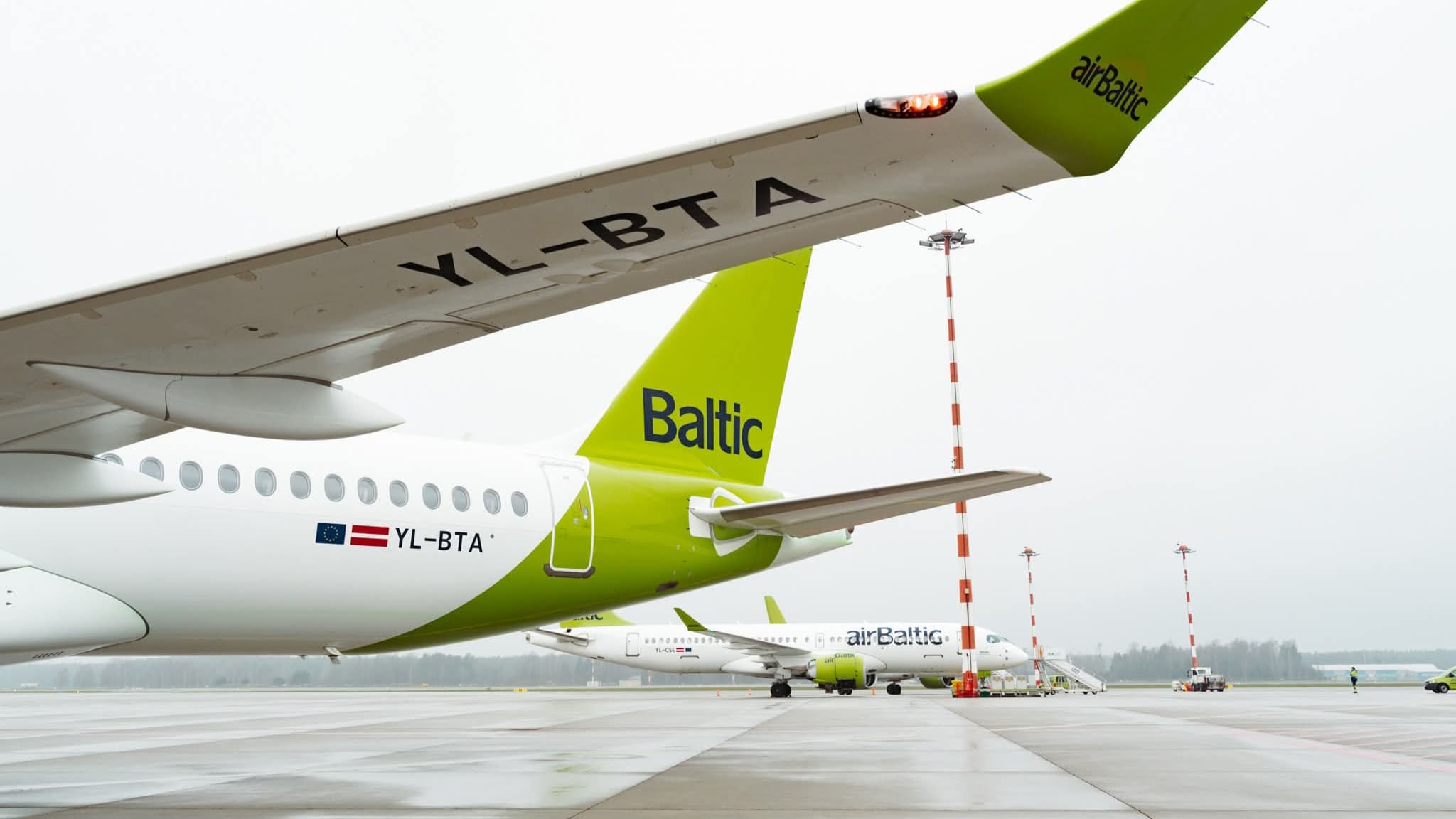
Among the most exposed carriers is Norse Atlantic, the Norwegian long-haul low-cost airline operating Boeing 787s. Its equity was negative by nearly €240 million at the end of 2025, and it has launched a €95 million capital increase and a €60 million loan while canceling around 2,000 flights between April and September. AirBaltic, the Latvian carrier, is also in a precarious position, needing at least €150 million before the crisis hit. S&P Global Ratings describes its liquidity as "critical," despite a €30 million state loan. SAS, which abandoned its fuel hedging, could see its annual fuel bill double in 2026 if prices stay high, though its backing by Air France-KLM provides some buffer.
Fuel hedging strategies vary widely. Ryanair has secured about 80% of its fuel but still paid an extra $100 million in March and April, with a potential annual overcost of $600 million. EasyJet, with a solid hedging policy covering 70-80% of summer needs, has fared better but still incurred £25 million in additional costs in March. Wizz Air's CEO József Váradi warns of potential shutdowns in Europe by autumn if prices persist, though he insists his airline is well-protected with 83% hedging and over €2 billion in cash. However, even Wizz Air has issued profit warnings, showing that no carrier is immune.
For ATPL and ATC students, this crisis underscores the critical importance of fuel management in airline operations. Understanding fuel hedging, cost structures, and the impact of geopolitical events on jet fuel prices is essential for future pilots and controllers. The low-cost model, built on razor-thin margins, is particularly vulnerable to external shocks, and this crisis may reshape the European aviation landscape. Students should monitor how airlines adapt through capacity adjustments, surcharges, and fleet changes, as these decisions directly affect flight schedules, crew planning, and air traffic management.
In conclusion, the jet fuel crisis is a real-world case study in aviation economics and risk management. While stronger carriers like Ryanair and EasyJet may weather the storm, weaker players face an uncertain future. For those training to enter the industry, this is a reminder that financial stability is as important as technical proficiency in ensuring a sustainable aviation career.