**Jeju Air scales back 737 MAX order: a sign of the times for Asian aviation**
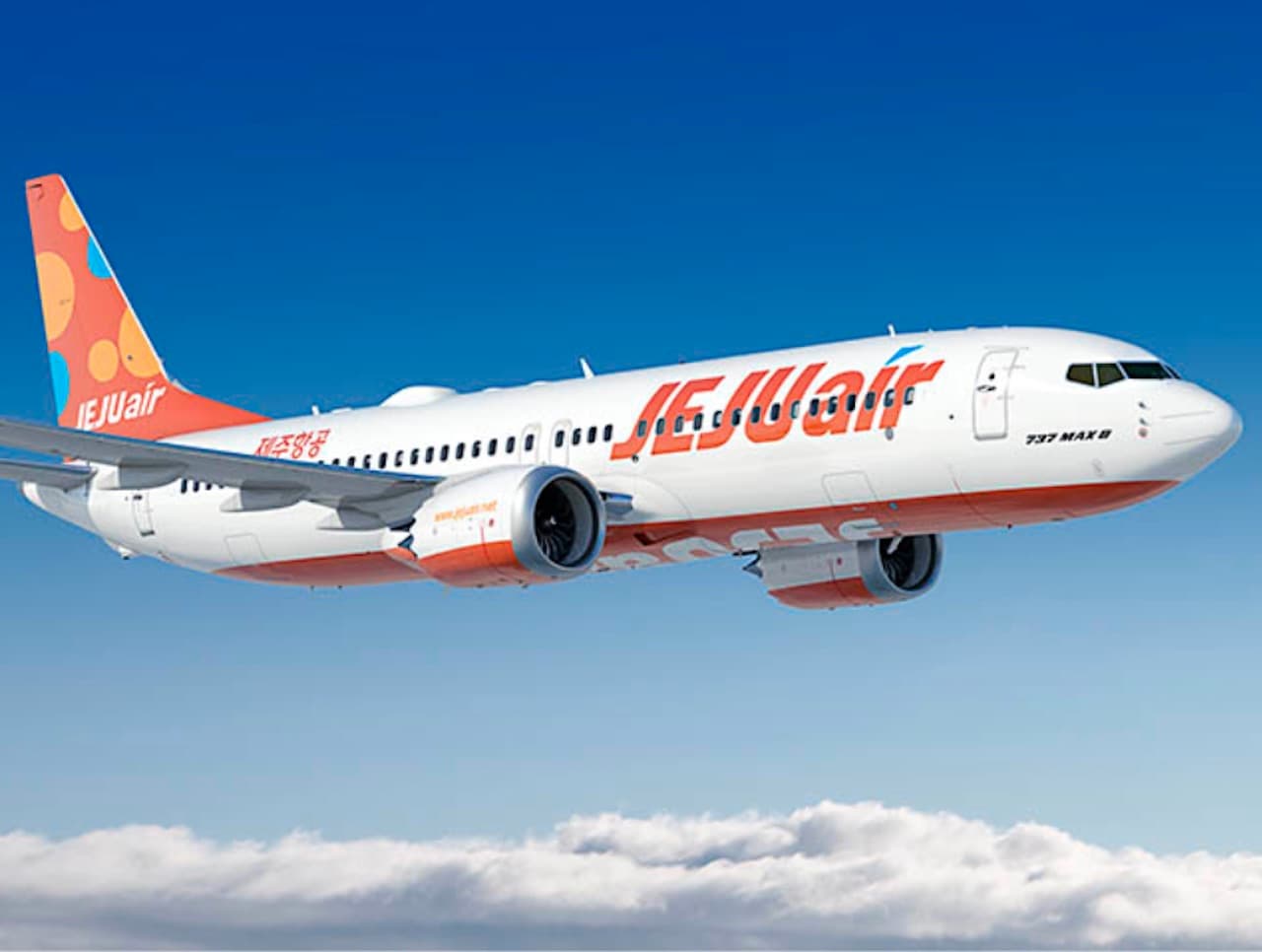
South Korean low-cost carrier Jeju Air has announced a reduction in its Boeing 737 MAX 8 order, cutting it from 40 to 32 aircraft. The decision, disclosed on June 9, 2026, to the Korean financial regulator via the DART system, reflects the persistent headwinds facing the Asian aviation sector. The contract value has been adjusted from approximately $4.4 billion to $3.5 billion, though an option for 10 additional aircraft remains valid. Jeju Air has already taken delivery of 12 of the narrow-body jets since the original 2018 order.
**Why this matters for aviation training**
For ATPL and ATC students, this news is a real-world case study in how macroeconomic factors directly influence fleet planning and airline operations. The reasons cited by Jeju Air—fuel cost volatility, regional economic uncertainty, supply chain disruptions, and intense low-cost competition in Northeast Asia—are exactly the kind of variables that shape the strategic decisions of airlines worldwide. Understanding these dynamics is crucial for future pilots and controllers who will operate in an industry where fleet composition and network planning are constantly adjusted to market conditions.
**The 737 MAX program's lingering challenges**
The first Jeju Air 737-8 was only delivered in 2023, well after the initial target of late 2022. This delay is part of a broader pattern affecting the 737 MAX program, which faced a global grounding following the 2018-2019 accidents and subsequent production disruptions. For students, this highlights the importance of monitoring aircraft certification and delivery timelines—a key factor in airline capacity planning and route development.
**Implications for the Asian low-cost market**
Jeju Air's move also underscores the intense competitive pressure in the Northeast Asian low-cost segment. Carriers like Jeju Air must balance growth ambitions with financial prudence, especially when faced with rising operational costs and uncertain demand. This is a valuable lesson for future aviation professionals: fleet decisions are not just about aircraft performance but also about financial sustainability and market positioning.
**What ATPL and ATC students should take away**
This story illustrates the interconnectedness of global aviation—how supply chain issues, fuel prices, and regional competition can all converge to reshape an airline's fleet strategy. For those studying for ATPL or ATC exams, it reinforces the need to understand airline business models, fleet planning, and the external factors that drive change in the industry.