Japan has set a new tourism record, welcoming 42.7 million foreign visitors in 2025, surpassing the 40 million mark for the first time. French tourists are among the fastest-growing European markets, with 150,700 arrivals between January and April 2026—a 10.3% increase over the same period in 2025. This surge, however, is straining infrastructure in the country's most popular destinations: Tokyo, Kyoto, and Osaka. The Japanese Minister of Transport and Tourism, Yasushi Kaneko, has described the concentration of foreign visitors in specific regions as "very serious."
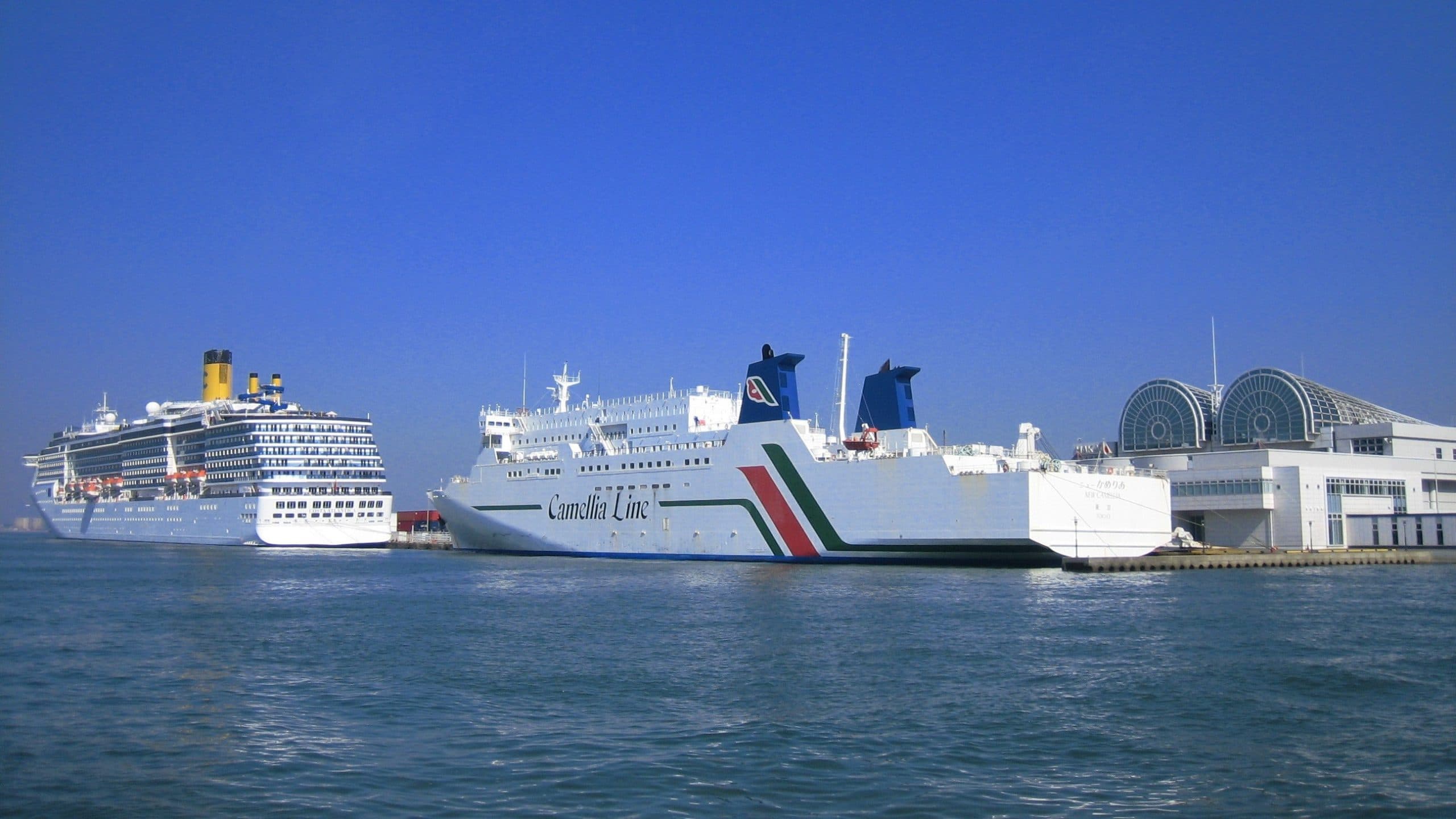
For aviation and tourism professionals, this trend has direct implications. Airlines and travel agencies must adapt their offerings to manage passenger flows more evenly. One emerging solution is the cruise industry, which allows travelers to explore Japan's coastal regions without adding to the congestion on the "Golden Route" between Tokyo, Kyoto, and Osaka. Cruise itineraries connect secondary ports like Kobe, Hiroshima, Kanazawa, and Kagoshima, offering a maritime perspective that reduces reliance on overburdened land transport and accommodation. The Japanese Ministry of Land, Infrastructure, Transport and Tourism has actively promoted cruises as a tool for regional revitalization, noting that they "attracted many foreign visitors to Japan and contributed to the revitalization of regions."
Cruises also simplify logistics for travelers: a single floating hotel eliminates the need for multiple hotel changes and long overland transfers. This model appeals to a clientele seeking deeper cultural immersion—onboard lectures by experts like Pascal Boniface or calligrapher Yukako Matsui provide historical and cultural context for each port of call. Major operators such as Ponant, Royal Caribbean, and MSC Cruises have expanded their Japan itineraries, while specialized agencies like Voyages d'exception offer French-language accompaniment and curated excursions.
Kyushu, Japan's southernmost main island, is a prime beneficiary of this maritime shift. Its ports—Nagasaki, Kagoshima, and Fukuoka—offer rich historical and natural attractions without the crowds of Honshu. Nagasaki's colonial quarter and atomic bomb memorial draw visitors interested in heritage, while Kagoshima's Sakurajima volcano and Fukuoka's vibrant street-food scene provide diverse experiences. Cruise excursions from these ports can include visits to renowned hot springs (onsen) and volcanic landscapes, further diversifying the tourism offer.
For ATPL and ATC students, understanding these tourism dynamics is crucial. The aviation industry must anticipate shifts in demand: as cruise passengers fly into Japan's major hubs (Narita, Kansai) and then disperse via regional airports (Fukuoka, Kagoshima), air traffic patterns and slot allocations may change. Moreover, the Japanese government's push to decentralize tourism could lead to new airport infrastructure investments or revised airspace management strategies. Staying informed about these developments helps future pilots and controllers grasp the broader operational context in which they will work.