**Industry Context and the Incident**
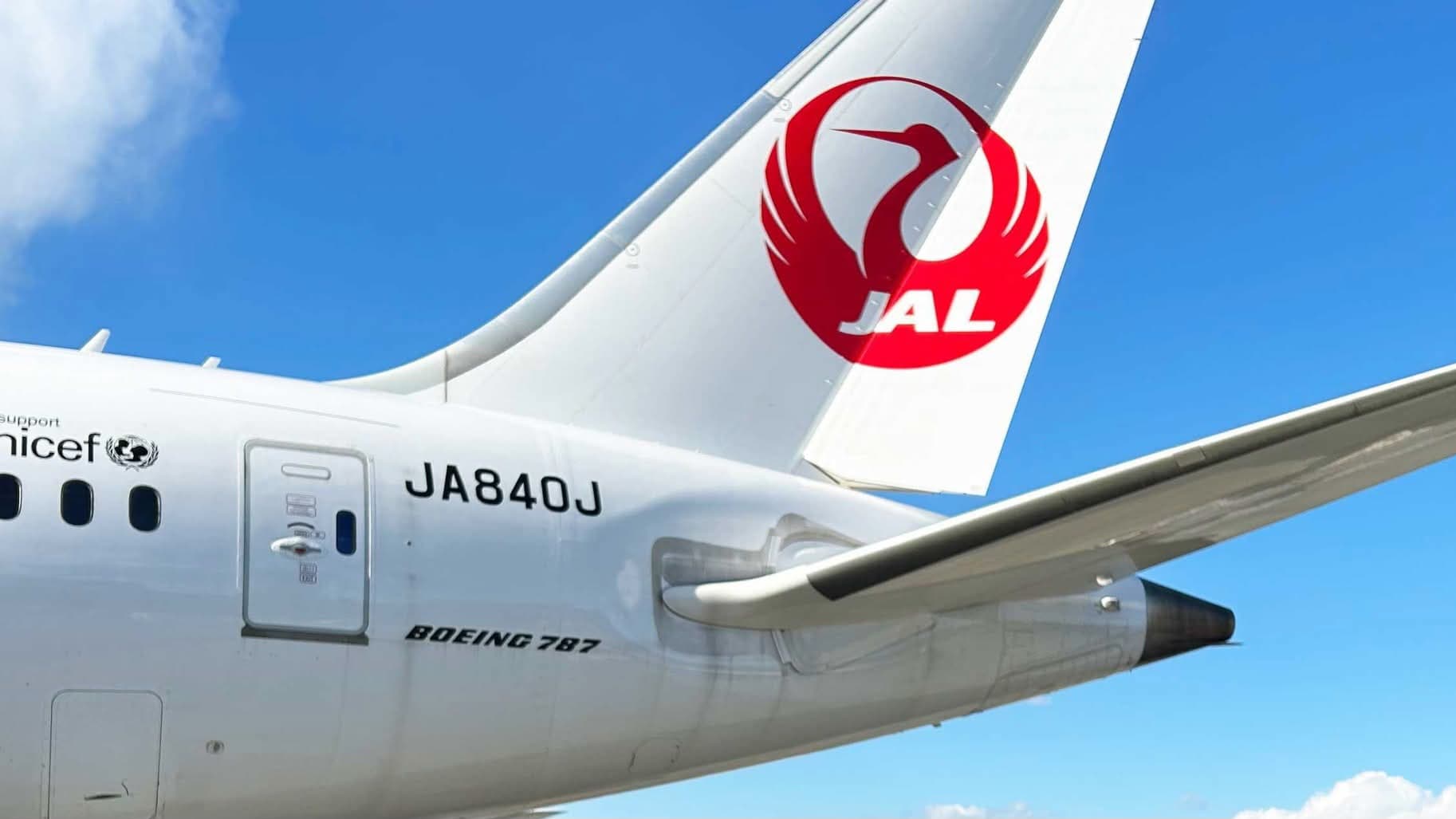
On May 23, 2026, Japan Airlines flight JL252 from Hiroshima to Tokyo-Haneda was delayed by 42 minutes after a flight attendant tested positive for alcohol during a pre-flight check. The crew member had consumed alcohol the previous evening at her hotel lounge with a colleague, violating the airline's internal rule prohibiting alcohol consumption within 12 hours before duty. Despite a positive self-test, she did not report the result and proceeded to the airport, where a second test confirmed the presence of alcohol. She was immediately removed from the flight, forcing the airline to find a replacement. The delay affected 186 passengers.
**Regulatory Response and Policy Change**
The Japanese Ministry of Transport (MLIT) dispatched inspectors to Japan Airlines' headquarters on May 28 to investigate the incident and assess corrective measures. In response, Japan Airlines announced an immediate tightening of its alcohol policy: crew members are now banned from consuming alcohol during layovers before return flights. The airline stated it takes the loss of public trust very seriously and will strengthen its prevention measures. This is not the first such incident; in August 2025, three JAL flights from Hawaii to Japan were delayed by up to 18 hours after a captain was deemed unfit to fly due to alcohol consumption, affecting 630 passengers. Following that, the airline had already tightened its rules under pressure from the MLIT.
**MyATPS Angle: Lessons for ATPL and ATC Students**
For ATPL students, this case highlights the critical importance of adhering to crew duty and alcohol consumption regulations. The 12-hour bottle-to-throttle rule is a standard safety measure, but this incident shows that even with rules in place, human factors can lead to breaches. ATC students can learn about the operational impact of such delays—how a 42-minute delay can ripple through schedules, affecting slot times, crew rotations, and passenger connections. The incident also underscores the role of regulatory oversight: the MLIT's swift investigation demonstrates how authorities enforce compliance. Understanding these dynamics is essential for future pilots and controllers, as they must work together to maintain safety and efficiency.
**Analysis: The Human Factor in Aviation Safety**
This case is a textbook example of how human error can compromise safety despite existing protocols. The flight attendant's failure to self-report after a positive test indicates a gap in safety culture—possibly due to fear of repercussions or peer pressure. Japan Airlines' zero-tolerance policy aims to eliminate ambiguity, but it also raises questions about crew welfare and the need for supportive reporting systems. For students, this is a reminder that safety is not just about rules but about fostering an environment where crew feel empowered to report issues without fear. The incident also shows the importance of random alcohol testing and robust pre-flight checks, which are part of the safety management systems (SMS) that ATPL and ATC students study.
**Conclusion**
Japan Airlines' new policy is a strong step toward preventing alcohol-related incidents, but it also highlights the ongoing challenge of human factors in aviation. For those training to become pilots or controllers, this real-world example provides valuable insights into the consequences of non-compliance and the importance of a proactive safety culture. As the industry continues to evolve, such incidents serve as critical learning points for the next generation of aviation professionals.