**A United Front on a Critical Issue**
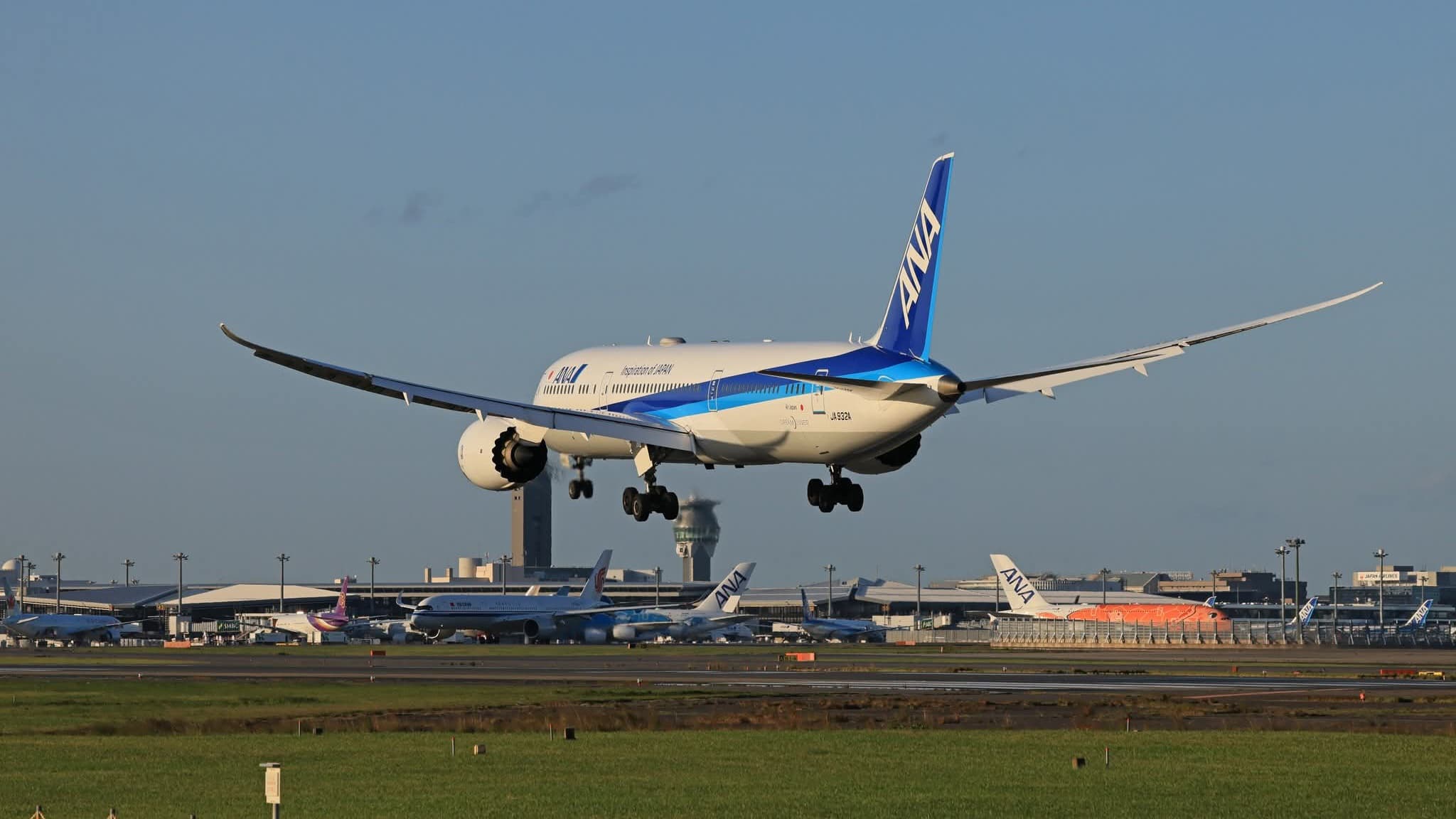
In an unprecedented move, All Nippon Airways (ANA) and Japan Airlines (JAL) have set aside their historic rivalry to publish a joint report titled *Toward Net Zero CO2 Emissions from Air Transport in 2050*. Released on May 27, 2026, the report sounds a stark warning: sustainable aviation fuels (SAF) remain marginal, accounting for just 0.6% of global jet fuel consumption in 2025. Without a rapid scale-up in production and cost reduction within five years, the aviation sector risks missing its climate targets, triggering cascading economic consequences worldwide.
**Why Japan Feels the Heat**
Aviation is a backbone of Japan's economy, generating approximately ¥17 trillion (nearly $110 billion) in annual economic activity. Beyond major hubs, air transport is vital for connecting remote regions and the archipelago's numerous islands. The country's ambitious tourism goal of 60 million international visitors hinges on stable fuel supply. The report underscores that a SAF shortage could disrupt operations, inflate costs, and undermine these strategic objectives.
**A 'Japanese Model' for SAF**
To avert a supply shock and cost explosion, ANA and JAL propose a 'Japanese model' that balances regulatory mandates with domestic production capabilities. Key elements include:
- **Phased incorporation targets** aligned with local production capacity, avoiding the rigid quotas of Europe's ReFuelEU Aviation regulation.
- **Prevention of shortages** that could disrupt flight schedules.
- **Support for a domestic SAF industry** through gradual development.
The airlines also advocate a 'co-creation' financing model, spreading the high cost of SAF across all economic stakeholders. They already offer corporate programs that allow businesses to offset or reduce emissions from business travel.
**Economic Security at Stake**
ANA CEO Juichi Hirasawa warned that delayed access to SAF poses a major strategic risk: 'We firmly call for an effective framework involving all of society to preserve Japan's aviation infrastructure and pass on a sustainable sky to future generations.' JAL President Mitsuko Tottori echoed this, stating, 'By moving forward with All Nippon Airways, our customers, and all stakeholders, we will tackle these challenges to ensure a sustainable future for air transport.' The two groups now describe themselves as the 'two wings' of Japanese aviation, emphasizing that the issue transcends commercial competition.
**Global Context: A Persistent Gap**
The report comes amid a global SAF production shortfall. According to IATA, the industry must multiply SAF output by more than 20 times by 2030 to stay on net-zero trajectories. Japan faces specific hurdles: low domestic production capacity, reliance on imports, and SAF costs still 3–5 times higher than conventional kerosene. The first joint ANA-JAL report in October 2021 already highlighted these issues; five years on, progress is deemed insufficient.