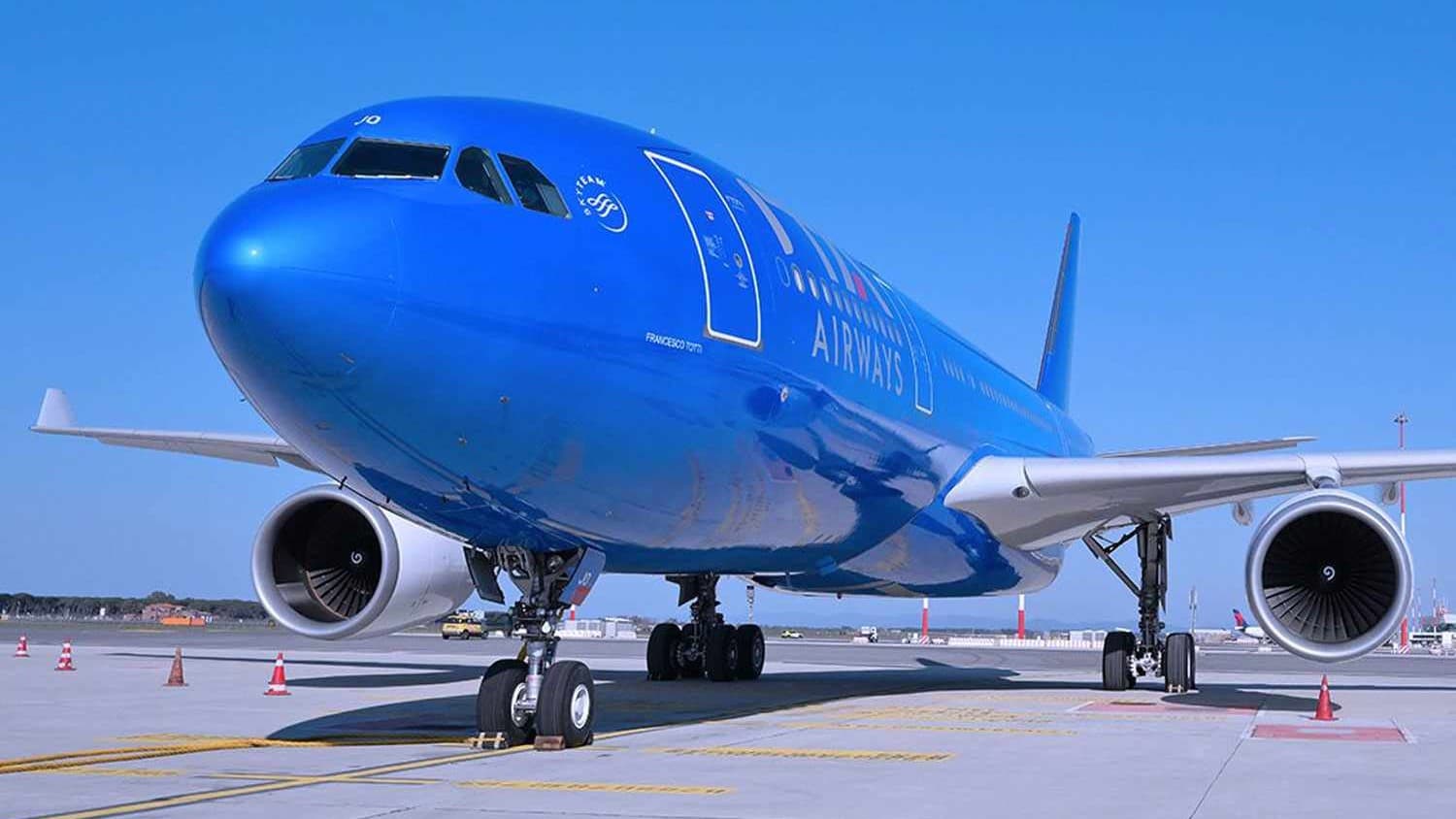
On May 2, 2026, ITA Airways launched the first nonstop service between Rome-Fiumicino (FCO) and Houston George Bush Intercontinental Airport (IAH), ending a long-standing gap in transatlantic air links between Italy and Texas. The route, operated with an Airbus A330-900neo, will run up to five times per week during the summer season, making Houston the ninth North American destination in ITA's network. This new connection is a key component of the carrier's long-haul expansion strategy, which prioritizes the North American market—now its largest international region outside Italy.
For ATPL and ATC students, this development offers a practical example of how airlines evaluate route viability. Houston, the fourth-largest U.S. city, is a global hub for energy, healthcare, and aerospace, while Rome serves as Italy's political, economic, and tourist center. The decision to launch this route reflects a dual focus on high-value business traffic—particularly in energy, aviation, aerospace, and defense—and leisure travelers seeking direct access to Italy and Europe. The flight schedule, with departures from Rome in late morning and returns from Houston in early evening, is designed to optimize connectivity via Fiumicino, which will link 22 North American airports by summer 2026.
The A330-900neo, ITA's next-generation widebody, features a three-class cabin with approximately 290 seats, including direct-aisle-access business class, premium economy, and modernized economy. The aircraft's fuel efficiency and reduced emissions per seat align with industry trends toward sustainability, a topic increasingly covered in ATPL syllabi. ITA also emphasizes its "Made in Italy" branding, with regional Italian menus and design elements, showcasing how airlines differentiate themselves in a competitive market.
From an operational perspective, the route's phased introduction—three weekly flights in May, increasing to five from June through October—demonstrates typical capacity management during the IATA summer season. For ATC trainees, the integration of a new long-haul destination into Fiumicino's hub operations and the coordination of slot allocations at both FCO and IAH provide valuable insight into airport capacity planning and intercontinental traffic flows.
In summary, ITA Airways' Rome–Houston service is more than a new route; it is a textbook case of strategic network development, fleet selection, and market analysis. ATPL and ATC students can learn from this example how airlines balance business and leisure demand, leverage hub connectivity, and deploy fuel-efficient aircraft to expand their global footprint.