**A New Chapter in European-Asian Aviation**
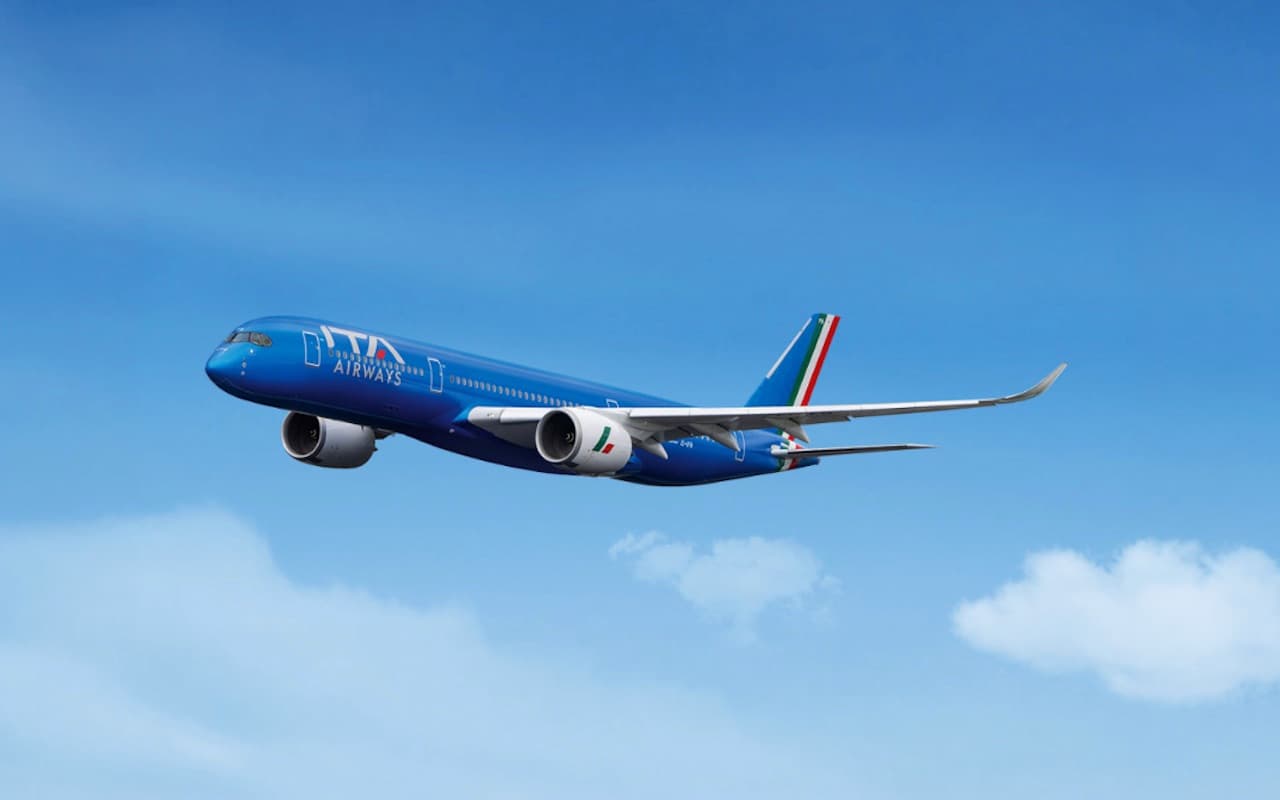
ITA Airways has taken a significant step toward full integration into the Lufthansa Group by agreeing to join the Europe-Japan joint venture (JV) with All Nippon Airways (ANA) in autumn 2026. The agreement, signed on the sidelines of the IATA Annual General Meeting in Rio de Janeiro, extends a commercial cooperation and schedule coordination framework that has been in place since 2012 between Lufthansa and ANA, later expanded to include SWISS and Austrian Airlines. For ATPL and ATC students, this development is a textbook example of how modern airline alliances evolve beyond simple codeshares into deeply integrated operational partnerships.
**Rome-Fiumicino: A Southern Gateway to Asia**
At the heart of the deal is Rome-Fiumicino Airport, which will serve as Lufthansa Group's southern hub for Asian connections. ITA Airways currently operates a daily non-stop flight to Tokyo-Haneda, a route launched in late 2022 and increased to daily frequency in 2024. From autumn 2026, this flight will be marketed not only by ITA but also by ANA, Lufthansa, Austrian Airlines, and SWISS under coordinated codeshare and scheduling. This means that a passenger from Zurich could book a single ticket to Tokyo via Rome, with seamless connections and baggage transfer. For ATC trainees, this highlights the importance of slot coordination and hub capacity management—Rome-Fiumicino will need to handle increased feeder traffic from across Europe and North Africa.
**Network Integration and Operational Impact**
The JV extends beyond the Rome-Tokyo route. ITA's European network, domestic Italian services, and routes to the Maghreb will feed into Fiumicino for Japan-bound flows. This complements ANA's existing Tokyo-Haneda to Milan-Malpensa service. For ATPL students, this is a case study in network planning: airlines must balance frequencies, aircraft types, and crew scheduling across multiple hubs. For ATC students, it means increased traffic complexity at Fiumicino, with more arrivals from southern Europe and departures to Asia, requiring efficient sequencing and airspace management.
**Harmonized Product and Passenger Experience**
The JV partners—ITA, ANA, Lufthansa, SWISS, and Austrian—will coordinate departure times, harmonize service classes, and mutualize commercial policies while remaining separate airlines. Frequent flyer programs and lounge access will be recognized across all carriers. This level of integration requires robust IT systems and operational procedures, which are essential knowledge for future aviation professionals. Understanding how joint ventures work is crucial for ATPL candidates preparing for airline interviews and for ATCs managing traffic from multiple alliance partners.
**Why This Matters for Your Training**
This announcement is not just corporate news—it reflects real-world trends in airline consolidation and network optimization. As an ATPL student, you will encounter joint ventures and alliances throughout your career, from flight planning to crew scheduling. As an ATC trainee, you will manage traffic from these integrated networks, where delays in one hub can ripple across continents. Studying this case helps you grasp the strategic logic behind route networks and the operational challenges of coordinating multiple carriers.