**A game-changing proposal for transatlantic aviation**
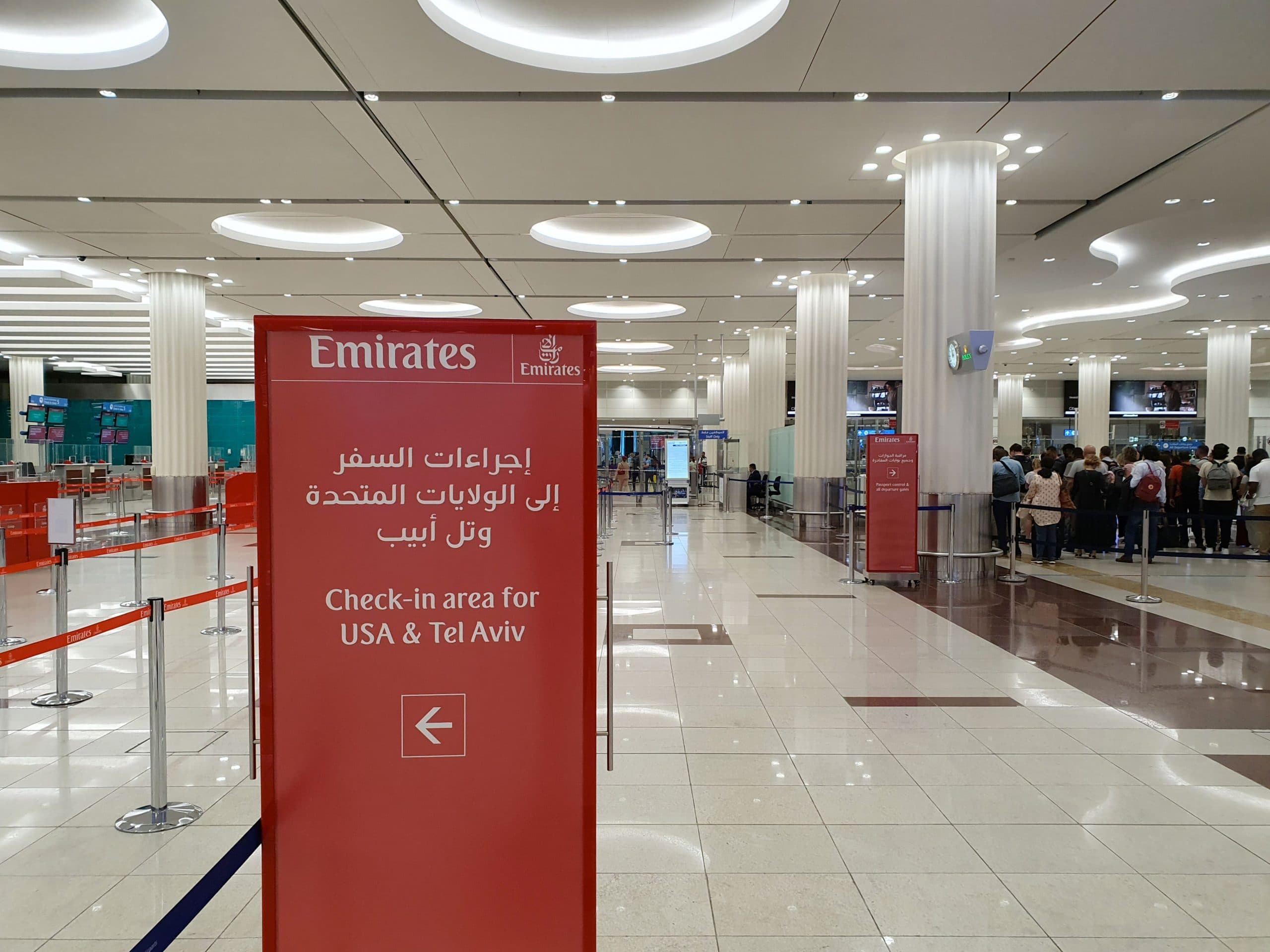
Israel has reportedly offered Emirates the opportunity to operate direct flights between Tel Aviv and New York, as well as to Bangkok, under so-called seventh-freedom traffic rights. This would allow the Dubai-based carrier to carry passengers between Israel and third countries without routing through its home hub. The proposal, first reported by Channel 12, is still in its early stages but could significantly alter the competitive landscape on one of the world's busiest long-haul routes.
**What seventh-freedom rights mean for aviation students**
For ATPL and ATC trainees, this case is a textbook example of how bilateral air service agreements shape real-world operations. Seventh-freedom rights are rare in passenger aviation, especially for non-stop services between two foreign countries. They go beyond the more common fifth-freedom rights (which allow a carrier to fly between two foreign countries as part of a route originating or ending in its home country). If granted, Emirates could base aircraft and crew at Tel Aviv's Ben Gurion Airport and operate independent long-haul flights to New York or Bangkok, completely separate from its Dubai network. This would require changes to Israeli aviation law and, crucially, approval from the US Department of Transportation, which has never granted seventh-freedom passenger rights to a foreign airline.
**Why this matters now**
The proposal comes at a time when transatlantic connectivity from Israel is severely constrained. Several US carriers suspended Tel Aviv services after the October 7, 2023 Hamas attack and subsequent conflict with Iran, leaving Israeli airlines El Al and Arkia as the main operators on the Tel Aviv–New York route. This reduced competition has led to high fares. Emirates itself suspended its Dubai–Tel Aviv flights over two years ago, though Flydubai and Etihad continue to operate. The offer is seen as a political signal tied to the Abraham Accords, which normalized relations between Israel and the UAE in 2020.
**Regulatory and competitive obstacles**
Implementing these flights faces multiple barriers. Israel must amend its aviation legislation to allow seventh-freedom rights for a foreign carrier based outside the country. The US must also agree—a precedent that would likely face strong opposition from American airlines and labor unions. Israeli carriers are expected to lobby against the move, fearing competition from Emirates' premium product, including Airbus A380 service. Analysts caution that the proposal may remain a political gesture for now, but it highlights the evolving dynamics of international air transport and the strategic importance of traffic rights.
**Takeaway for ATPL/ATC students**
This story illustrates how geopolitical events, bilateral agreements, and airline competition interact to shape route networks and pricing. Understanding traffic rights (freedom of the air) is essential for any aviation professional, as they directly impact flight planning, crew scheduling, and market access. Keep an eye on this case—it could become a landmark in aviation regulation.