Flight testing is often romanticized as a world of daring pilots and sleek aircraft, but the reality is a meticulously choreographed team effort. A recent article from NASA's Armstrong Flight Research Center provides an unprecedented look into a typical day of flight testing for the Crossflow Attenuated Natural Laminar Flow (CATNLF) project. This initiative is testing a scale-model wing designed to maximize laminar flow—the smooth, uninterrupted flow of air over a surface—which could significantly reduce drag and fuel consumption for future commercial aircraft. For ATPL and ATC students, understanding the structure and discipline of such flight tests is invaluable, as it mirrors the precision required in everyday aviation operations.
The day begins at 5 a.m. with aircraft staging, where ground crews prepare the F-15 research aircraft and any chase planes. By 6 a.m., a comprehensive crew brief brings together pilots, engineers, maintenance technicians, project leads, researchers, and photographers to review flight goals, weather reports, and final details. This collaborative briefing is a cornerstone of aviation safety, emphasizing the importance of clear communication and shared situational awareness—skills that are drilled into every ATPL student and ATC trainee.
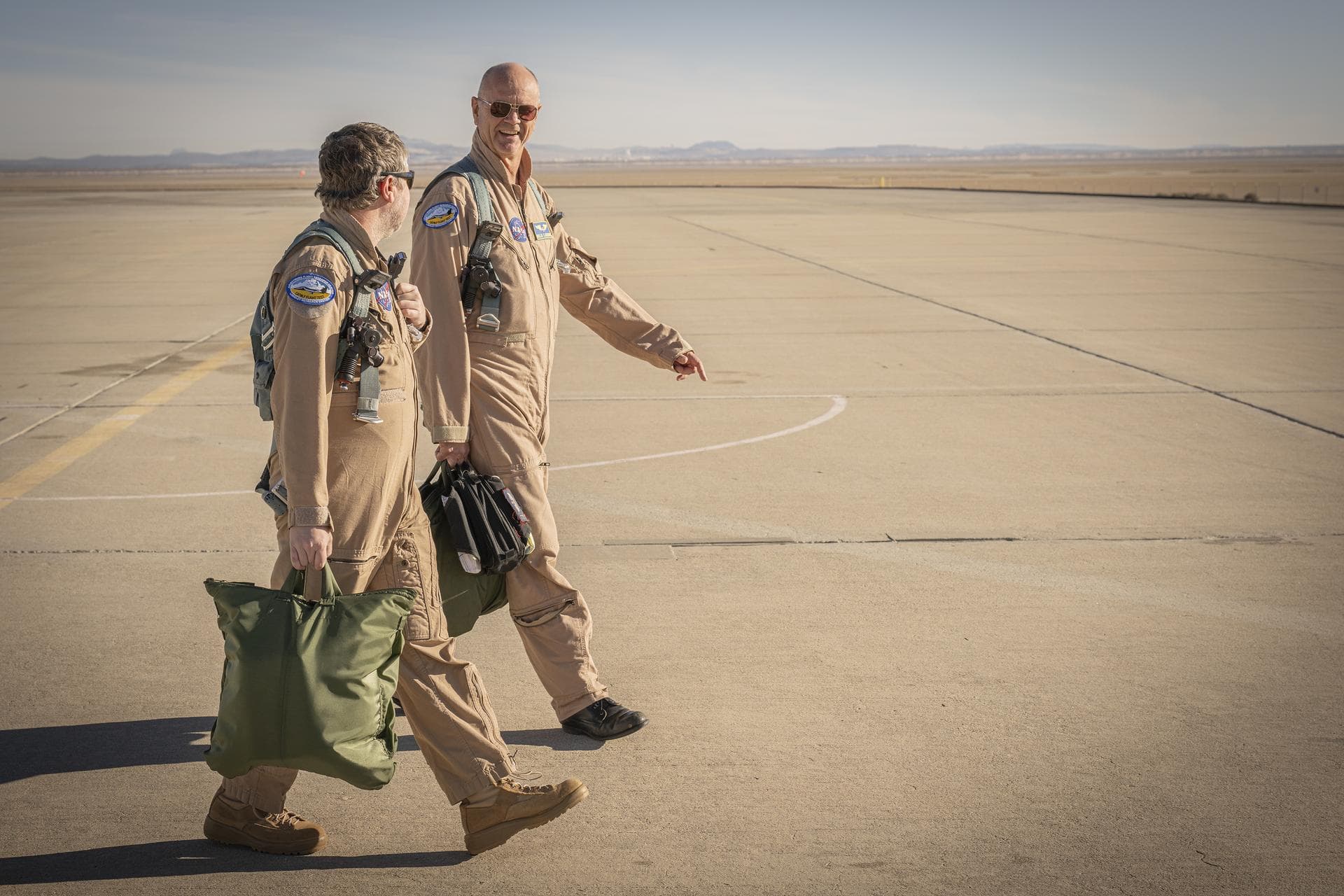
From 6:30 a.m. onward, the pace intensifies: control room checks, pilot suit-up in pressure suits and helmets, preflight inspections, and taxi. The actual flight window, from 7:30 to 8:30 a.m., is the core of the mission. The test conductor relays specific tasks—altitude, speed, maneuvers—while the pilot executes them and the control room monitors performance. After landing at 8:45 a.m., the crew debriefs at 9:30 a.m. to capture lessons learned, followed by data download and preparation for a potential second flight. This cycle of planning, execution, and debriefing is identical to the operational loops used in airline operations and ATC centers.
For ATPL students, the CATNLF project is a direct example of how aerodynamic research translates into real-world efficiency gains. Laminar flow technology could reduce airline fuel bills by double-digit percentages, directly impacting cost structures and environmental targets. For ATC students, the coordination between the test aircraft, chase planes, and Edwards Air Force Base air traffic control highlights the complexity of integrating experimental flights into controlled airspace. The rigorous pre-flight briefings and post-flight debriefs also underscore the safety culture that defines professional aviation.
In summary, this behind-the-scenes look at NASA's flight testing is more than a curiosity—it is a case study in operational excellence. The discipline, teamwork, and attention to detail on display are the same qualities that ATPL and ATC students must cultivate throughout their careers. By understanding how research flights are conducted, future aviation professionals gain a deeper appreciation for the continuous innovation that keeps the industry moving forward.