**IndiGo's Long-Haul Setback: A Case Study in Operational Realities**
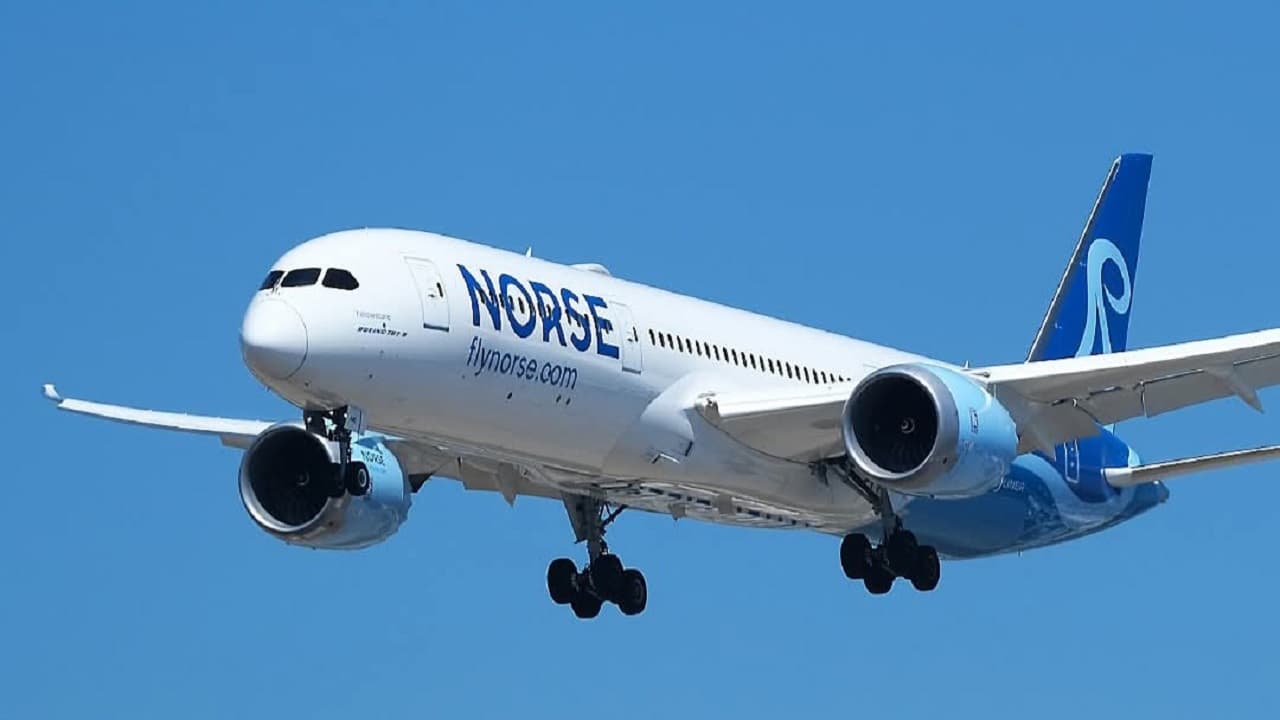
IndiGo, India's largest low-cost carrier, has announced it will return a Boeing 787-9 to Norse Atlantic Airways by August 31, 2026, reducing its leased widebody fleet from six to five aircraft. This decision, driven by rising fuel costs and geopolitical airspace restrictions, directly impacts two routes: Mumbai–Manchester (to be suspended after summer 2026) and Mumbai–Copenhagen (already halted). The move underscores the delicate balance airlines must strike between ambition and operational feasibility, a lesson directly relevant to ATPL and ATC students studying airline economics and route planning.
**Why This Matters for Aviation Training**
For ATPL students, this case illustrates the real-world impact of factors rarely covered in textbooks: airspace closures due to conflicts (e.g., Russia-Ukraine war forcing longer routings), fuel price volatility, and the strategic use of wet leases. ATC trainees can analyze how geopolitical tensions reshape air traffic flows, increasing sector times and fuel burn. IndiGo's reliance on leased Boeing 787-9s—rather than owned aircraft—shows how carriers mitigate financial risk while testing new markets, a concept central to airline business models.
**Norse Atlantic's Strategic Pivot**
Norse Atlantic Airways, the Norwegian long-haul low-cost carrier, will redeploy the returned 787-9 to its winter schedule, focusing on Southeast Asian routes, particularly to Thailand. This highlights the flexibility of the 787-9 as a platform for seasonal capacity adjustments—a key point for ATPL students learning about fleet planning and aircraft utilization. Norse Atlantic's CEO, Eivind Roald, emphasized the aircraft's profitability on Thai routes, demonstrating how route profitability can shift with geopolitical and economic conditions.
**IndiGo's Broader Strategy**
Despite this setback, IndiGo maintains several long-haul routes using Boeing 787-9s, including Mumbai–London Heathrow, Mumbai–Amsterdam, Delhi–London Heathrow, and Delhi–Manchester. The carrier is also awaiting deliveries of Airbus A321XLR and A350-900 aircraft to build a more sustainable long-haul network. This phased approach—using leased aircraft as a bridge to future owned fleets—is a classic strategy for emerging long-haul operators. For ATC students, the route adjustments offer a practical example of how network planning responds to operational constraints.
**Conclusion**
IndiGo's decision to return a 787-9 is not a retreat but a tactical adjustment. It reflects the harsh realities of long-haul operations for low-cost carriers, where thin margins amplify the impact of external shocks. For aviation trainees, this story is a reminder that airline strategy is as much about managing risks as capturing opportunities.