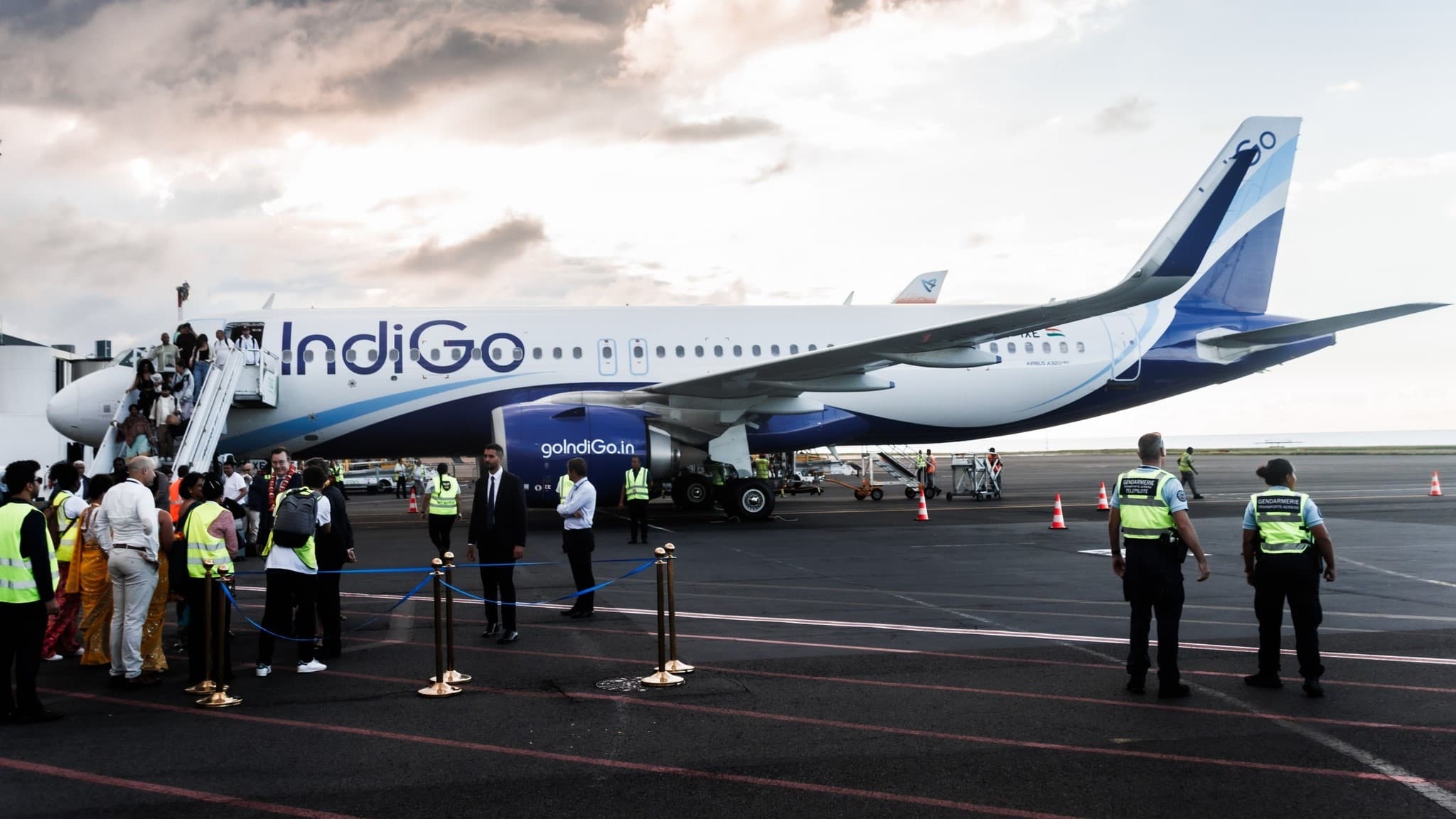
Indian low-cost carrier IndiGo has inaugurated a direct service between Chennai (MAA) and La Réunion–Roland Garros Airport (RUN), operating three times weekly with an Airbus A320. This route, launched on 29 April 2026, marks a significant step in connecting the Indian Ocean island with one of India's major economic and cultural hubs. For aviation students, this development offers a real-world case study in network expansion, fleet utilisation, and the strategic importance of point-to-point connections in a competitive market.
From an ATPL perspective, the route highlights several key operational considerations. The flight times—departing Chennai at 12:20 local and arriving in Réunion at 17:10, with the return leg leaving at 18:10 and landing back in Chennai at 02:10 the next day—demonstrate the challenges of scheduling across time zones and the need for efficient turnaround planning. ATC students can analyse how such a medium-haul international service integrates into existing airspace structures, particularly given Réunion's position as a French overseas department with its own air traffic control procedures. The use of an A320, a common type in ATPL training, underscores the importance of understanding aircraft performance on routes that stretch beyond typical short-haul operations.
IndiGo's strategy of deploying narrow-body aircraft on medium-haul international routes is a textbook example of cost-effective network design. The airline now operates over 2,200 flights daily with a fleet of more than 400 aircraft, serving 95 domestic and 40 international destinations. For students, this expansion illustrates how carriers balance capacity, frequency, and operational efficiency. The Chennai–Réunion link also becomes IndiGo's 46th international destination and the 13th from Chennai, reinforcing the city's role as a strategic hub for the Indo-Pacific region.
For La Réunion, the direct connection reduces travel time for passengers who previously had to transit through other hubs, boosting tourism, business ties, and family visits for the island's significant Indian diaspora. This route is a practical example of how air transport drives regional economic development—a topic often covered in aviation management modules. ATPL candidates can also explore the regulatory environment: as a French overseas department, Réunion falls under European aviation rules (EASA), while Chennai operates under Indian DGCA regulations, adding a layer of complexity to route planning and crew licensing.
In summary, this new service is more than a commercial announcement—it is a living case study for anyone training in aviation. From network strategy and aircraft performance to airspace integration and regulatory compliance, the Chennai–Réunion route offers valuable lessons for future pilots and controllers. MyATPS encourages students to follow such developments closely, as they reflect the dynamic nature of the industry they are preparing to enter.