The aviation industry is undergoing a significant transformation with the arrival of the Airbus A321XLR, a single-aisle aircraft capable of long-haul flights. Indian carrier IndiGo is at the forefront of this trend, deploying its second A321XLR on the Delhi-Istanbul route starting April 19, 2026. This route is considered strategic by the airline, as it offers seamless connections to over 50 international destinations via the Istanbul hub and a codeshare partnership with Turkish Airlines.
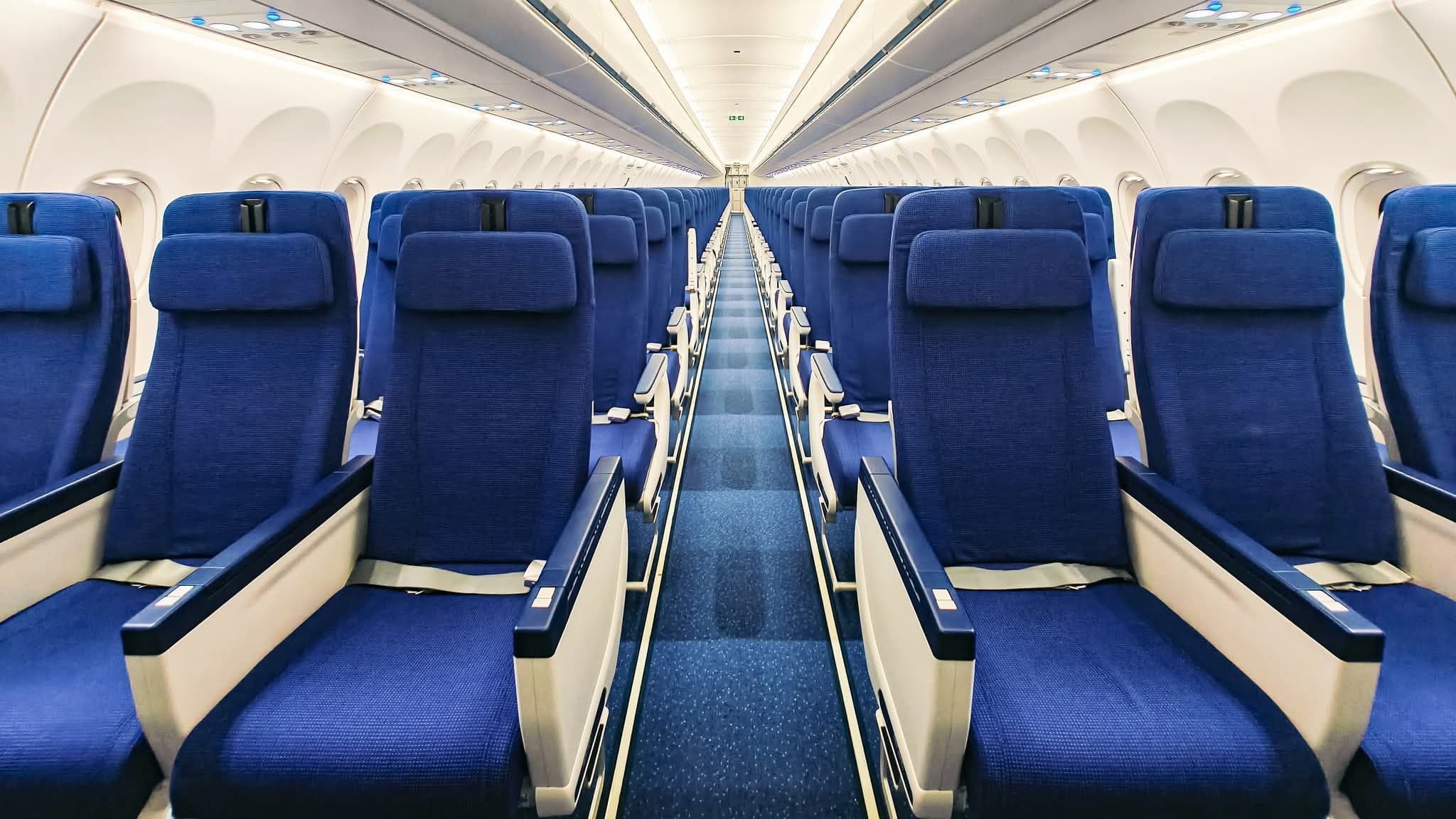
The Delhi-Istanbul flight will be operated non-stop, providing a gain in comfort and travel time. The A321XLR's two-class configuration will offer 183 economy seats and 12 'IndiGoStretch' seats, presented by the airline as its customized business product. Passengers in both cabins will benefit from hot meals and beverages inspired by local and international cuisines.
IndiGo's A321XLR is equipped with a state-of-the-art digital entertainment system, accessible via streaming on passengers' personal devices. Travelers can access a wide catalog of content, including Indian and international movies, series, games, anime, and other programs. In addition to the onboard product, IndiGo highlights the possibility of personalizing one's journey through options like UpFront and Flexi.
The arrival of the A321XLR marks a major milestone in IndiGo's international development strategy. The airline has a firm order for 40 A321XLRs, with nine deliveries expected in 2026, and plans to deploy them gradually on other long-haul routes such as Istanbul, Denpasar (Bali), and future destinations in Europe and East Asia.
This development is important for aviation students, as it demonstrates how airlines can utilize new technologies to enhance the passenger experience and reduce costs. Future pilots and air traffic controllers will need to be able to understand the implications of these changes on the aviation industry and integrate them into their training.
In terms of safety, the arrival of the A321XLR also poses challenges, as airlines will need to ensure that crews are trained to operate these new aircraft and that passengers are informed of safety procedures. Aviation students will need to be aware of these issues and be able to address them effectively.
Finally, the arrival of the A321XLR is an example of the importance of continuous training in the aviation industry. Airlines will need to invest in crew training to ensure they are able to operate these new aircraft safely and efficiently. Aviation students will need to be prepared to learn and adapt to new technologies and challenges emerging in the industry.
The introduction of the A321XLR is a significant step forward for the aviation industry, and its impact will be felt by airlines, passengers, and aviation students alike. As the industry continues to evolve, it is essential for aviation students to stay up-to-date with the latest developments and be prepared to adapt to the changing landscape of air travel.
In conclusion, the deployment of the A321XLR by IndiGo marks a new era in long-haul travel, offering passengers a unique combination of comfort, convenience, and connectivity. As the aviation industry continues to grow and evolve, it is essential for airlines, regulators, and aviation students to work together to ensure that the benefits of these new technologies are realized while maintaining the highest standards of safety and efficiency.