**IndiGo’s strategic retreat from wide-body operations**
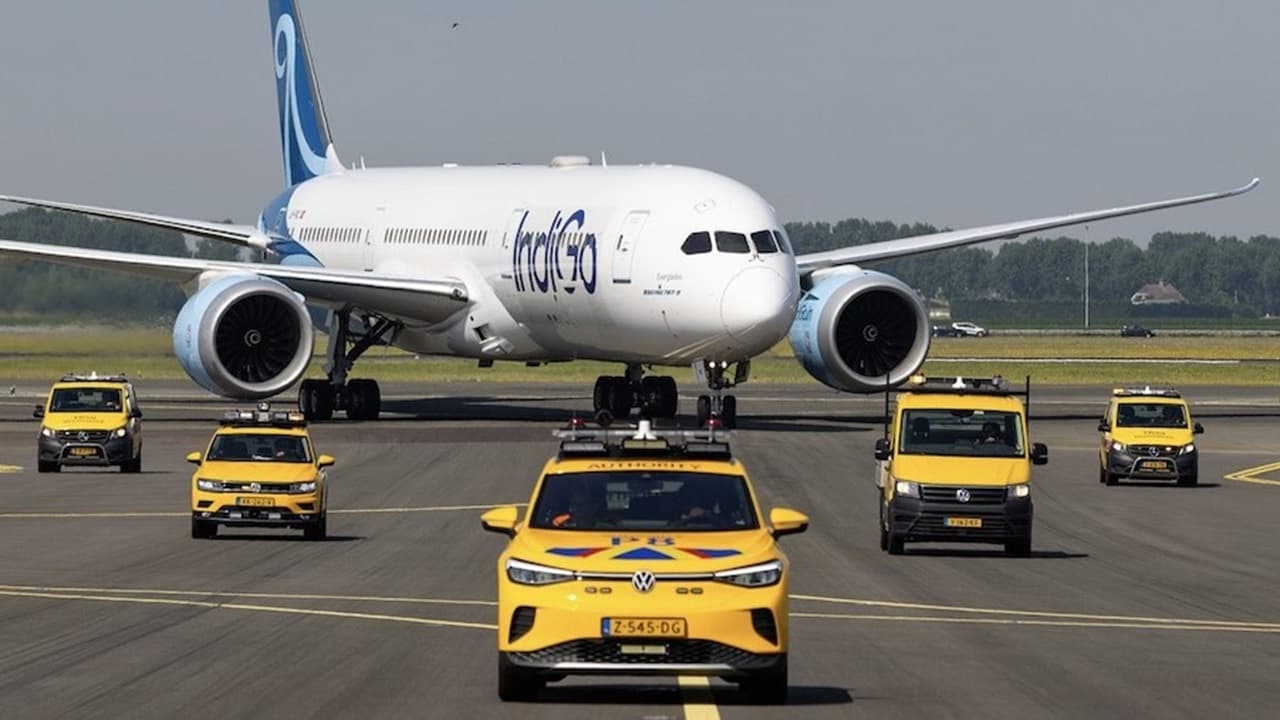
IndiGo, India’s largest low-cost carrier, has confirmed it will terminate its ACMI (Aircraft, Crew, Maintenance, and Insurance) agreement with Norwegian carrier Norse Atlantic Airways, effective November 1, 2026. The deal, which covered six Boeing 787-9 Dreamliners delivered progressively since early 2025, was intended to support IndiGo’s entry into long-haul routes connecting India with the UK and continental Europe. However, the airline has decided to return all six aircraft, with the first already handed back in late August following the closure of its Manchester service. The remaining five will be redelivered by the end of October 2026, and IndiGo will suspend all wide-body operations from October 25, shifting to an all-Airbus narrow-body fleet.
**Why the ACMI deal collapsed**
The decision, described as "mutual" by both airlines, stems from persistent geopolitical challenges affecting long-haul operations between India and Europe. Rising fuel prices, airspace restrictions in the Middle East, and longer routings have undermined the commercial viability of the ACMI arrangement. For IndiGo, the 787 program was always positioned as a "bridge strategy" to gain long-haul experience before its own wide-body fleet arrived. Abhijit Dasgupta, IndiGo’s Vice President of Planning and Revenue Management, emphasized that the project was never meant to serve only specific routes but to lay the groundwork for future long-haul operations. The airline remains committed to expanding its medium- and long-haul network, relying on the Airbus A321XLR for European routes and the A350-900 for the next growth phase.
**Impact on IndiGo’s network**
From October 25, IndiGo will operate its Mumbai–Amsterdam route with the A321XLR, while flights to London-Heathrow will be temporarily suspended until the first A350-900 deliveries arrive. This marks a significant shift for an airline that has traditionally been a domestic and regional player. The move allows IndiGo to maintain a presence on key European routes while avoiding the high costs associated with wide-body operations. For ATPL students, this case illustrates how airlines use ACMI agreements as flexible tools to test markets without long-term capital commitments, and how geopolitical factors can rapidly alter fleet planning.
**Norse Atlantic’s new opportunities**
For Norse Atlantic, the return of the six Dreamliners frees up capacity that can be redeployed. The ACMI contract had guaranteed 350 flight hours per aircraft per month, providing predictable revenue and reducing exposure to demand fluctuations. CEO Eivind Roald noted that the return opens strategic opportunities previously unavailable, given strong demand for modern, fuel-efficient long-haul aircraft. Norse is already in discussions with several airlines to place up to five of the aircraft under new ACMI contracts, and plans to allocate some to its own transatlantic network, including routes to Orlando and New York. This flexibility is part of a broader strategic review that could lead to a sale, merger, or new partnership. The end of the IndiGo deal underscores the volatile nature of the ACMI market, where geopolitical and economic factors can reshape agreements overnight.
**Lessons for aviation trainees**
This development is a textbook example of how airlines balance risk and opportunity in long-haul operations. For ATPL students, it highlights the importance of understanding ACMI structures, the role of geopolitical risks in route planning, and the strategic use of different aircraft types. For ATC trainees, the mention of airspace restrictions in the Middle East serves as a reminder of how geopolitical tensions can impact flight planning and airspace management. As IndiGo transitions to its own wide-body fleet, the industry will watch closely to see how the A350-900 performs on these demanding routes.