The International Monetary Fund (IMF), the World Bank, and other global institutions have issued a stark warning: if maritime traffic through the Strait of Hormuz does not normalize soon, the world could face an oil shortage as early as this summer. The Strait of Hormuz handles roughly 20% of global oil shipments, and ongoing conflict involving the United States, Israel, and Iran has severely restricted traffic through this strategic chokepoint. According to a joint statement from the IMF, the World Bank, the International Energy Agency (IEA), and the World Trade Organization (WTO), global oil stocks are depleting at a record pace due to the loss of major deliveries through the strait. If the situation persists, the continued decline in reserves would pose an increased risk to energy security and the broader economy.
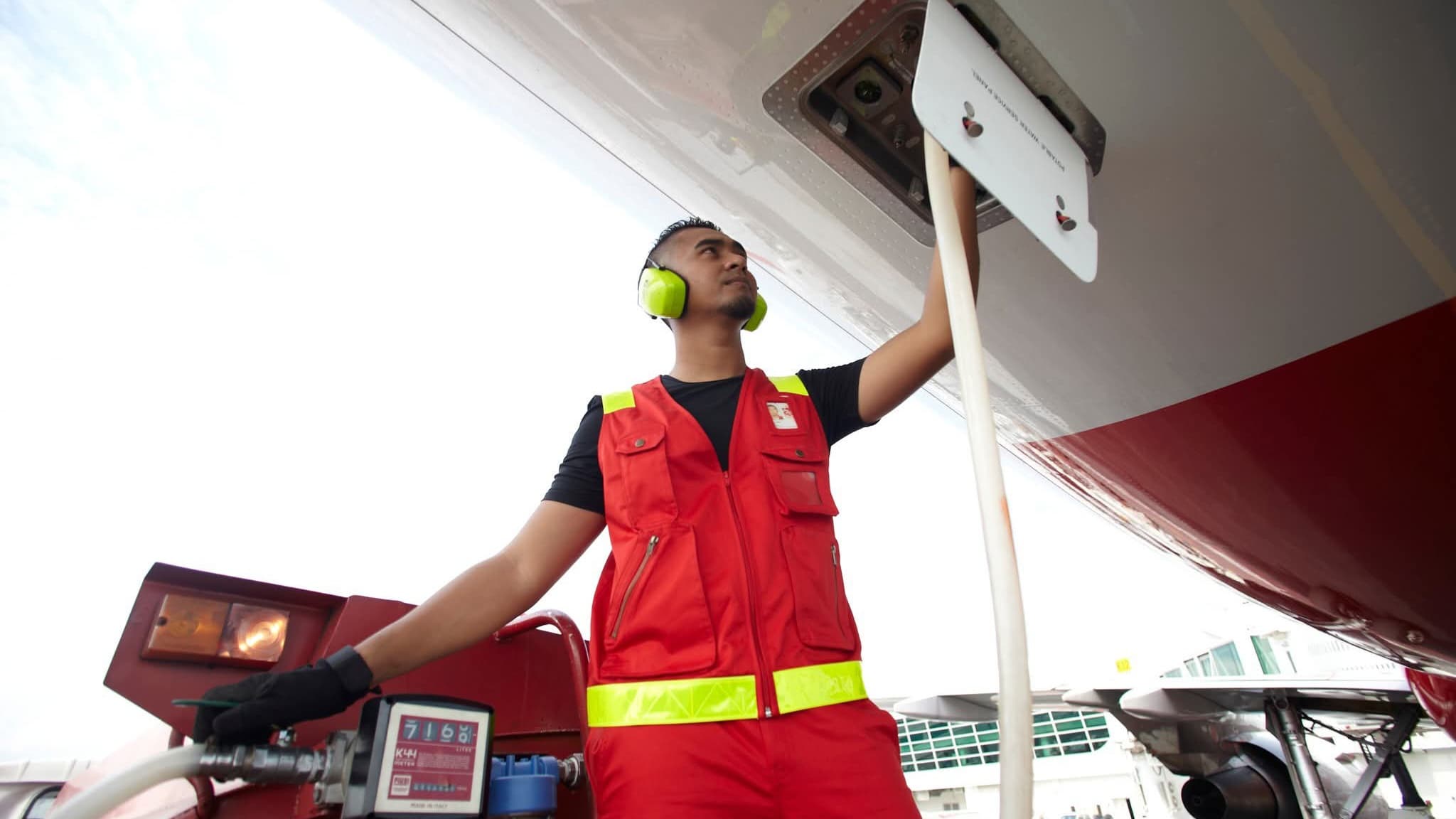
For the aviation industry, the implications are immediate and severe. Jet fuel accounts for 25% to 35% of an airline's operating costs, making carriers extremely vulnerable to oil price volatility. Since the onset of the Middle East crisis, the cost of jet fuel has more than doubled in some periods, putting direct pressure on airfares. In May, several airlines were already reducing seat capacity and adjusting flight schedules to preserve profitability. A full-blown shortage or another price spike would force even more drastic measures: capacity cuts, costly rerouting, and higher ticket prices. Asian carriers, which rely heavily on Gulf oil supplies, are particularly exposed.
From an operational perspective, airlines have limited tools to absorb such a shock. They can use financial hedging, optimize flight plans, deploy more fuel-efficient aircraft, or reduce frequencies on less profitable routes. But these buffers have their limits. The international organizations warn that a prolonged drawdown of stocks before the summer demand peak could force some operators to sharply curtail their activities. Long-haul, fuel-intensive routes—especially intercontinental flights—would be hit hardest, with ticket prices likely to rise and capacity concentrating on the most popular routes.
For ATPL and ATC students, this scenario is a powerful real-world case study. It illustrates how geopolitical events directly impact fuel costs, route planning, and airline economics—factors that shape daily decisions in the cockpit and the control tower. Understanding these dynamics is essential for future pilots and controllers who will need to adapt to volatile operating environments and make informed decisions about fuel management, flight planning, and operational priorities.