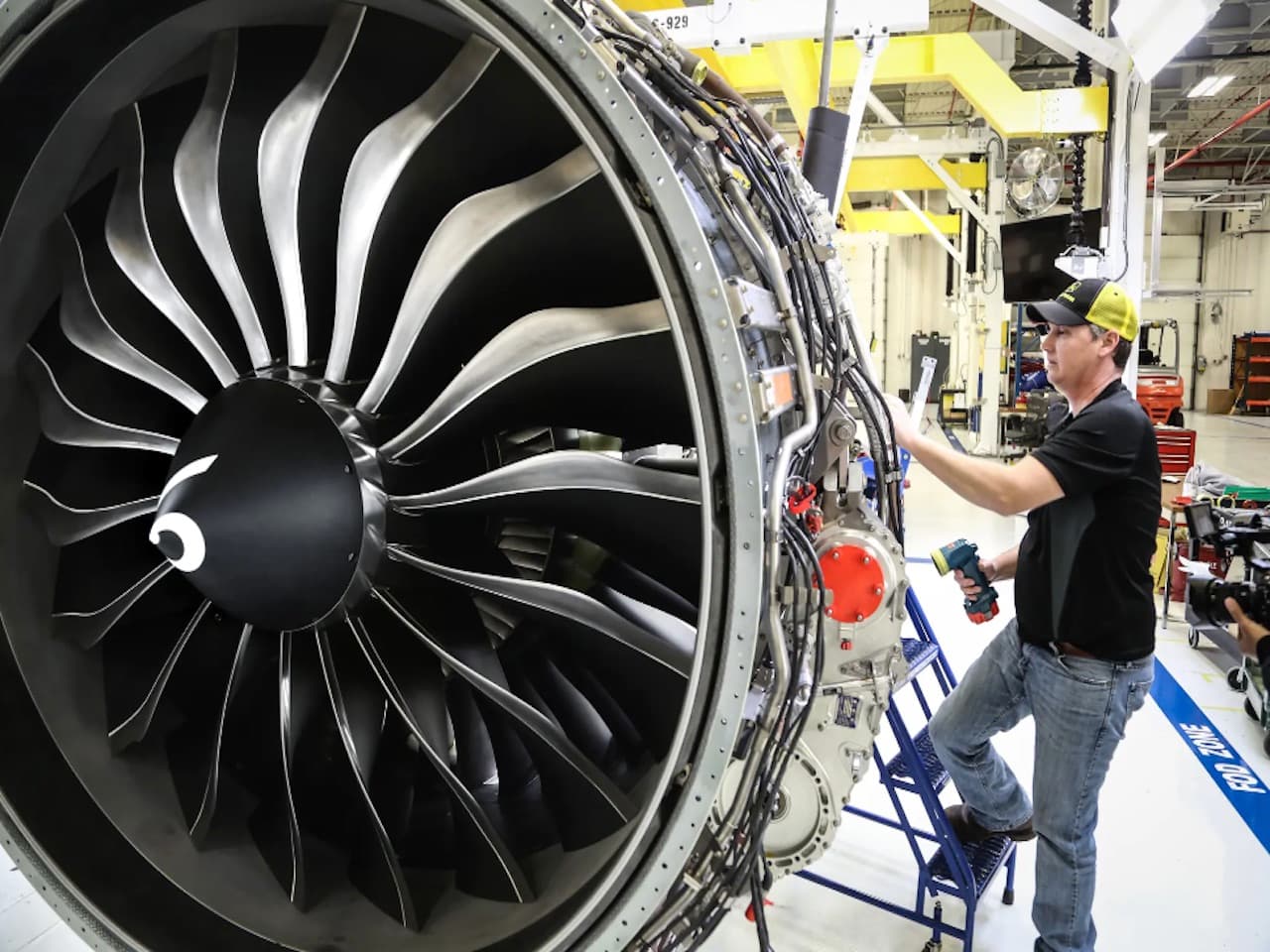
Iberia, part of International Airlines Group (IAG), has been awarded a CFM LEAP Premier MRO license, making it a central player in the maintenance, repair, and overhaul (MRO) of next-generation LEAP engines in Europe. This license covers the LEAP-1A and LEAP-1B models, which power the majority of Airbus A320neo and Boeing 737 MAX aircraft, as well as the COMAC C919. Starting in 2027, Iberia's La Muñoza workshop near Madrid-Barajas Airport will ramp up to handle these engines, aiming to become a key hub not only for IAG carriers like British Airways and Vueling but also for third-party operators globally. The move aligns with Iberia's 'Flight Plan 2030', which involves over €6 billion in investments to enhance operational resilience and profitability through industrial activities.
For aviation professionals, this development underscores the growing importance of LEAP engines in the global fleet, with over 4,600 aircraft already equipped. As these engines become standard on narrow-body jets, their maintenance demands will surge, particularly towards the end of the decade. Iberia's hub will be one of only seven specialized LEAP MRO centers worldwide, highlighting the strategic shift towards centralized, high-tech maintenance ecosystems. This trend reflects broader industry efforts to improve fuel efficiency and reduce emissions, with LEAP engines offering significant advancements over previous generations.
From a training perspective, ATPL and ATC students should note how such MRO expansions impact fleet reliability and operational planning. Enhanced maintenance capabilities at hubs like La Muñoza can lead to shorter turnaround times and fewer technical delays, influencing flight scheduling and air traffic management. Moreover, the CFM LEAP Premier MRO program includes top-tier training and technical support, signaling opportunities for specialized certifications in engine maintenance. As airlines invest in these infrastructures, understanding MRO networks becomes crucial for pilots and controllers to anticipate maintenance-related disruptions and optimize fleet performance.
In summary, Iberia's role as a LEAP MRO hub marks a significant step in Europe's aviation industry, driven by the rapid adoption of next-generation engines. This initiative not only boosts IAG's competitive edge but also sets a precedent for how airlines integrate MRO into long-term strategic plans. For students, it illustrates the interconnectedness of engine technology, maintenance logistics, and operational efficiency in modern aviation.