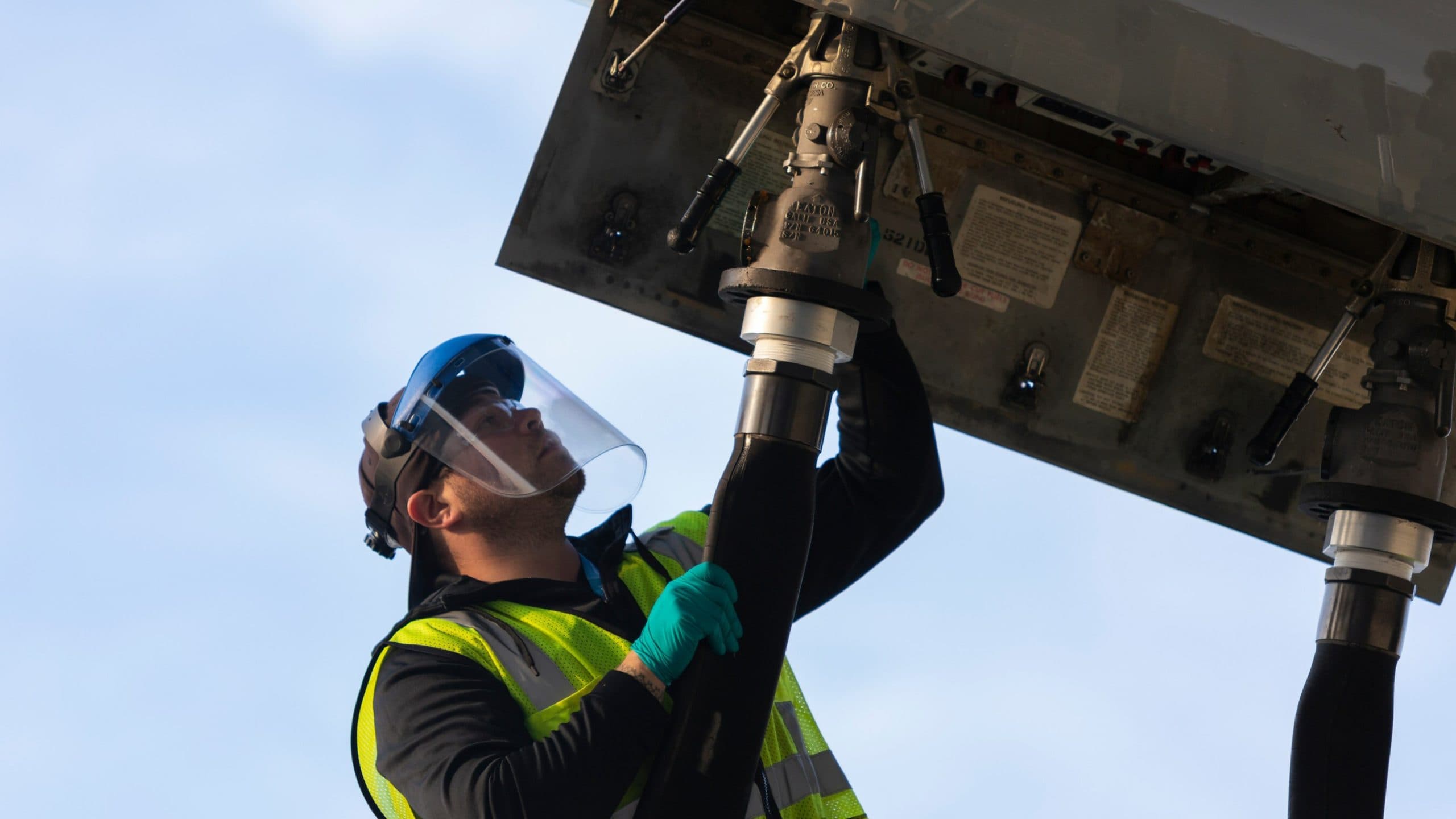
The International Air Transport Association (IATA) has issued a stark warning: global production of sustainable aviation fuel (SAF) is expected to reach only 2.4 million tonnes in 2026, representing a mere 0.8% of total jet fuel consumption. This comes at a cost of $4.3 billion for airlines, yet falls far short of the industry's commitment to achieve net-zero carbon emissions by 2050, where SAF was supposed to cover up to 65% of energy needs.
Willie Walsh, IATA's Director General, described the outlook as "another disappointing year for SAF production," noting that five years after the net-zero pledge, the industry is still at 0.8%. The association blames poorly sequenced government policies and a lack of interest from oil companies. To accelerate progress, IATA has outlined four priorities: boosting renewable energy production, opening fuel infrastructure to competition, implementing coherent support policies before mandates, and developing a global SAF market through a book-and-claim system.
A particular concern is the European push for synthetic e-SAF (power-to-liquid). The EU and UK have set a target of 0.6 million tonnes by 2030, but current global capacity stands at just 0.02 million tonnes, with only one operational plant. IATA's chief economist, Marie Owens Thomsen, called these targets "totally unrealistic" and warned that imposing mandates before production is viable will only drive up prices. She highlighted the paradox of Europe having some of the highest renewable electricity costs globally, making e-SAF economically challenging.
Despite these hurdles, public support for decarbonization remains strong. An IATA survey from April 2026 found that 89% of passengers believe aviation must continue reducing emissions, and 66% are willing to pay more for offsets. However, 48% already consider CO2 emissions when choosing flights, and over 85% say this influences their decision. This indicates that sustainability is becoming a competitive factor for airlines.
For ATPL and ATC students, this news is directly relevant. Understanding SAF limitations and regulatory frameworks is essential for future pilots and controllers who will operate in an environment shaped by carbon constraints. Fuel planning, cost management, and operational efficiency will increasingly involve SAF availability and pricing. Moreover, ATC procedures may evolve to prioritize fuel-efficient routings or integrate with carbon offset schemes. Staying informed about these developments is not just academic—it will affect daily operations and career prospects.