**Why this matters for aviation professionals**
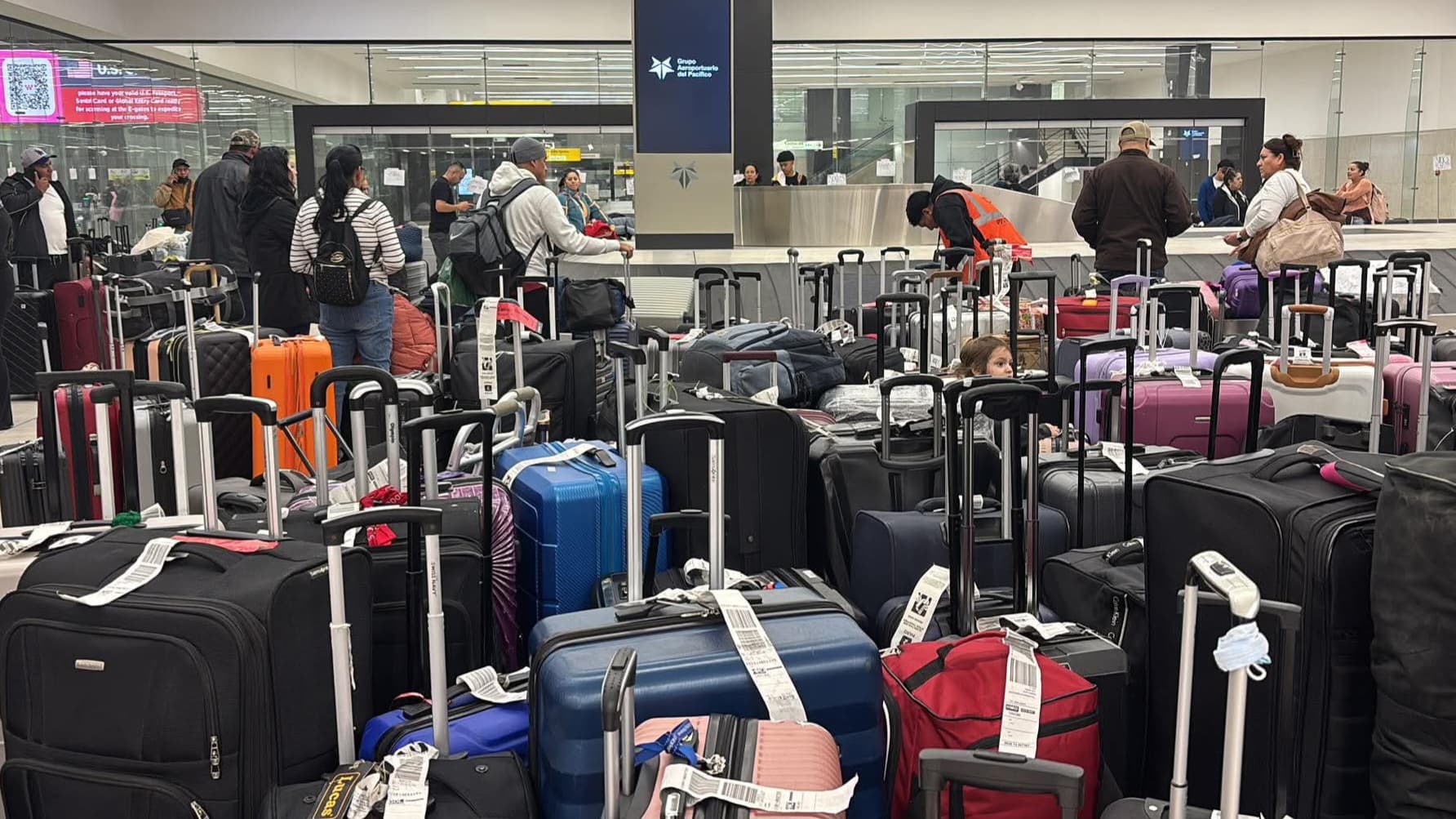
The International Air Transport Association (IATA) has sounded the alarm on a growing baggage crisis: more than 33 million bags were mishandled worldwide in 2024, according to SITA. The root cause, IATA argues, is not just rising passenger numbers but obsolete IT systems still relying on teletype-era “Type B” messages. To fix this, IATA is launching the Baggage Community System (BCS) and the Baggage Information eXchange (BIX) standard. For ATPL and ATC students, this is a textbook case of how legacy infrastructure can bottleneck operational efficiency—and how industry-wide digitalization is the only way forward.
**What BCS and BIX actually do**
BCS is a secure digital platform that acts as a bridge between old and new systems. It allows airlines, airports, and ground handlers using Type B messages to exchange data in real time with those already adopting BIX. BIX, in turn, enables tracking at every key step: check-in, security, loading, transfer, and final delivery. The result is richer, more reliable data that can flag a delayed or misdirected bag almost instantly. IATA emphasizes that BCS is not a magic switch—it’s a transitional tool that lets early adopters benefit without losing connectivity with legacy users. Full deployment is expected by Q3 2026, with major carriers and hubs already testing.
**Operational impact and the human factor**
For pilots and controllers, baggage mishandling may seem like a ground-side issue, but it has ripple effects: delayed bags cause passenger complaints, rebooking costs, and even aircraft delays when baggage loading is held up. In Europe alone, over 10 million bags were lost or delayed in a single year, with peaks during high-traffic periods. London Heathrow, handling nearly 80 million passengers annually, regularly sees baggage meltdowns during surges. IATA’s push for BCS/BIX is a reminder that aviation is a system of systems—and that ground operations are just as critical as flight operations.
**What this means for your training**
As future ATPL holders or ATC officers, you will work in an environment where data flows seamlessly—or not. Understanding how baggage messaging standards evolve is not just trivia; it’s a glimpse into the broader digital transformation of aviation. From electronic flight bags to digital NOTAMs, the industry is moving away from paper and legacy protocols. BCS and BIX are part of that wave. Knowing how these systems interconnect will help you appreciate the complexity behind every smooth turnaround—and the cost of every breakdown.
**The bigger picture: trust and efficiency**
Beyond the technical details, IATA’s initiative is about restoring passenger confidence. Each lost bag erodes trust in airlines and airports. By modernizing baggage messaging, the industry hopes to cut mishandling rates, reduce costs (billions of dollars annually), and improve the travel experience. For students, this is a case study in how technology, regulation, and customer expectations converge to drive change in aviation.