**Industry Context: Why the IATA AGM Matters**
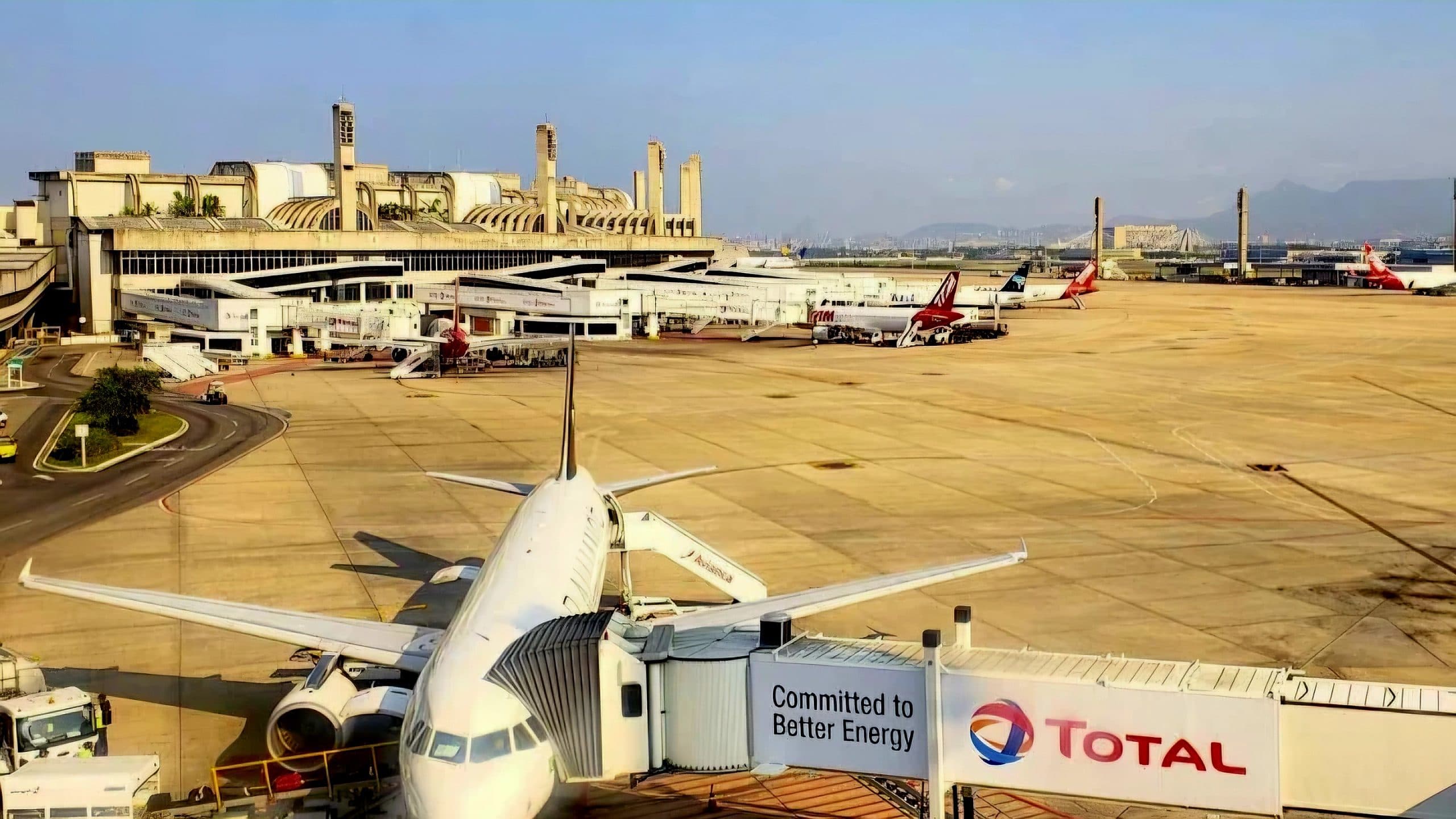
The 82nd IATA Annual General Meeting, hosted by LATAM Airlines in Rio de Janeiro from June 6–8, 2026, is more than a high-level networking event. It is a barometer for the entire aviation industry. With nearly 1,500 airline CEOs, government officials, and supply-chain stakeholders attending, the agenda reflects the most pressing challenges airlines face today: shrinking margins, rising operational costs, and a volatile geopolitical landscape. For ATPL and ATC students, understanding these macro trends is essential because they directly influence route planning, fuel management, airspace security, and the regulatory environment you will operate in.
**Key Challenges: Costs, Conflicts, and SAF**
A central theme is the financial pressure on airlines. Fitch Ratings recently downgraded the global airport sector outlook from "neutral" to "deteriorating," citing geopolitical tensions and energy costs. Airlines are struggling with higher labor, maintenance, and financing expenses. Meanwhile, regional conflicts—especially in the Middle East—threaten airspace security and fuel supply. The war in Iran could cause kerosene shortages, forcing airlines to adapt fuel types regionally. This is a real-world scenario for ATCs managing rerouted flights and for pilots planning alternate fuel stops. Another critical topic is Sustainable Aviation Fuel (SAF). IATA Director General Willie Walsh stressed the need to bridge the gap between SAF production potential and airline demand. If SAF supply lags behind government mandates, ticket prices could spike—a factor that affects passenger demand and, consequently, flight schedules and crew planning.
**Passenger Rights and Regulatory Burden**
The AGM also addresses passenger psychology under stress, data regulation, and rising onboard incidents. Airlines warn that cumulative taxes, environmental surcharges, and regulatory constraints—especially in Europe—are hurting demand and connectivity. Several carriers have already cut capacity or cancelled routes for summer 2026. For ATPL students, this means fewer job opportunities in certain regions and a greater emphasis on cost-efficient operations. ATC students should note that reduced capacity can lead to less congested airspace, but also to network adjustments that require flexible rerouting.
**Brazil: A Growth Market Amid Headwinds**
Brazil serves as a positive example: 9 million international visitors in 2025, aviation contributing 2.1% of GDP, and 1.9 million jobs. LATAM CEO Roberto Alvo highlighted aviation as a catalyst for growth, but acknowledged the need to create conditions for sustained development despite headwinds. This case study is valuable for students learning about aviation economics and the interplay between national policies and airline strategies.
**MyATPS Angle: Concrete Impact for Students**
For ATPL candidates, the SAF debate directly affects future fuel planning and cost calculations. The geopolitical risks discussed mean you must be proficient in contingency fuel management and alternate airport selection. For ATC trainees, the focus on airspace security and conflict zones underscores the importance of NOTAM interpretation and real-time rerouting. The passenger rights discussion also hints at stricter crew resource management (CRM) requirements to handle onboard stress. Stay tuned to MyATPS for deeper dives into how these industry shifts translate into exam topics and operational procedures.