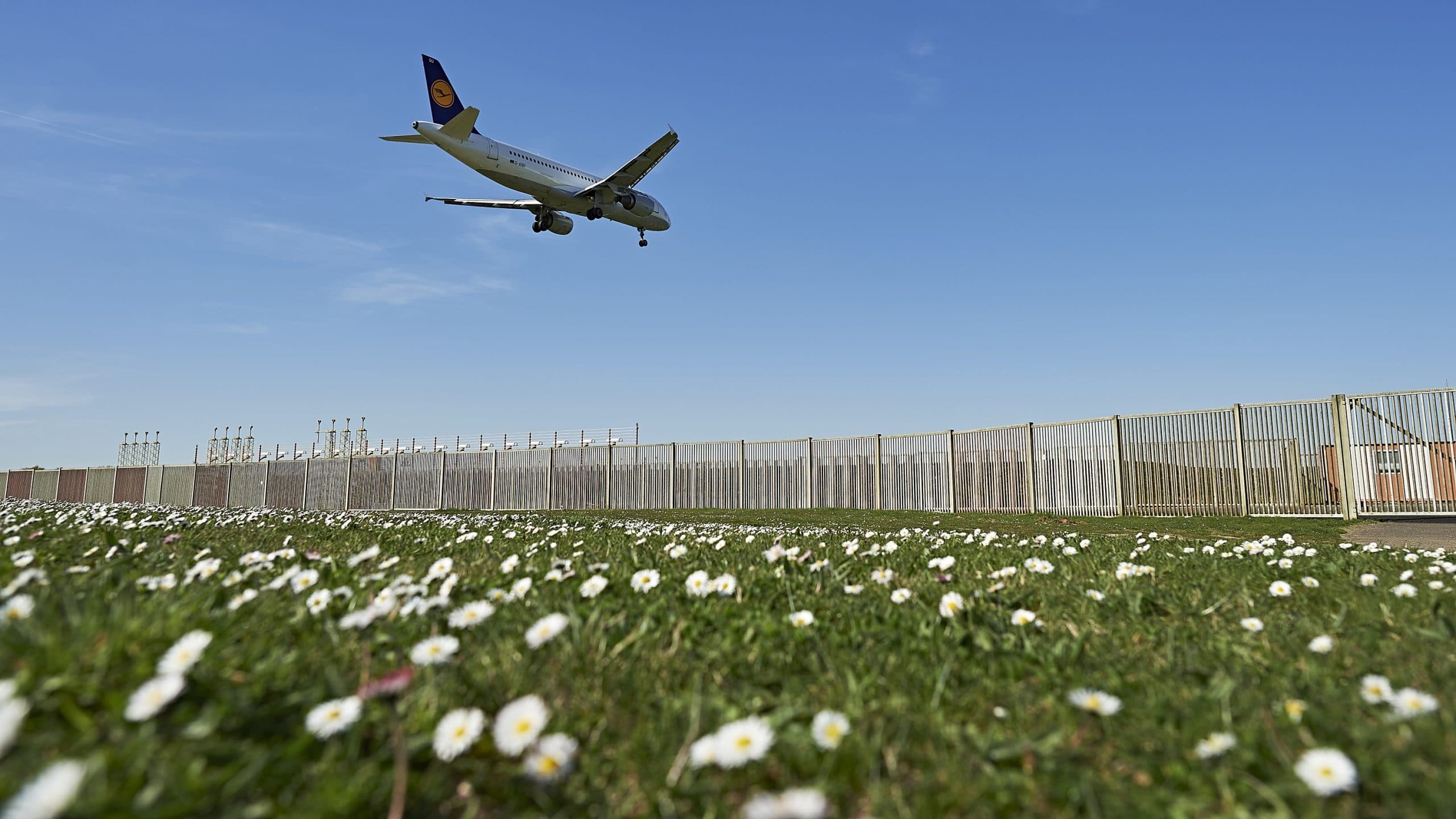
Brussels Airlines has achieved a 50% reduction in noise pollution from its fleet since 2014, a milestone largely attributed to the introduction of the Airbus A320neo and the gradual retirement of older aircraft. This achievement is part of a broader strategy, developed in collaboration with Brussels Airport (Zaventem), aimed at limiting the acoustic impact of air traffic on local residents while maintaining the connectivity of the Brussels hub.
**The Role of the A320neo**
The A320neo is central to this acoustic transition. According to Brussels Airlines, this model consumes up to 20% less fuel, reduces CO2 emissions, and cuts noise by 50% compared to previous-generation A320ceo aircraft. The new narrowbody is progressively replacing older A319/320s while offering more seats, which reduces fuel consumption per passenger by approximately 30%. CEO Dorothea von Boxberg emphasized that the A320neo "significantly reduces noise and CO2 footprint" compared to the current A320 generation, calling it "a new step" in the airline's sustainability strategy.
**Fleet Modernization and Regulatory Pressure**
Brussels Airlines has taken delivery of eight A320neos since 2023, with orders for a total of 13. The airline's fleet will eventually consist of 46 aircraft, with a growing share of next-generation models. This noise reduction comes amid political debates over Brussels Airport's environmental permit. In March 2024, a new permit limited movements to 240,000 per year by 2032, but it was annulled in July 2025, allowing operations until June 30, 2029, while a "balanced approach" procedure mandated by EU regulations is conducted.
**Airport-Level Incentives and Ground Measures**
Brussels Airport has implemented a pricing policy since 2004 that varies landing fees based on aircraft noise efficiency. Since 2023, the noisiest aircraft can pay up to 20 times more than the quietest. This financial incentive has increased the share of flights operated with low-noise aircraft from 20% in 2016 to 42% in 2025. Additionally, the airport is building a dedicated engine test area with noise barriers and expanding the use of electric ground handling equipment to further reduce noise around gates.
**What This Means for ATPL and ATC Students**
For ATPL students, this case illustrates how fleet renewal decisions directly impact operational planning, fuel efficiency, and environmental compliance. Understanding the noise performance of aircraft like the A320neo is crucial for flight planning and performance calculations. For ATC students, the regulatory framework around noise—such as movement caps and balanced approach procedures—affects airspace design, slot allocation, and daily traffic management. The Brussels example shows how airports and airlines collaborate to balance growth with environmental constraints, a reality future aviation professionals must navigate.