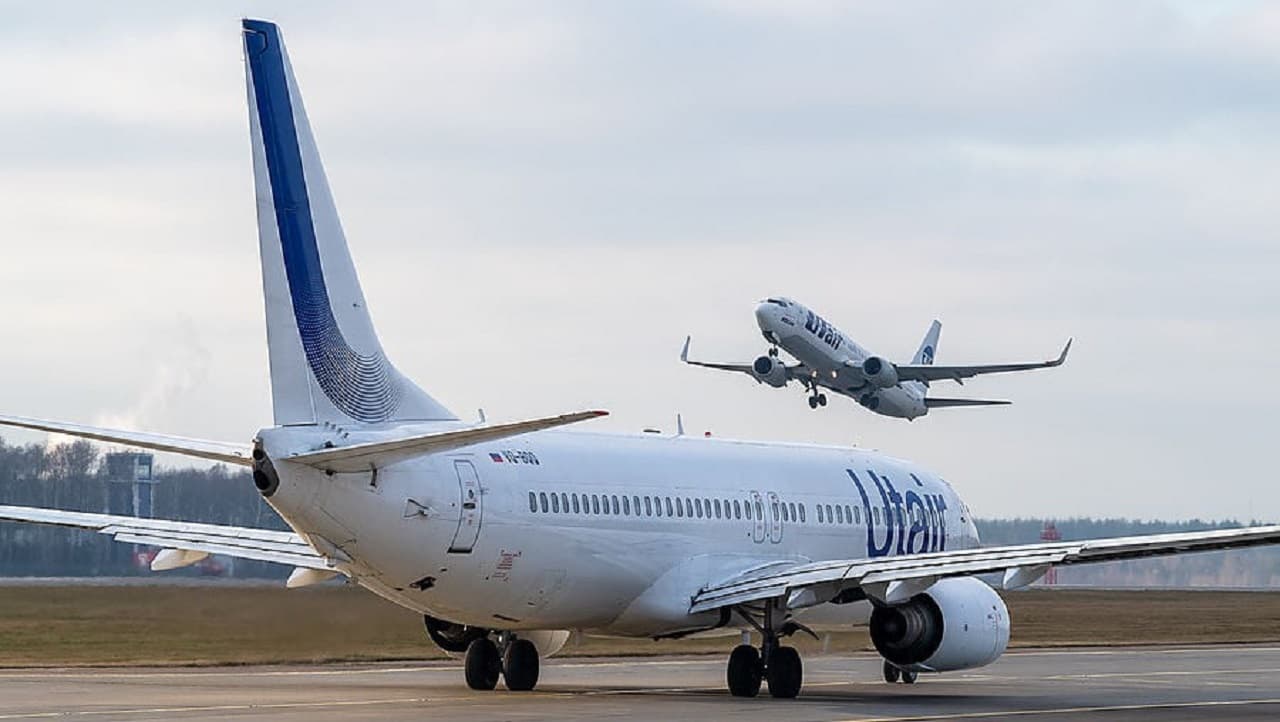
**The resilience of Russia's commercial aviation fleet**
Since the imposition of Western sanctions in 2022 following the invasion of Ukraine, many analysts predicted that Russia's fleet of Boeing and Airbus aircraft would be grounded within months. Yet, as of late 2026, approximately 460 Western-built aircraft remain in service, with domestic seat capacity even exceeding pre-war levels on some holiday periods. This resilience is not accidental—it is the result of a sophisticated network of intermediaries, shell companies, and third-country transshipment hubs that keep spare parts flowing into Russia.
**How the shadow supply chain works**
A typical case, reported by Bloomberg, involves a Luxembourg-based parts trader, Vallair Asset Solutions, which sold two used engines stored in Canada to an Indian company, Marine Equipments Centre, based in Kochi. The transaction appeared routine, with India as the stated destination. However, the engines eventually reached Rossiya Airlines, one of Russia's largest carriers. The Indian firm's director, Ajay Kumar, later stated that his company was not fully aware of the repercussions and has since ceased Russian business on advice from Indian authorities. This example illustrates a broader pattern: parts—ranging from engines and landing gear to control units and even cabin coffee machines—enter Russia via India, Turkey, the United Arab Emirates, and Kazakhstan. Serial numbers sometimes allow investigators to trace the journey from Western suppliers to Russian airlines.
**Why this matters for ATPL and ATC students**
For future pilots and air traffic controllers, this situation raises critical questions about airworthiness and safety. Aircraft maintained with unapproved or counterfeit parts may not meet original manufacturer specifications, potentially leading to in-flight failures. ATPL candidates must understand that regulatory compliance (EASA, FAA) is not just bureaucratic—it directly affects the mechanical reliability of the aircraft they will fly. ATC students should be aware that aircraft operating under such conditions may have reduced performance or system limitations that could affect separation and emergency procedures.
**The limits of the circumvention strategy**
Both Boeing and Airbus insist they comply fully with sanctions and do not supply parts or technical support to Russia. A spokesperson for Airbus stated, "There is no legal way for genuine aircraft parts to reach Russian airlines." Nevertheless, the flow continues. Western companies face civil or criminal penalties even if they are unaware of the final destination, as "willful blindness" is not a valid defense. Several firms have tightened controls after being alerted. However, experts warn that this system is not sustainable long-term. Newer models like the A320neo are increasingly grounded. Russia is developing its own maintenance capabilities and attempting to certify local parts, but Western aircraft remain dependent on original components. Oleksandr Laneckij, an aviation consultant based in Lithuania, summarized the situation: "All predictions that Russian aircraft would be grounded in two or three months were based on a poor assessment of the situation." The cat-and-mouse game between sanctions and adaptations raises serious questions about the effectiveness of Western measures and, more importantly, about aviation safety risks for passengers and crews alike.