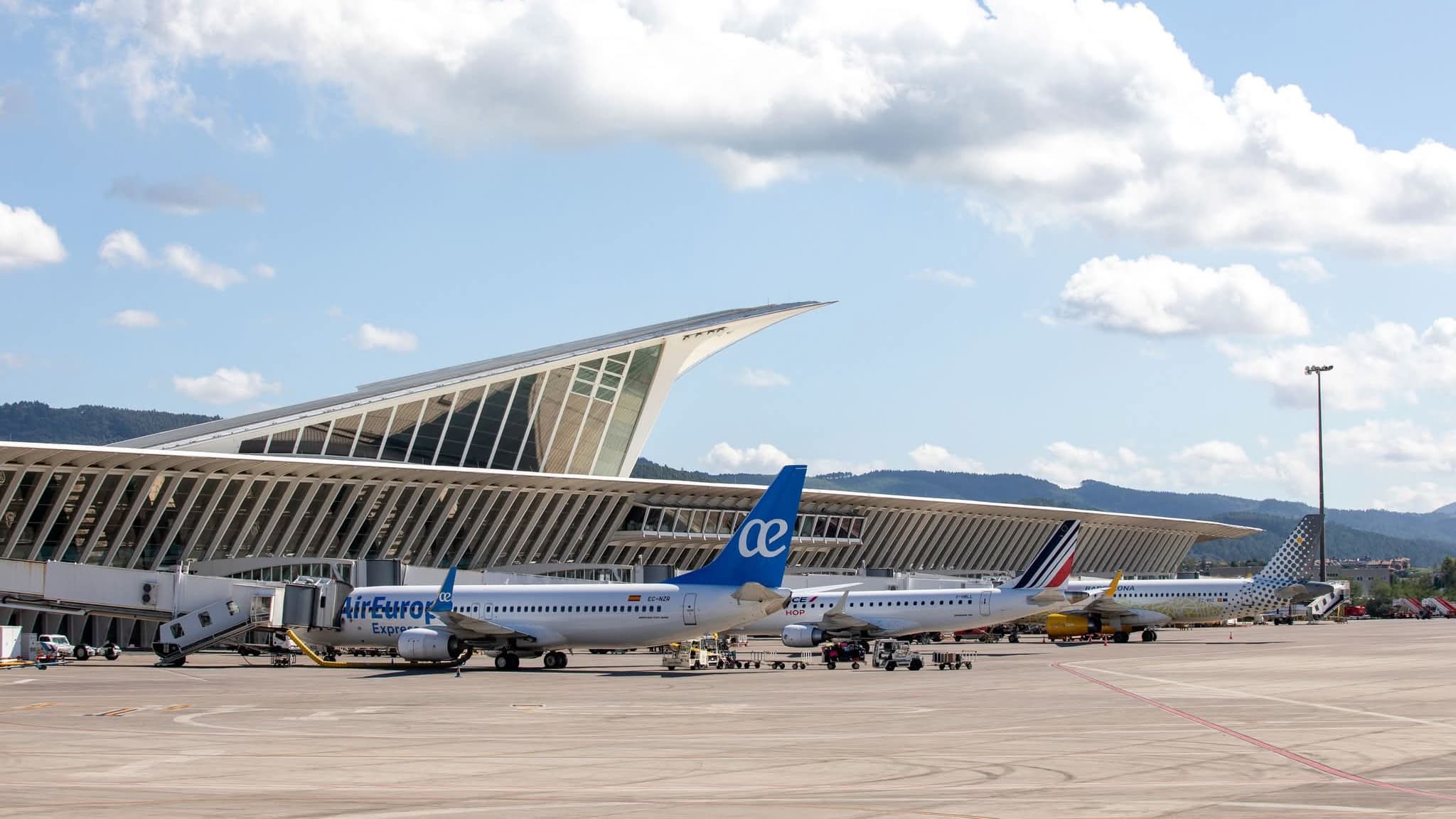
Air Europa has emerged as one of Europe's most advanced airlines in carbon reduction, cutting emissions by 23.58% compared to its 2015 baseline and targeting a 30% reduction by 2030. According to aviation data provider Cirium, this progress is not the result of a single breakthrough but of a patient, data-driven strategy centered on measurement, operations, and fleet renewal.
**Measurement first, ambition later**
Cirium's analysis highlights that Air Europa's transition began not with bold declarations but with a massive investment in measuring its emissions. The Spanish carrier first built a robust data infrastructure to track its carbon footprint flight by flight before setting quantified targets and deploying operational actions. "Before improving operational performance, you need to trust the data and share the same definition of what 'doing well' means," explains Rosa Nordfeldt, Air Europa's director of sustainability, as quoted by Cirium. "Once measurement matured, ambition came naturally, and that ambition then translated into operational practices."
**Emissions as an operational language**
A distinctive feature of Air Europa's program is integrating environmental performance into the daily work of flight and operations teams. Cirium notes that emissions are not treated as a separate topic but as an additional dimension of discussions on fuel efficiency, route planning, and flight performance. "Pilots and operations teams already work in a very data-driven environment, so emissions became a performance dimension they can influence directly, rather than an external corporate goal," Nordfeldt adds. This approach makes teams closest to fuel consumption feel responsible for carbon results, turning sustainability targets into everyday decisions.
**Fleet renewal and operational discipline**
Air Europa operates two network profiles: a competitive short- and medium-haul European network and a long-haul transatlantic network to Latin America, where fleet and route choices heavily impact emissions. On long-haul, the transition to the Boeing 787 Dreamliner has delivered significant efficiency gains across the Atlantic. On European routes, the gradual replacement of Boeing 737 Next Generation aircraft with 737 MAX models brings comparable improvements. However, Cirium stresses that "fleet renewal is not the whole answer." "The fleet offers potential, but it is how these aircraft are operated daily that turns that potential into measurable carbon performance," Nordfeldt summarizes. Route planning, flight procedures, adherence to fuel-saving guidelines, and consistency of application all play a role.
**Regulatory alignment and SAF**
The European regulatory environment now pushes in the same direction as Air Europa's internal efforts. Cirium notes that the ReFuelEU Aviation regulation aims to reduce "tankering"—the practice of loading extra fuel at one airport to avoid buying it at another, at the cost of extra weight and emissions. The rule requires airlines to uplift at least 90% of their annual fuel needs at each departure airport within the EU, limiting unnecessary loads. For Air Europa, this framework reinforces practices already in place. On sustainable aviation fuel (SAF), Cirium describes a cautious stance: Air Europa sees SAF as essential for long-term decarbonization but not as an immediate silver bullet. The airline expects most gains before 2030 to come from operational efficiency and fleet renewal, with SAF's role growing as supply develops.
**A realistic 2030 target**
Air Europa aims for a 30% reduction by 2030 versus 2015 and has already achieved 23.58%. The gap to close in four years is significant, but Cirium believes the carrier has the foundations—measurement, operational integration, and a modernized fleet—to reach it. The trajectory illustrates how environmental ambition translates into concrete results: first measurement, then integration into operations, and finally disciplined practice over time.