**A Strategic Milestone for Global Aviation**
On May 27, 2026, Hong Kong International Airport (HKIA) will inaugurate the departure facilities of its new Terminal 2 (T2), a cornerstone of the HK$141.5 billion (US$18 billion) three-runway system modernization program. Designed primarily for leisure travel, T2 will eventually handle up to 30 million passengers per year, reinforcing Hong Kong's position as a leading global hub amid intensifying competition in the Asia-Pacific region. For ATPL and ATC students, this development offers a real-world case study in airport capacity planning, operational efficiency, and the integration of automated systems—all critical topics in modern aviation training.
**Operational Impact and Capacity Boost**
The T2 expansion is part of a broader effort to increase HKIA's total capacity to 120 million passengers and 10 million tonnes of cargo annually, up from the pre-pandemic peak of 70 million passengers. In 2025, the airport already handled 61 million travelers, demonstrating a strong recovery. The new terminal will initially serve 8 million passengers in its first year, ramping up to 30 million once fully operational. This phased approach is a classic example of capacity management that ATPL students will study in airport planning modules. For ATC trainees, the integration of a new terminal into an existing airside and landside network presents complex coordination challenges, from taxiway routing to passenger flow management.
**Automation and Passenger Experience**
Spanning 300,000 square meters, T2 features a highly automated passenger journey, including 108 assisted check-in counters, 58 smart kiosks for self-check-in and bag tagging, and 68 automated bag drop units with ultra-low platforms for easy luggage handling. After check-in, passengers will travel via an automated people mover to Terminal 1 gates in just two to three minutes. This level of automation is increasingly relevant to ATPL students, who must understand how technology reshapes airport operations and passenger expectations. ATC students, meanwhile, will note the importance of real-time data integration for managing transfer connections and minimizing delays—a key performance indicator in modern air traffic management.
**Low-Cost Carriers Take Center Stage**
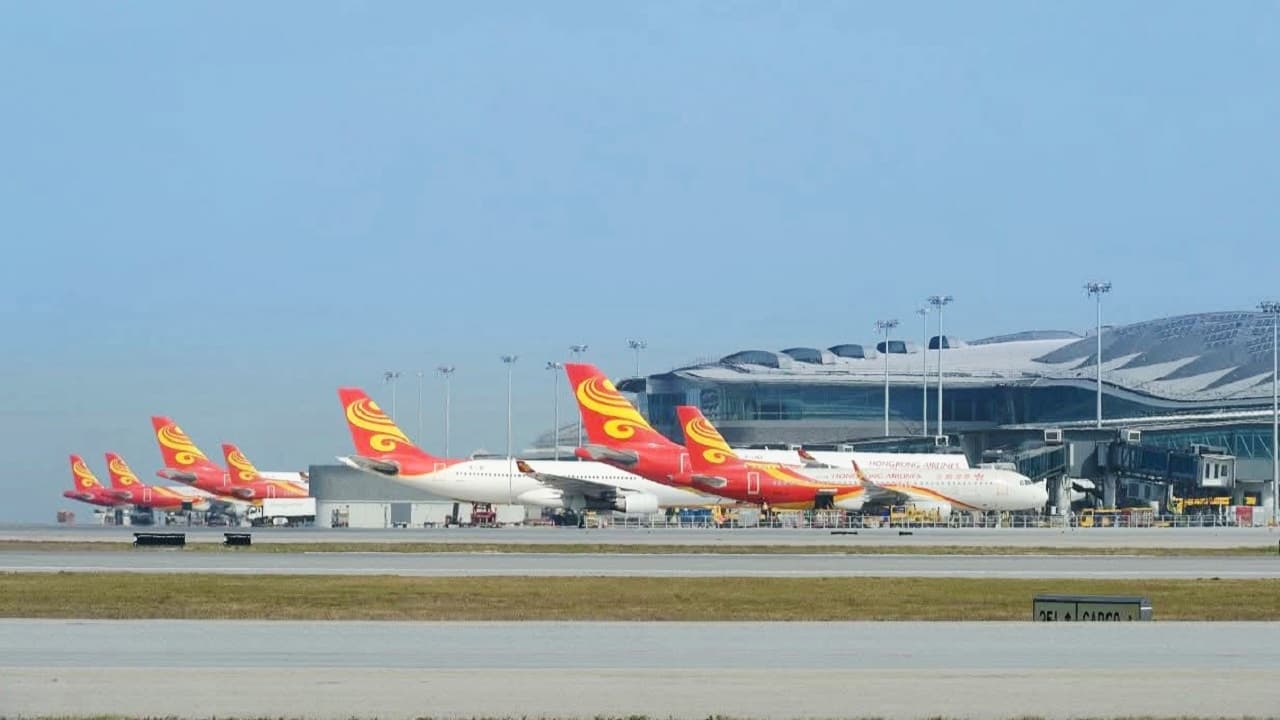
Initially, 15 airlines—mostly low-cost and regional carriers such as Hong Kong Airlines, HK Express, AirAsia, and IndiGo—will relocate their check-in operations to T2 between May 27 and June 10, 2026. This strategic move frees up capacity at Terminal 1 for long-haul and full-service carriers, reflecting a global trend toward segregating traffic by business model. For ATPL students, this illustrates how airport design influences airline network strategies and slot allocation. ATC students can analyze how such segregation affects traffic distribution, runway utilization, and ground handling efficiency.
**Conclusion: A Teaching Moment for Aviation Professionals**
Hong Kong's T2 is more than an infrastructure project; it is a living laboratory for the principles taught in ATPL and ATC curricula. From automated baggage systems to hub-and-spoke dynamics, the terminal embodies the future of aviation. As students prepare for careers in a rapidly evolving industry, understanding such developments is essential for operational excellence and strategic thinking.