**A symbolic shift in European aviation**
For the first time, Istanbul Airport has surpassed London Heathrow in monthly passenger numbers. In July 2026, the Turkish hub welcomed 8,146,411 passengers, including 6.33 million on international routes and 1.82 million on domestic flights. Heathrow, long the benchmark for European international traffic, recorded 7.859 million passengers, a 1.5% drop compared to July 2025. The gap of nearly 287,500 passengers marks a milestone in the rise of the mega-hub that opened in 2018 on the European side of Istanbul.
This monthly victory does not yet change the annual ranking—Heathrow still leads with 47.854 million passengers from January to July, nearly stable year-on-year (-0.1%). However, it underscores the structural challenges facing the London airport. Operating at maximum capacity with two runways, Heathrow saw its Middle East traffic plummet by 20.2% in July, while Asia-Pacific flows grew by 4.3%. The airport also recorded its busiest day of the year on July 19, with 267,000 passengers, yet managed to keep 98.5% of security wait times under five minutes.
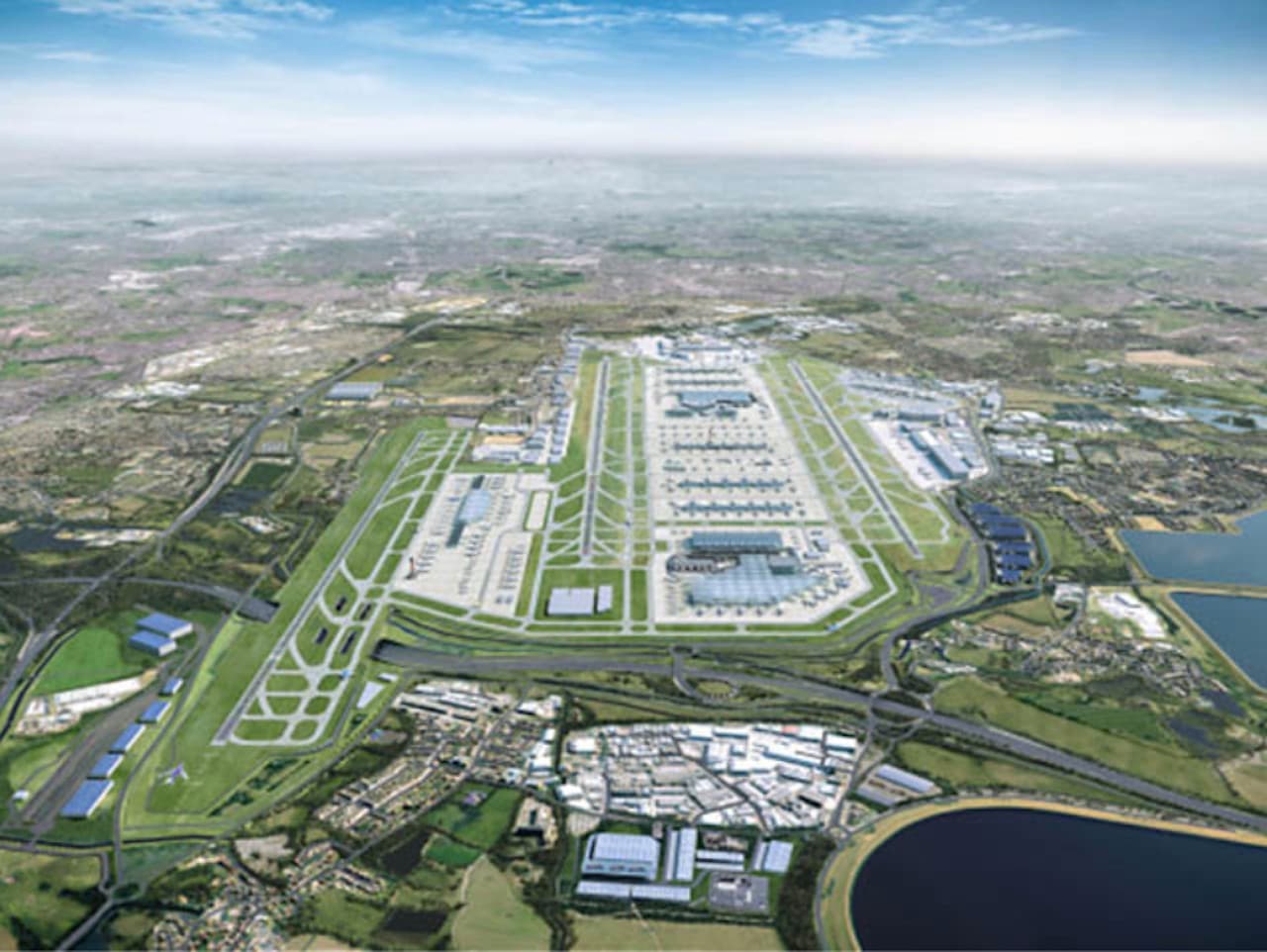
**Heathrow's response: the third runway**
For Heathrow's management, Istanbul's rise strengthens the case for expansion. CEO Thomas Woldbye argues that without new infrastructure, the airport cannot open new routes or accommodate new airlines. Recent additions like ITA Airways, Alaska Airlines, and Riyadh Air brought over 136,000 passengers in July, but the physical limit of two runways remains a barrier. The UK government published a study in June on the economic benefits of a third runway, but final approval is still pending amid concerns over financing, noise, air quality, and climate.
**Istanbul's operational records**
Istanbul Airport continues to break records. On August 9, it handled 289,732 passengers in a single day, a new daily record for Turkey and Europe, surpassing the previous high of 289,260 set a week earlier. The airport currently has an annual capacity of 90 million passengers, with plans to expand to 200 million in future phases. This contrasts sharply with Heathrow's constrained two-runway setup.
**Cargo: Heathrow's stronghold**
Despite losing the passenger crown, Heathrow remains a cargo powerhouse. On July 12, it processed 5,000 tonnes of freight, its best daily performance of 2026. Monthly volumes rose 2%, driven by demand from South Asia and North America, totaling 136,623 tonnes. The duel between the two hubs thus spans multiple fronts: passenger numbers, network depth, slot access, and the ability to capture intercontinental connections.