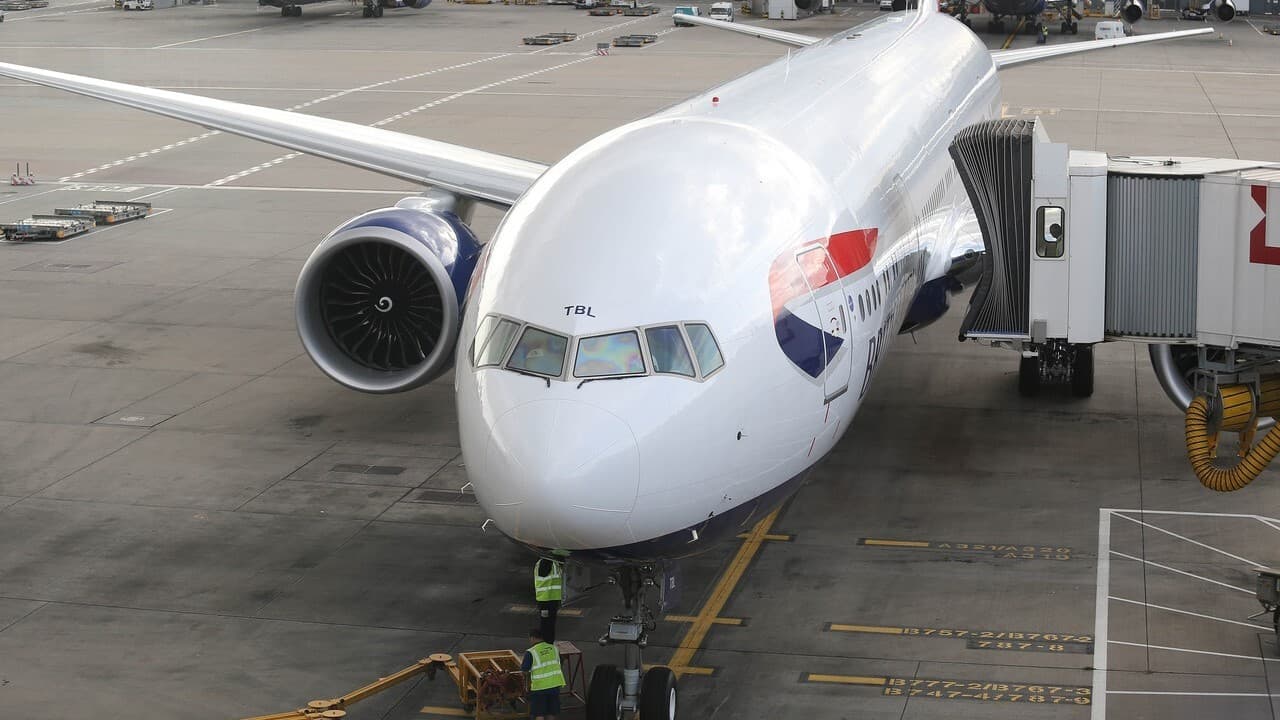
A routine ground operation at London Heathrow turned into a costly lesson for British Airways last weekend. A Boeing 787-8 Dreamliner, scheduled to operate flight BA299 to Chicago O'Hare, sustained minor structural damage when it settled onto a maintenance platform during fueling. The aircraft's weight increased as fuel was loaded, causing it to sink slightly and trap the platform beneath the fuselage. The incident forced the cancellation of both the outbound and return flights, affecting nearly 480 passengers.
For ATPL and ATC trainees, this event is a textbook example of how ground handling procedures directly impact flight operations and airline economics. The 787's composite fuselage is designed to be lightweight, but it also means that ground equipment positioning must be precise. Any misalignment between a maintenance stand and the aircraft's belly can lead to damage when the aircraft's weight shifts during fueling. This is a critical point for pilots to understand: even before takeoff, the aircraft's structural integrity depends on careful coordination between ground crews and flight dispatchers.
The financial repercussions are significant. Under UK261 (the British equivalent of EU Regulation 261/2004), passengers on long-haul flights canceled at short notice are entitled to fixed compensation of up to £520 per person, plus hotel accommodation and rebooking costs. With an estimated 240 passengers on each leg, the total compensation bill could reach £250,000 (approximately €290,000). This does not include the cost of aircraft inspection, repair, and lost revenue from the grounded 787. For an airline, such incidents highlight the importance of robust ground safety protocols and the need for clear communication between maintenance teams and fueling crews.
From an ATC perspective, the cancellation of a major transatlantic flight like BA299 creates ripple effects: slot coordination at Heathrow, rebooking passengers onto other carriers, and potential delays for subsequent flights. Controllers must manage the sudden loss of a departure slot and adjust traffic flows accordingly. For pilots, understanding the legal framework of passenger rights (EC261/UK261) is essential, as they are often the first point of contact for frustrated travelers. Knowing the rules helps them explain delays and compensation options accurately.
British Airways has emphasized that safety remains its top priority and that the aircraft will undergo a thorough inspection before returning to service. While the damage is described as minor, the incident serves as a reminder that ground operations are just as critical as in-flight procedures. For students studying for their ATPL or ATC exams, this case study reinforces the importance of human factors, procedural compliance, and the financial consequences of operational errors. It also underscores why airlines invest heavily in training ground staff and why pilots must be vigilant about pre-flight inspections, even when the aircraft is still on the tarmac.