**Why Ground Crews Matter for ATPL and ATC Students**
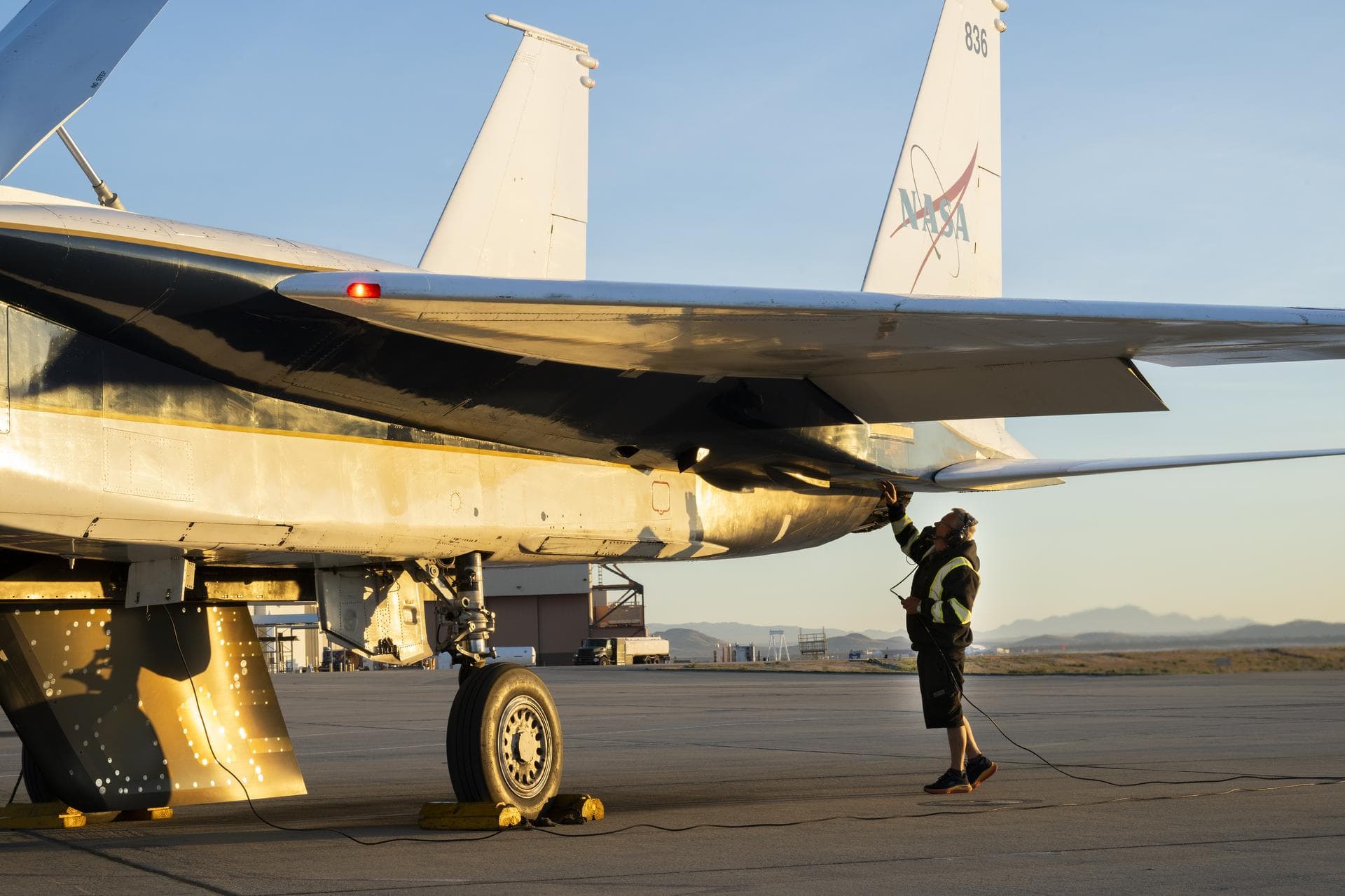
When you think of aviation, pilots and air traffic controllers often come to mind first. But behind every successful flight is a dedicated ground crew ensuring the aircraft is safe, serviced, and ready for mission. NASA's recent feature on its Armstrong Flight Research Center highlights the vital work of these teams, who maintain a diverse fleet including F-15s, a Pilatus PC-12, ER-2s, and the X-59. For ATPL and ATC students, understanding this ground-level operation is crucial—it directly impacts flight safety, scheduling, and communication.
**The Maintenance Ecosystem at NASA Armstrong**
NASA's ground crews are composed of crew chiefs, avionics technicians, quality assurance personnel, and mechanics. Each role is specialized: crew chiefs oversee the entire aircraft, avionics technicians handle navigation and communication systems, and quality assurance ensures all work meets standards. This structure mirrors what you'll encounter in commercial aviation, where maintenance teams are integral to airline operations. For ATC students, knowing the maintenance status of aircraft helps in managing delays and coordinating with pilots. For ATPL students, understanding pre-flight checks and crew chief responsibilities reinforces the importance of the walk-around inspection.
**Adaptability and Continuous Training**
One key takeaway from the article is the adaptability of NASA's teams. As crew chief Jose Rodriguez notes, they handle constant changes—loading instruments, reconfiguring aircraft, or fixing systems. This requires on-the-job training and a flexible mindset. In ATPL training, you learn about aircraft systems and limitations, but real-world operations demand quick thinking when things go wrong. ATC students must also adapt to changing traffic flows and aircraft capabilities. The article emphasizes that maintenance crews track each flight to prevent early returns, a practice that reduces operational disruptions—a lesson in proactive problem-solving.
**Safety Culture and Communication**
Safety is paramount at NASA. The crew chief and pilot jointly sign off on the aircraft's airworthiness before each flight. This dual-signature system reinforces accountability and teamwork—principles that ATPL and ATC students must internalize. Effective communication between ground crews, pilots, and ATC is essential for safe operations. For example, if an aircraft returns early, the maintenance team is ready to troubleshoot, ensuring minimal downtime. This seamless coordination is a model for how all aviation professionals should work together.
**Conclusion: Lessons for Your Aviation Career**
Whether you're training to be an ATPL pilot or an ATC, the work of NASA's ground crews offers valuable insights. From understanding maintenance workflows to appreciating the human factors behind flight readiness, these lessons will make you a more informed and safer professional. The next time you see a ground crew at work, remember—they are the backbone of every flight.