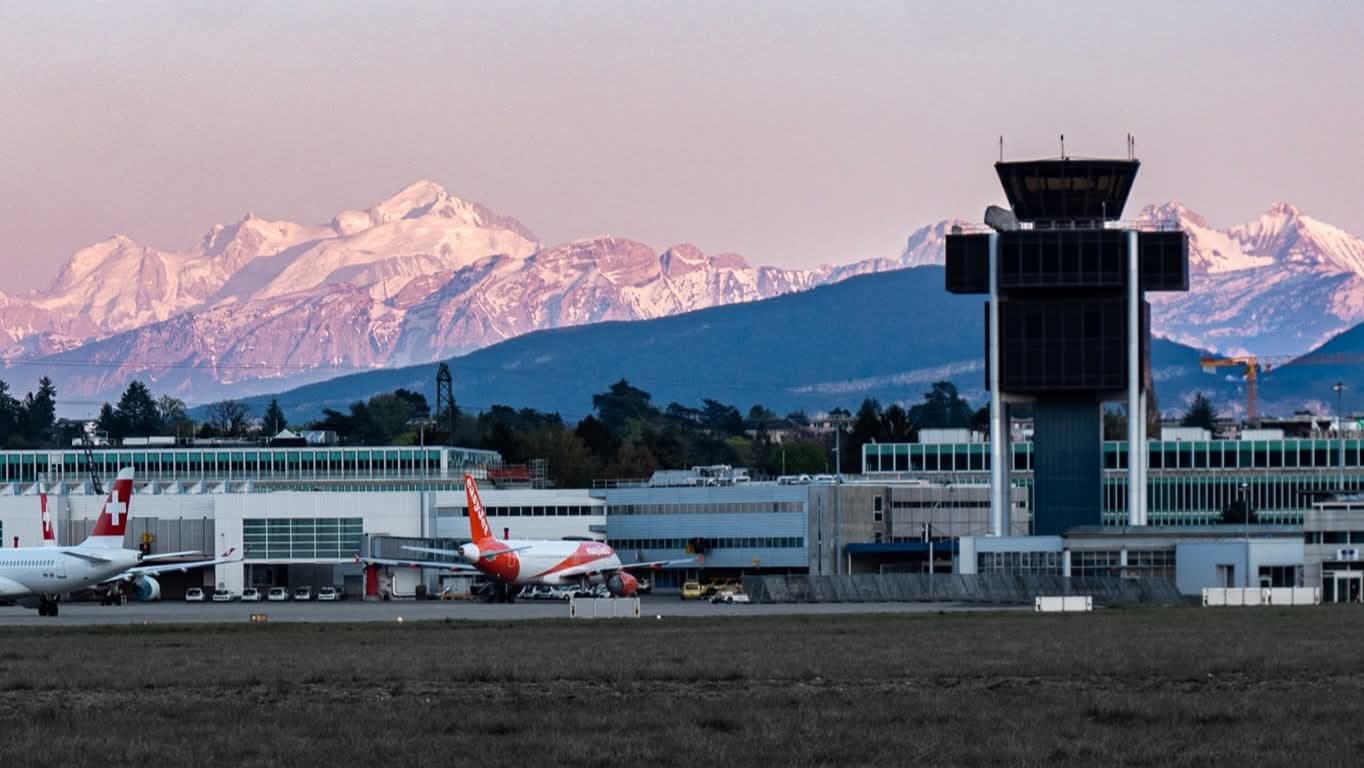
On May 28, 2026, Geneva Airport unveiled a complete overhaul of its website, now designed as a personalized travel assistant. The goal is to streamline the passenger journey through real-time information and features inspired by current digital habits. This move aligns with a broader industry trend where airports leverage artificial intelligence to enhance operational efficiency and customer satisfaction.
**Personalized Passenger Experience**
At the heart of this transformation is end-to-end personalization. By entering their flight details, travelers receive tailored guidance throughout their airport visit. The site acts as a personal assistant, providing the recommended arrival time, best transport options, real-time flight tracking, gate information, estimated walking times, and even dining suggestions along the way. This proactive approach reduces stress and improves the overall travel experience—a key focus for modern airports.
**Real-Time Data Integration**
Another major innovation is the integration of real-time operational data. Passengers can now check parking availability, security wait times, and terminal congestion levels. Flight notifications can be sent via WhatsApp or Messenger, ensuring continuous updates. The airport aims to "reduce waiting times and minimize stress," offering a smoother experience. This mirrors developments at major European hubs like Paris-CDG, Amsterdam-Schiphol, and Zurich, which are also investing in predictive and personalized tools.
**E-Commerce and Ancillary Revenue**
The new site also features a strengthened commercial dimension. A personal dashboard allows users to centralize reservations and preferences. The priority lane service has been optimized: it can now be booked up to two hours before departure and is directly integrated into the boarding pass. This reflects a global trend where airports develop digital services to generate ancillary revenue amid intense competition and margin pressure.
**Implications for ATPL and ATC Students**
For ATPL and ATC students, this digital transformation is more than just a passenger convenience. Understanding how real-time data flows between aircraft, airport systems, and passengers is crucial for future pilots and controllers. The integration of AI in airport operations affects flight planning, ground handling coordination, and situational awareness. Students should grasp how such systems optimize traffic flow, reduce delays, and enhance safety—skills directly applicable to their future roles in aviation management and operations.