**Industry Context: Why This Matters for ATPL and ATC Students**
For aspiring airline pilots and air traffic controllers, understanding how airlines respond to external shocks—like fuel price spikes—is critical. This article from Air Journal highlights a real-world case where two carriers, Air Caraïbes and French bee (both part of the Dubreuil Aéro group), are proactively managing operational and commercial risks for summer 2026. As an ATPL student, you will encounter similar strategic decisions in your future career: fleet planning, fuel hedging, and capacity management directly affect your daily operations. For ATC trainees, knowing which routes and frequencies are confirmed helps anticipate traffic flows and potential congestion, especially on high-density long-haul sectors like Paris-Orly to the Caribbean or French Polynesia.
**Full Summer 2026 Schedule Confirmed**
Air Caraïbes and French bee have announced that their entire long-haul summer 2026 program from Paris-Orly is guaranteed, despite what they describe as an "oil shock" that has led other carriers to reduce capacity or adjust pricing. Air Caraïbes will operate up to 17 weekly flights to Pointe-à-Pitre, 16 to Fort-de-France, and 8 to Cayenne, plus services to Cancún, Punta Cana, Saint-Martin, and the Bahamas. French bee maintains its key routes to La Réunion, Tahiti (via San Francisco), New York Newark, Miami, San Francisco, Los Angeles, and Montréal, with a smooth transition between winter 2025-2026 and summer schedules. This commitment is especially significant for ATPL students studying route planning and fleet utilization: the ability to lock in a full season's schedule requires robust fuel supply chains and efficient aircraft—both topics covered in ATPL performance and operations modules.
**Fuel Supply Secured for Peak Season**
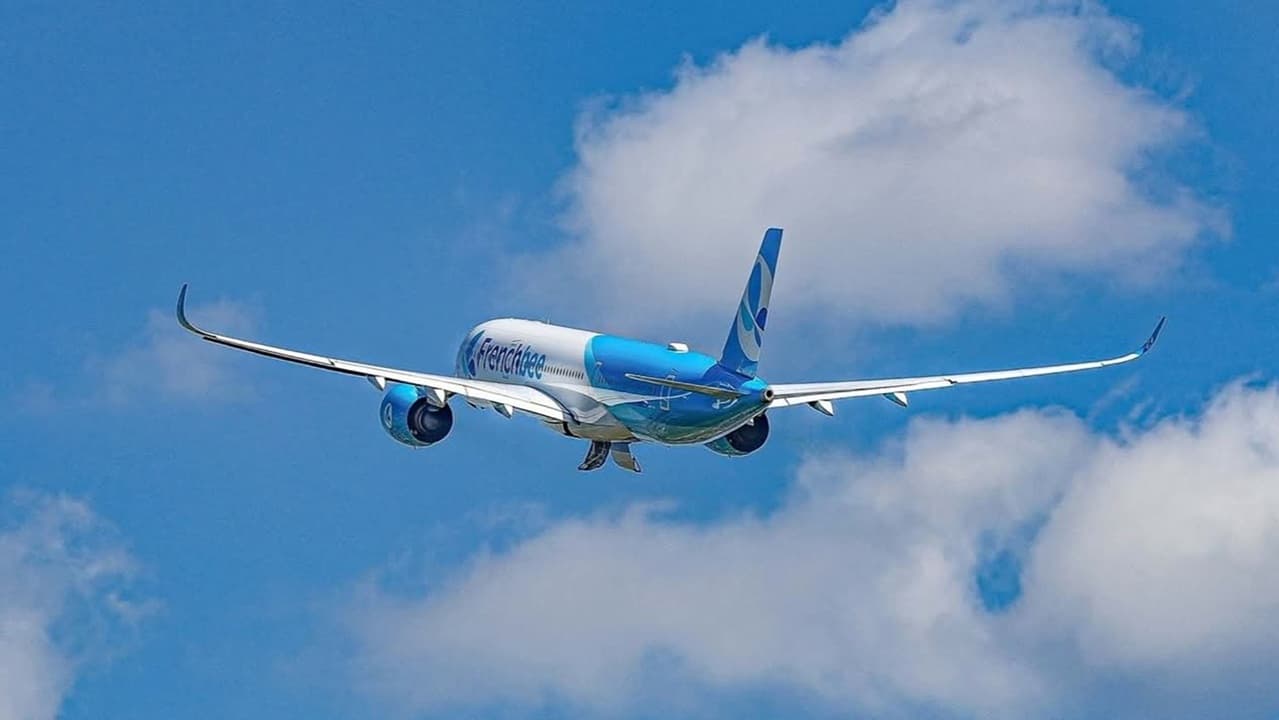
Both airlines emphasize that they have secured their kerosene supply chain across all destinations, from the Antilles to Réunion and North America to Polynesia. This is a direct response to European majors raising fuel surcharges and warning of possible capacity cuts. The Dubreuil Aéro group has modernized its fleet: Air Caraïbes operates Airbus A350 XWB, A330, and ATR 72-600 aircraft, while French bee runs an all-A350 fleet—one of the most fuel-efficient long-haul fleets per passenger. For ATC students, understanding fuel management is part of flight planning and environmental impact discussions. For ATPL candidates, this case illustrates how fleet modernization reduces operating costs and emissions, a key topic in the ATPL syllabus under aircraft performance and environmental protection.
**Limited-Time Fee-Free Change Campaign**
From June 4 to June 17, 2026, both airlines offer a "modification sans frais" (fee-free change) campaign for tickets purchased during that period, covering travel from July 5, 2026, to March 27, 2027. The first date or flight change is free, subject to any fare difference if the new flight is more expensive. This applies to all fare classes and cabins—economy, premium, and business—making it attractive for families, corporate travel, and overseas residents. For ATPL students, this commercial flexibility is a reminder that airline revenue management and customer service strategies directly impact load factors and operational planning. ATC trainees may note that such campaigns can lead to sudden shifts in demand, affecting slot coordination and traffic distribution.
**Competitive and Regulatory Context**
Air Caraïbes and French bee are not alone: Air France-KLM has also announced fee-free changes for summer 2026. The Dubreuil group has acknowledged adjusting long-haul pricing due to the oil shock while aiming to keep overseas territories accessible. For ATPL and ATC students, this competitive landscape is a practical example of how airlines balance cost pressures with customer retention—a theme that will recur in your studies of aviation economics and regulation.